Do you include the spread in your plan before you enter, or only after?
The spread is the difference between the buy and sell price, and every trade starts with a small cost. On a short trade with a tight target, the spread can be a large share of the expected gain. Spreads also widen at some times, such as around releases. Negative balance protection and client money covers another broker term worth checking when you compare costs and protections, because the cheapest quote is not always the safest account.
Members who include the spread in the plan before they enter usually set the target and the stop with the cost already in the numbers. The alternative is to find out after the trade that the target was smaller than the cost. Comparing spreads between brokers works best on the same pair, at the same time of day, with the same account type, and a single quoted number rarely tells the whole story.
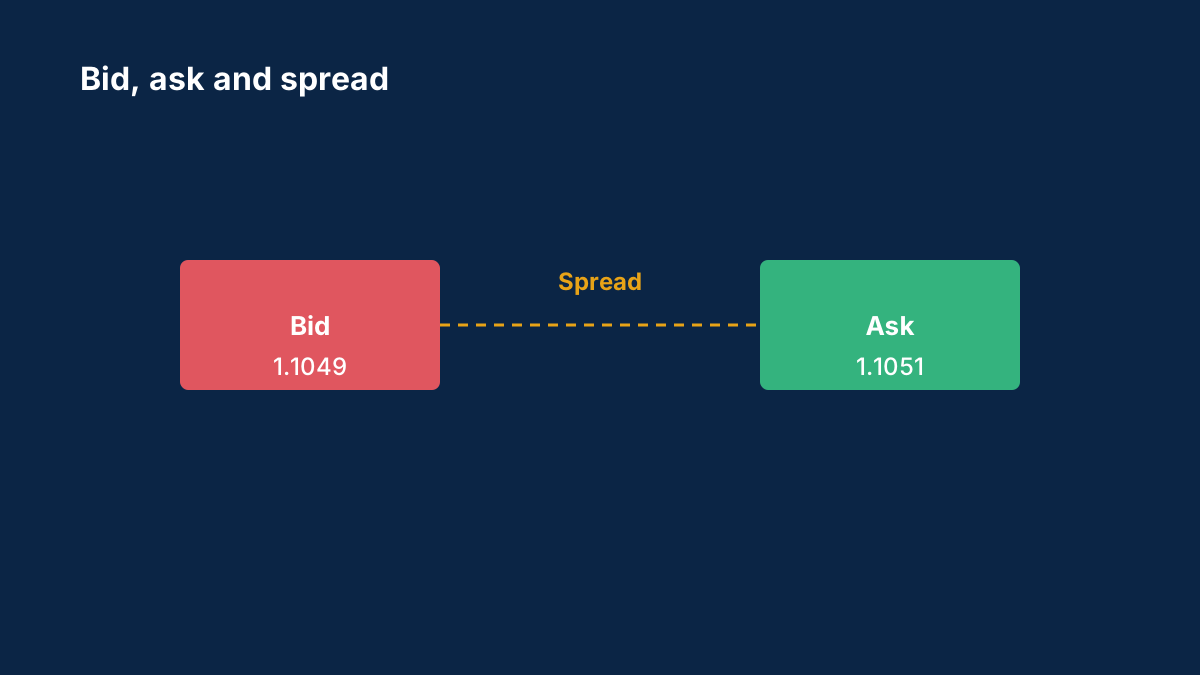
We would like to hear your habit:
- Do you add the spread to your target and stop before you enter?
- Have you seen a spread widen enough to change a trade? What did you do?
- Which pair or time of day gives you the widest spreads?
- How do you compare spreads between brokers without being misled by one number?
Please share your own approach and reasoning, not calls for others to copy. Posts that promise a direction or sell signals will be removed.
Comments
Log in to join the discussion. Comments follow the community guidelines.
Log in to commentLoading comments…