Do you track swap fees on overnight positions, or only the price move?
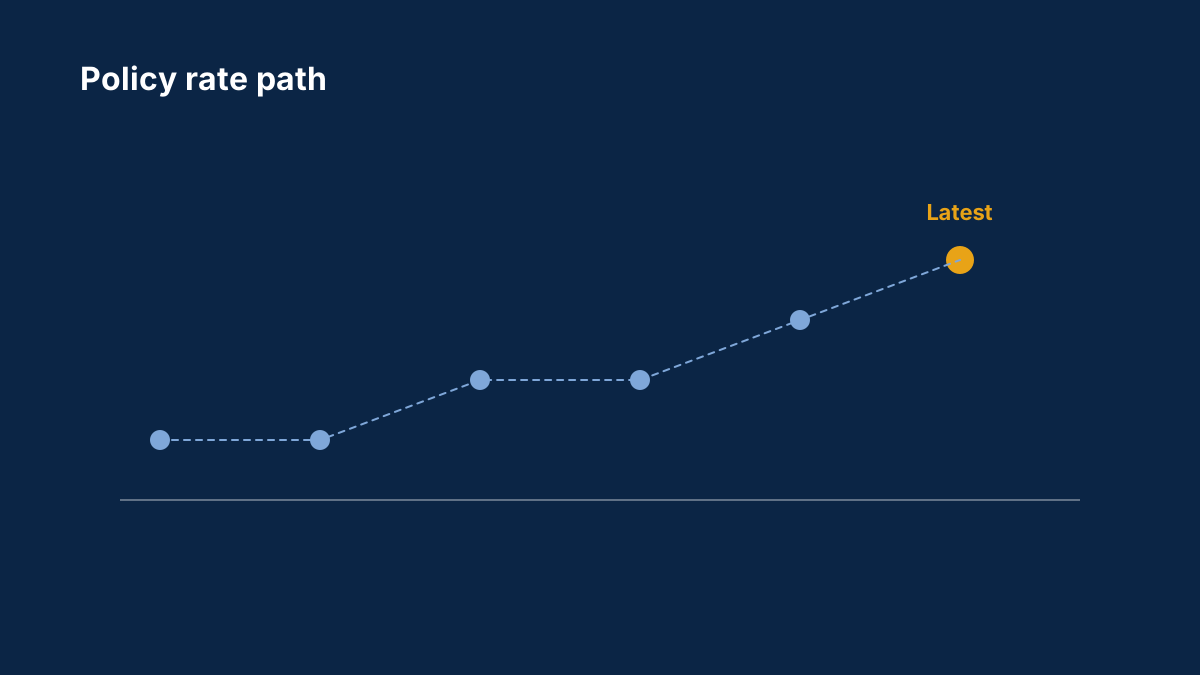
Holding a position overnight can add or subtract a swap fee, which depends on the interest rates of the two currencies and on the broker's terms. Over several days, swaps can change the result of a trade noticeably. Carry trade explained explains how the rate gap feeds into the swap a trader pays or earns, which is the mechanism behind the daily figure on your statement.
Swaps are easy to forget because they are charged in the background. Members who track them tend to include the daily figure in the trade plan, so a position held for a week is judged on its full cost. The sign of the swap can also depend on the direction of the trade, which is worth checking in your broker's terms before you hold a position through a rate decision.
We would like to hear how you handle it:
- Do you include swaps when you calculate the result of a trade?
- Which broker or account type had the most surprising swap charges for you?
- How do swaps change your decision to hold a position over a central bank day?
- What do you check in your broker's terms before you hold overnight?
Please share your own approach and reasoning, not calls for others to copy. Posts that promise a direction or sell signals will be removed.
Background: Why carry trades unwind so violently
Carry trades earn steady yield for months and then collapse in days — and the collapse is structural, not accidental. Here is the mechanics of the unwind and why it hits every market at once.
What is a carry trade unwind?
The forced reversal of carry positions: traders sell the investment currency and buy back the funding currency, usually under margin pressure. The buying pushes the funding currency up and feeds further exits.
Why do carry trades collapse so fast?
Because the trade is crowded, and the exits feed themselves: each round of forced buying strengthens the funding currency, deepening losses and triggering the next round. The loop is self-reinforcing.
Comments
Log in to join the discussion. Comments follow the community guidelines.
Log in to commentLoading comments…