What is forward guidance, and how do traders use it?
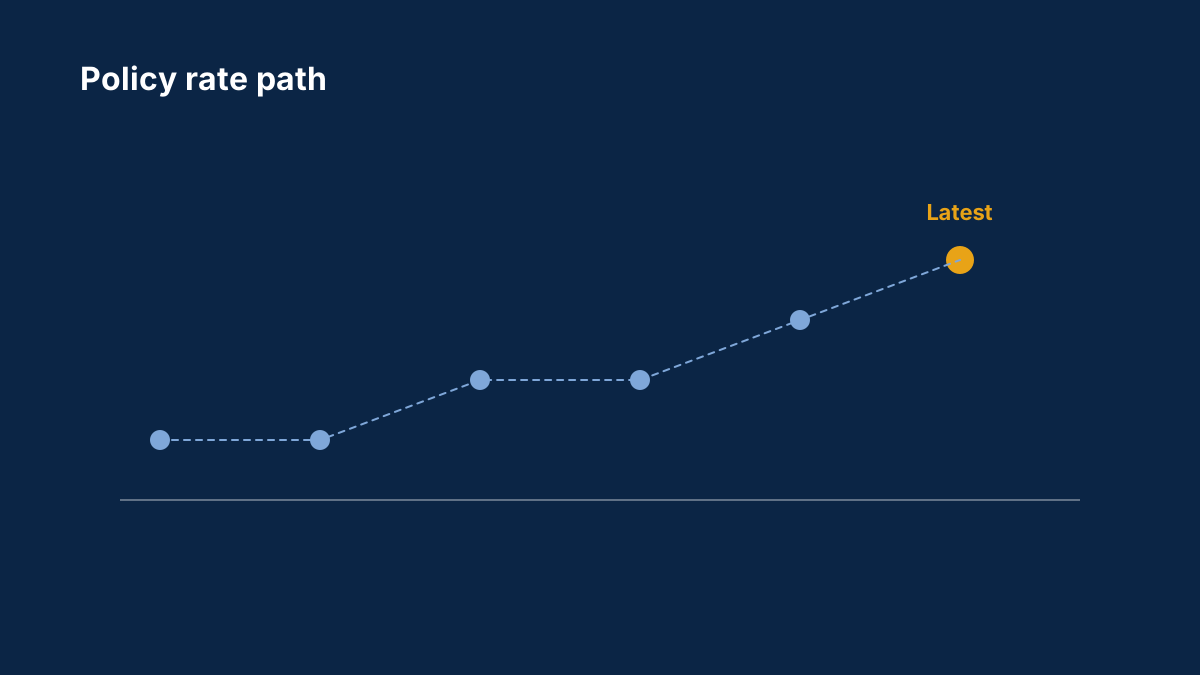
Central banks tell markets what they're likely to do next — "we expect to keep rates steady for some time" — so markets price the future in advance. By the time the decision lands, the surprise is usually small.
How do you use guidance?
- which central banks' guidance you follow
- how you track changes in the wording
- a time guidance steered you wrong
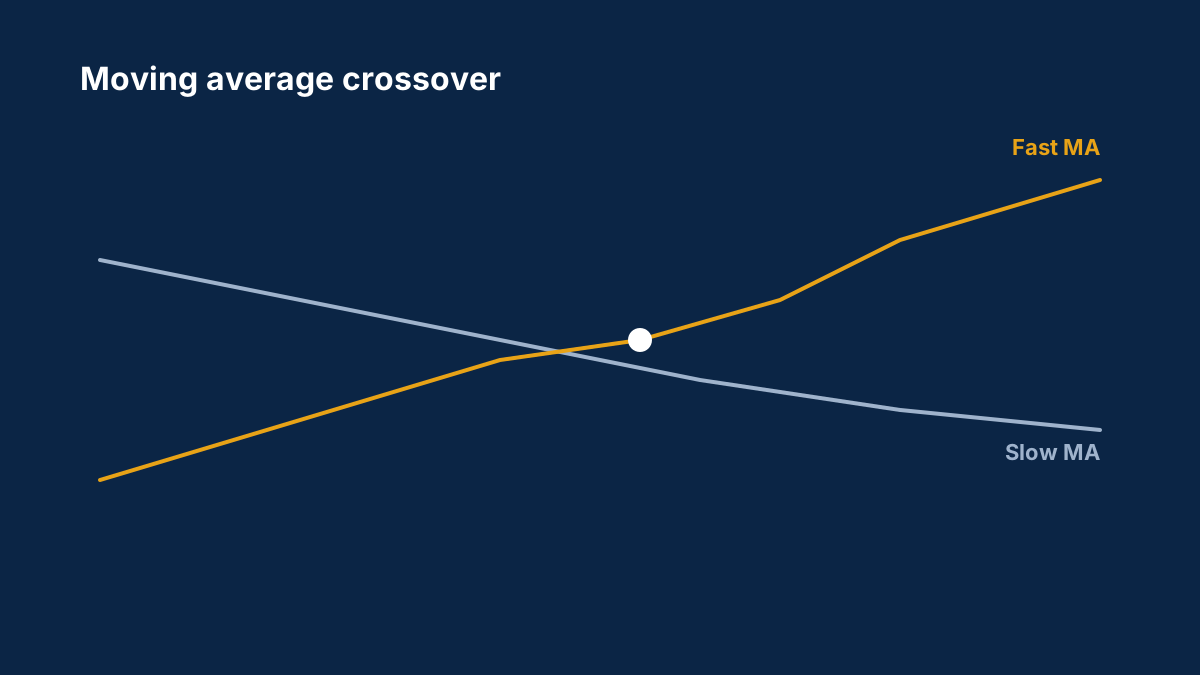
The dot plot guide is one famous form of forward guidance.
Background: What is forward guidance? How central banks steer expectations
Central banks tell markets what they are likely to do next, so the future is priced before it happens. Here is what forward guidance is, how it works, and why the guidance sometimes fails.
What is forward guidance in central banking?
A central bank's communication about its likely future policy — the intended rate path and the conditions that would change it. The guidance steers market expectations so the future is priced in advance.
Why does forward guidance move currencies?
Because currencies trade the expected rate path, and the guidance changes it. The repriced path moves bond yields and the currency, before any actual rate change happens.
Comments
Log in to join the discussion. Comments follow the community guidelines.
Log in to commentLoading comments…