What do you actually record in your trading journal?
Almost every trader agrees a journal helps. Far fewer agree on what to write in it, and fewer still keep one going for more than a few weeks.
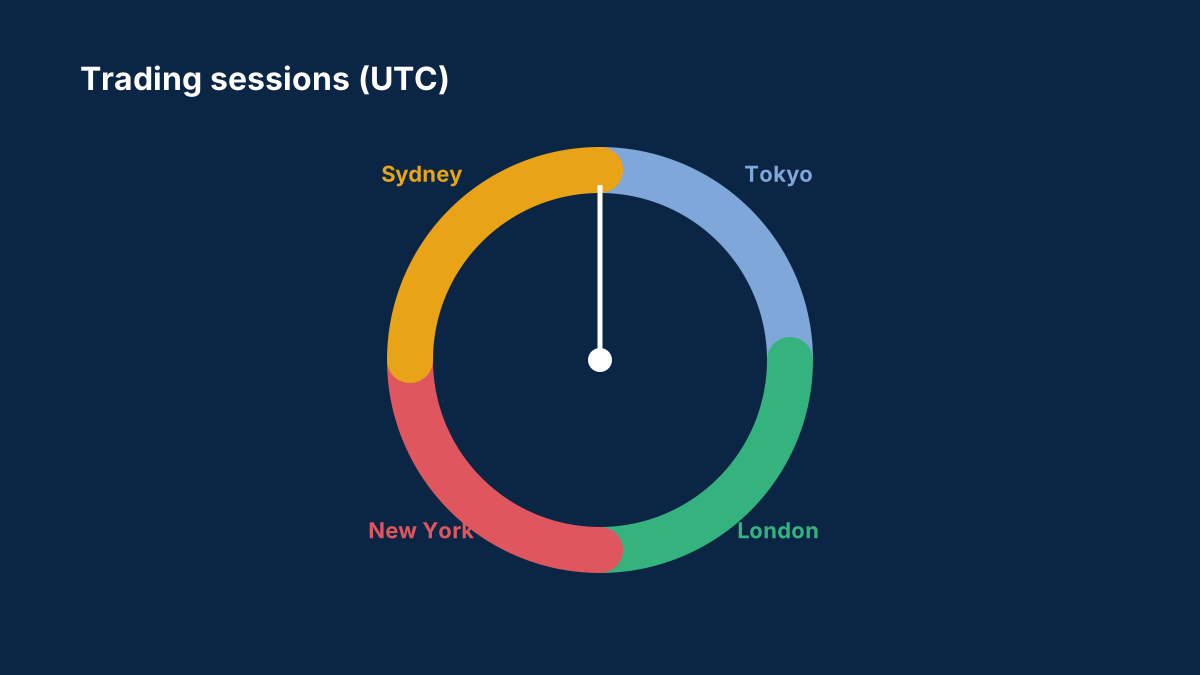
A starting template
- Date, pair, direction, entry, stop, target and position size
- Why you took the trade, written before you enter
- What the economic calendar showed for the session
- How you felt going in: calm, rushed, trying to win back a loss
- The result, and whether you followed your own plan
The part most people skip
Reviewing. A journal nobody reads is just a list. Many traders set aside time at the end of each week to look for patterns: the setups that work, the times of day that don't, and the emotional states that come before their worst trades.
What does your journal look like, and what has it taught you that you wouldn't have noticed otherwise?
Background: How to read an economic calendar: actual, forecast, previous and impact
The economic calendar tells you when markets are likely to move. Here is what each column means and how traders use it to plan the week.
What does forecast mean on an economic calendar?
The median expectation of economists surveyed before the release. Markets usually price in the forecast, so prices react to the gap between the actual figure and the forecast.
What is a high-impact event?
A release that has historically caused large price moves, such as central bank decisions, CPI inflation and the US jobs report. Spreads often widen around them.
Comments
Log in to join the discussion. Comments follow the community guidelines.
Log in to commentLoading comments…
One suggestion for anyone whose journal keeps fizzling out: record less, but record it before the trade.
A minimal version that people tend to keep up:
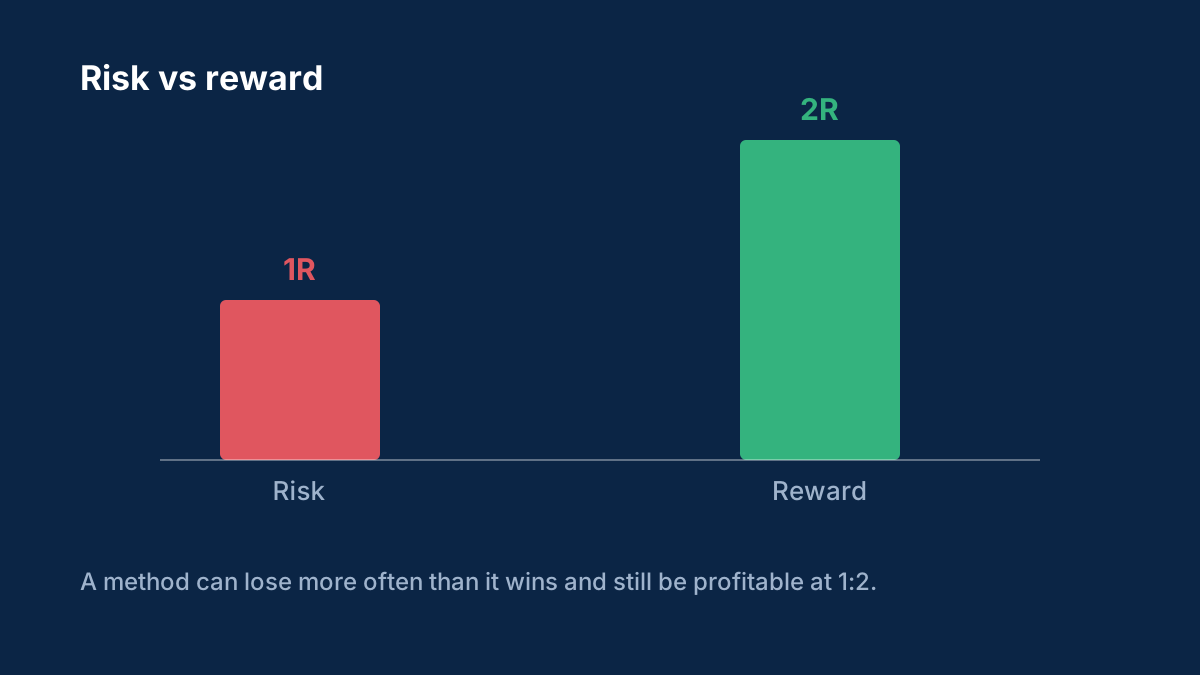
- Before entry: pair, direction, entry, stop, target, risk in R, and one sentence on why.
- After exit: result in R, and a yes or no to "did I follow my plan?"
- Once a week: sort the trades by that yes or no column and compare the averages.
That last step is where a journal pays off. Trades taken outside the plan usually look very different from the rest, and it's hard to argue with your own numbers. Adding the session (Asian, London, New York) and whether a high-impact release was due often shows a second pattern.
The trading journal guide has a fuller template. What's the one column in your journal you'd never drop?
0