Your weekly review: what do you look at first, and what do you ignore?
A weekly review gives you a chance to see how your plan worked over several trades, not just one. Members use different checklists, from a few numbers to a full write-up of each trade. How to use an economic calendar can help you plan the week ahead before you review the one that has passed, so the two reviews feed each other.
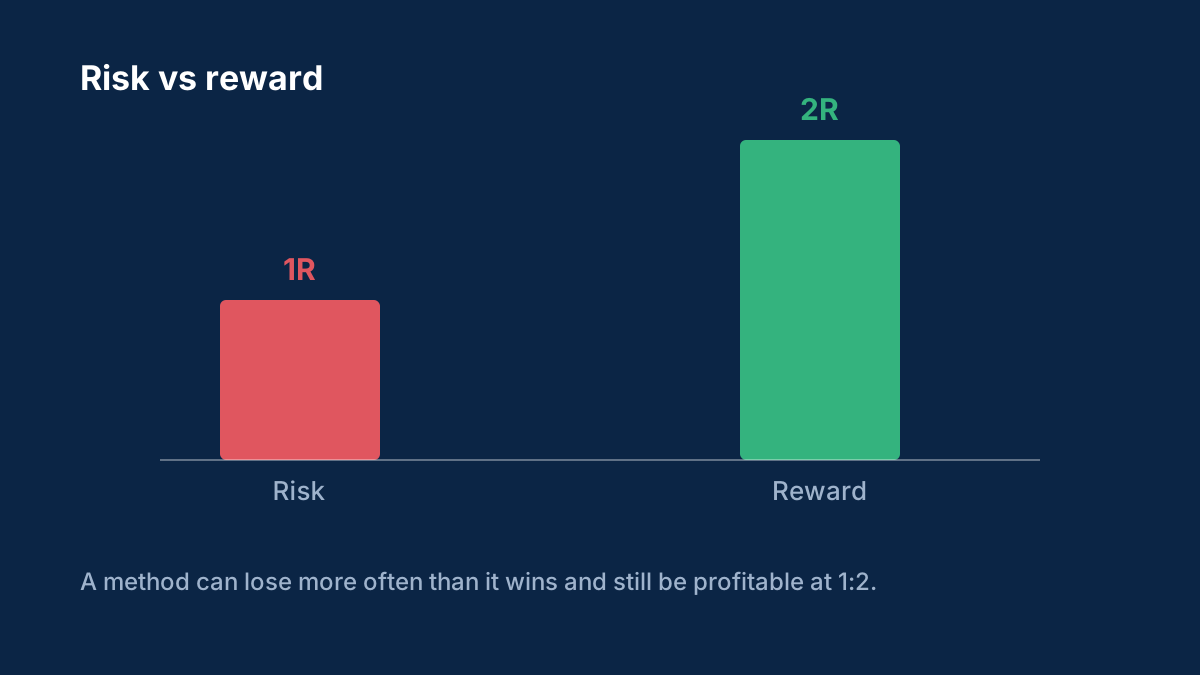
A review that only lists wins and losses misses the reasons behind them. Members who get the most from it compare each trade with the plan written before it, and separate a decision that was wrong from an outcome that was unlucky. That split is harder than it sounds, and it is where most of the learning happens. A losing trade with a good plan is different from a winning trade with a poor one, and the review should say which is which.
We would like to hear your routine:
- What is the first number you check in a weekly review?
- Do you review wins and losses equally, or focus on one?
- Which part of the review has changed the most as you have gained experience?
- What do you ignore on purpose, and why?
Please share your own approach and reasoning, not calls for others to copy. Posts that promise a direction or sell signals will be removed.
Background: How to use an economic calendar to plan your trading week
The calendar is the trader's weekly map: which releases matter, which pairs they move, and which days to trade small or not at all. Here is a Sunday-evening routine that turns it into a plan.
Which economic releases matter most for forex?
Central bank decisions, CPI and payrolls for the dollar; the same pattern for each currency's economy. The releases that matter are the ones that reach the pairs you trade — the calendar should be filtered to them.
What do actual, forecast and previous mean on a calendar?
Forecast is what the market expects, previous is the last reading, and actual is what lands on release day. The market reacts to the difference between actual and forecast — the surprise.
Comments
Log in to join the discussion. Comments follow the community guidelines.
Log in to commentLoading comments…