Which of your rules changes when the yen gets volatile?
The yen has a history of sharp moves when policy and intervention are in play, and the site's coverage includes the joint intervention between Japan and the United States (the joint intervention explained; yen intervention explained). Those episodes change how the pair behaves, and a rule that works in calm conditions can fail when the yen is volatile.
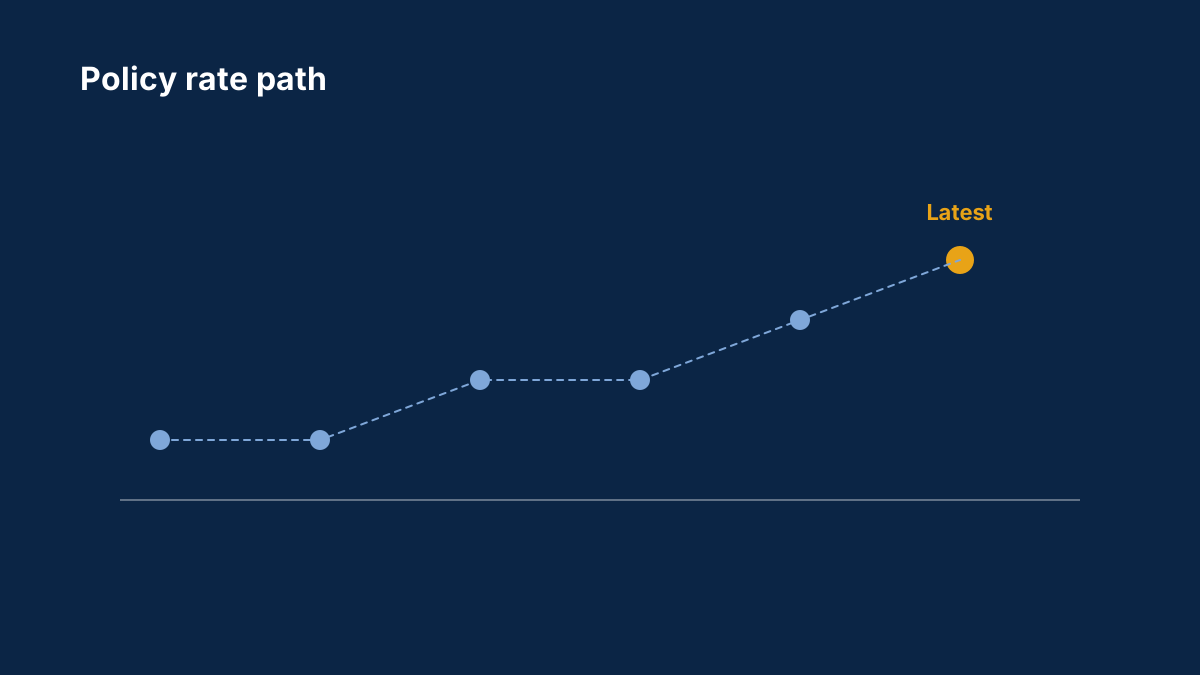
Why the yen is a safe haven explains why the currency often rallies in risk-off conditions, which can move USD/JPY faster than the rate gap alone would suggest. Members who trade the pair usually adjust size, stop distance or the number of open positions when volatility rises, and some stop trading the pair for a while altogether. A change of rule is only useful if it is written down before the volatility arrives, because the decision to change it is hardest to make during the move.
We would like to hear which rules you change:
- Which of your rules changes first when the yen becomes volatile?
- Do you cut size, widen stops or reduce the number of pairs you hold?
- How do you decide the yen has calmed down enough to trade normally again?
- Have you traded through an intervention episode? What did you learn?
Please share your own approach and reasoning, not calls for others to copy. Posts that promise a direction or sell signals will be removed.
Background: The 2026 yen intervention: what happened and what's next
Japan and the US intervened jointly in July to support the yen — a rare coordination that still shapes every yen trade. Here is what happened, why it worked, and what the authorities do next.
What was the 2026 yen intervention?
A joint operation by Japan and the United States in July, buying yen to support it against a weakening trend driven by the US-Japan rate gap.
Why did the joint intervention matter?
Coordination multiplies the operation's force: it signals both authorities agree the yen's weakness is a problem, and it established the standing threat that still shapes the pair.
Comments
Log in to join the discussion. Comments follow the community guidelines.
Log in to commentLoading comments…