After a week packed with central bank news, how do you review your trades?
Weeks with several central bank decisions can be exciting and exhausting. Quick moves tempt people into more trades than they planned, and a big win or loss can change how the next trade is taken.
We'd like to hear how members reset:
- Do you review each trade against your plan, or look at the week as a whole?
- What do you check first when a week goes badly: entries, position size, or the number of trades?
- Do you take a break after a run of losses, and how do you decide when to start again?
If you keep a journal, what one thing in it has helped the most? Practical, honest answers help newer traders far more than screenshots of profits.
Comments
Log in to join the discussion. Comments follow the community guidelines.
Log in to commentLoading comments…
A short review routine that works well after a busy week, in order.
- Count the trades. Compare with your usual weekly number. A big jump often explains more than any single trade.
- Check the plan column. For each trade: was it in the plan before the week started, yes or no?
- Compare the two groups. Total R for planned trades versus unplanned ones.
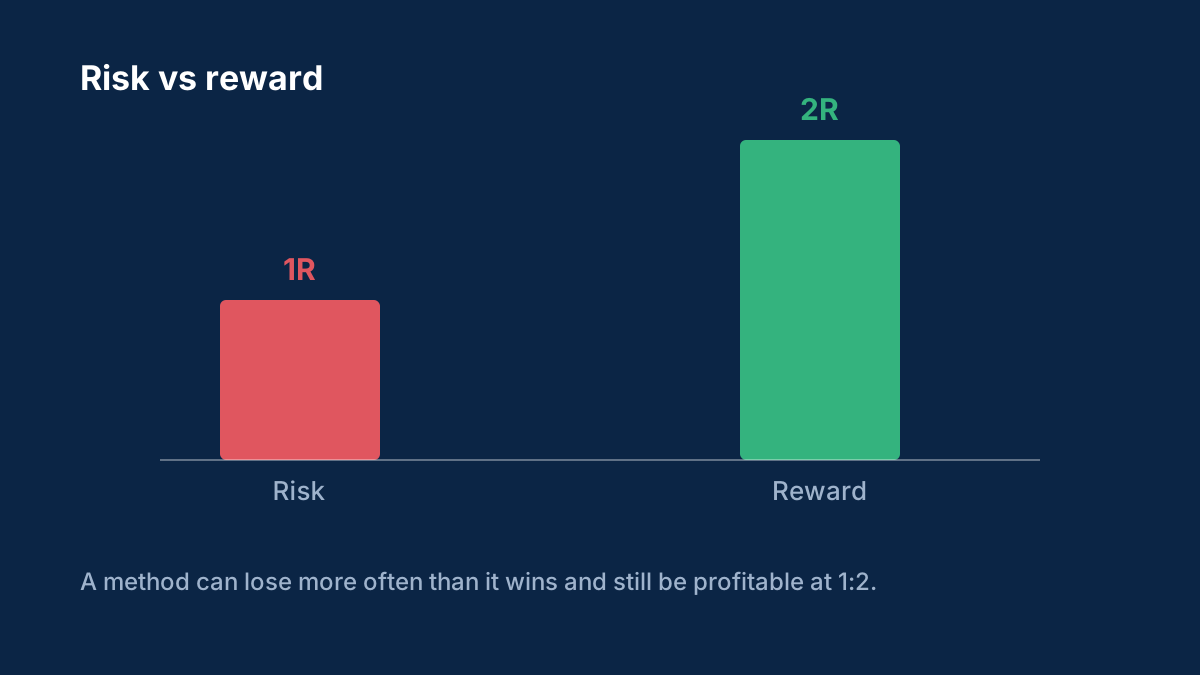
- Check sizing around events. Did any trade lose more than 1R because of a gap or slippage? If so, the fix is usually size, not the stop.
- Write one rule change, or none. Changing several rules after one unusual week tends to fit the rules to that week.
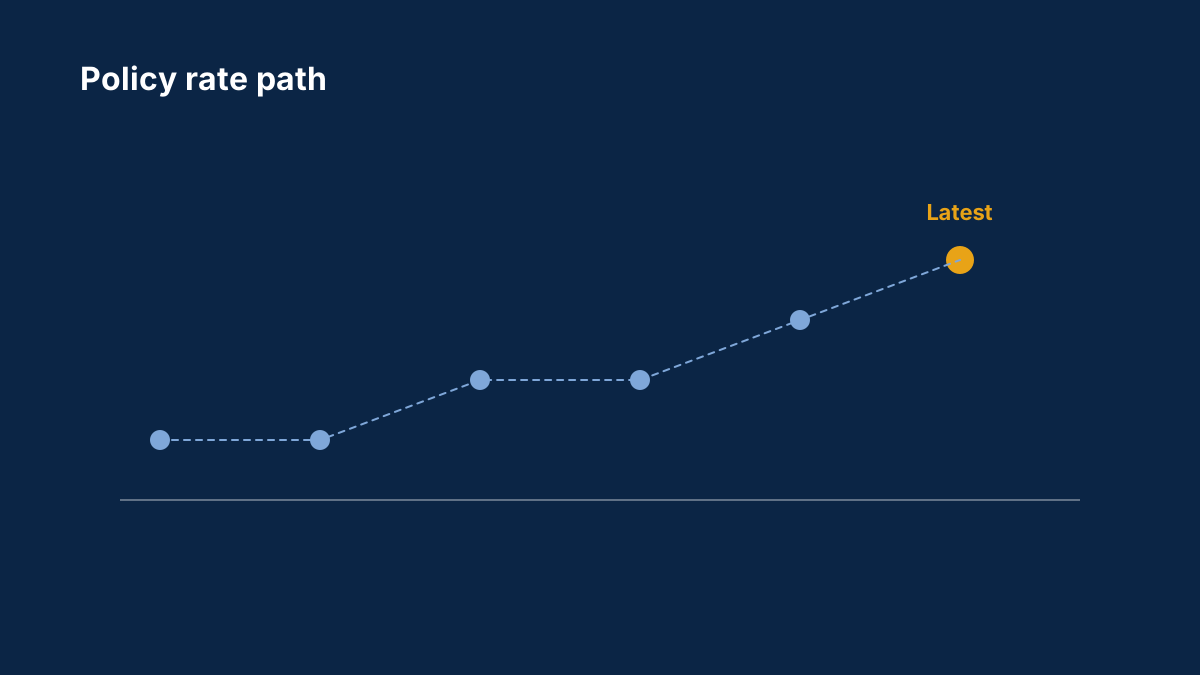
Weeks like this one, with the Fed, the Bank of England and the Bank of Japan in four days, are a good test of whether event rules hold up under pressure.
Background: how to keep a trading journal. Members, what did your review turn up this week?
0