Fear of missing out: do you chase moves you missed?
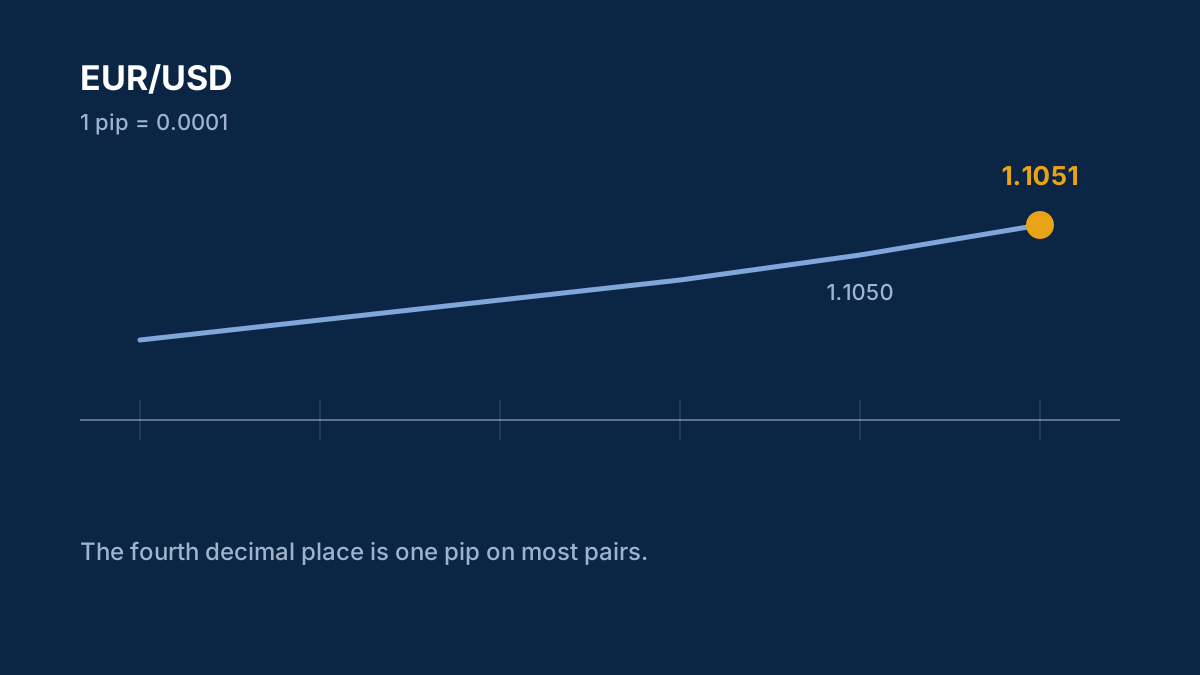
A pair breaks out without you, runs 80 pips, and every instinct says to jump in before it goes further. Chasing a move like that usually means a late entry, a worse price, and a stop that's either too far away or too close.
How do you deal with it?
- Do you have a rule for entering after a missed move, such as waiting for a pullback?
- Have you compared late entries with planned ones in your journal?
- What do you tell yourself when a trade you didn't take hits its target?
Honest answers only. The trades you don't take are part of trading too.
Comments
Log in to join the discussion. Comments follow the community guidelines.
Log in to commentLoading comments…
Some numbers that explain why chasing usually costs more than it looks.
Say a pair breaks a level and runs 80 pips. If you enter at the break with a 30-pip stop and a 60-pip target, the trade risks 1R to make 2R. If you chase 50 pips later and keep the stop at the same chart level, the stop is now 80 pips away while the remaining target is only 10 pips. The same idea now risks 80 pips to make 10.
Rules traders describe to handle it:
- Wait for a pullback to the broken level, and only enter if the original risk-reward is still available.
- Skip it and log it. Recording missed moves shows how many would have been worth taking, which often turns out to be fewer than it felt.
- Set alerts at planned levels so you're not watching the chart when the break happens.
Background: risk-reward, win rate and expectancy. Members, which of these works for you?
0