Pullback entries or breakout entries: which has worked better in your trading?
A pullback entry waits for price to return to a level after a move. A breakout entry acts as price leaves a range. Each suits different conditions, and each produces different losing trades. How to trade with RSI covers a momentum indicator some members use to time entries, and it is one way to check whether a pullback is losing steam before you enter.
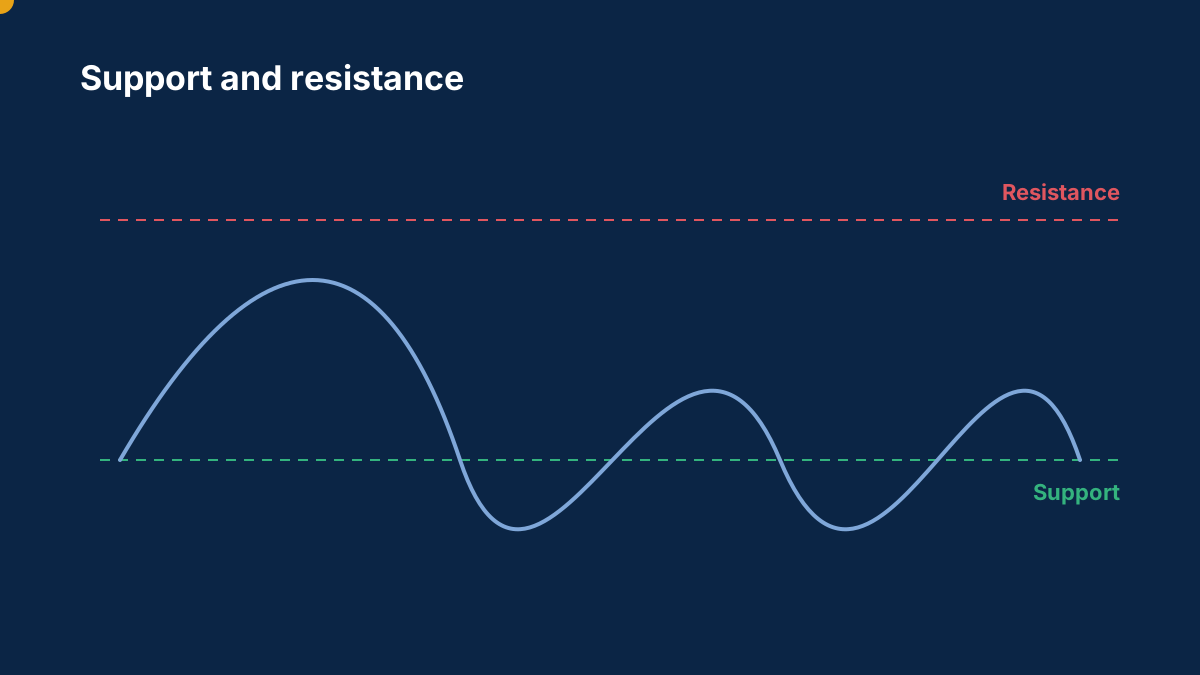
The useful comparison is over a sample of real trades, not a few memorable ones. A pullback strategy can look excellent in a trend and poor in a range, while a breakout strategy often loses in a quiet market and wins in a fast one. Members who keep a record can see which failure they keep repeating, and that is more useful than remembering the best trade of the month.

We would like to hear your results:
- Which entry style have you used most, and how many trades did it take to judge it?
- What does a losing pullback entry look like for you, compared with a losing breakout?
- Do you change your entry style around scheduled news?
- What would make you stop using one style for the other?
Please share your own approach and reasoning, not calls for others to copy. Posts that promise a direction or sell signals will be removed.
Background: How to trade with RSI: overbought, oversold and divergence
RSI is the most popular oscillator in trading and the most misread. Here is what it actually measures, where its signals work, where they fail, and how professionals use it as a filter rather than a trigger.
What does RSI overbought actually mean?
That the recent move has been one-sided — up closes dominating the last 14 periods — not that the market is expensive. In a range, overbought suggests exhaustion; in a trend, it is normal and can persist.
Does RSI divergence work?
Divergence is real but overrated alone: it can print repeatedly through an entire trend. It becomes tradeable only with context — a level, a reversal structure and a mature trend.
Comments
Log in to join the discussion. Comments follow the community guidelines.
Log in to commentLoading comments…