Gold below its January record: what changed
Gold set a record of $5,589 in January and traded near $4,300 in September. Here is what changed in between — real yields, the dollar and the fear premium — and what it means for the metal now.
Gold's 2026 has been a round trip of extremes: a record $5,589 an ounce in January, followed by a deep retreat that left the metal trading near $4,300 in early September (report). The swing is not a mystery — it is the gold driver map, run in sequence: the fear premium that made the record, the real yields and dollar that unwound it, and the question of which driver leads next.
This analysis explains the round trip through the metal's drivers. The driver map is in what moves the gold price; the master key in the gold and real yields explainer.
The January record: the fear premium
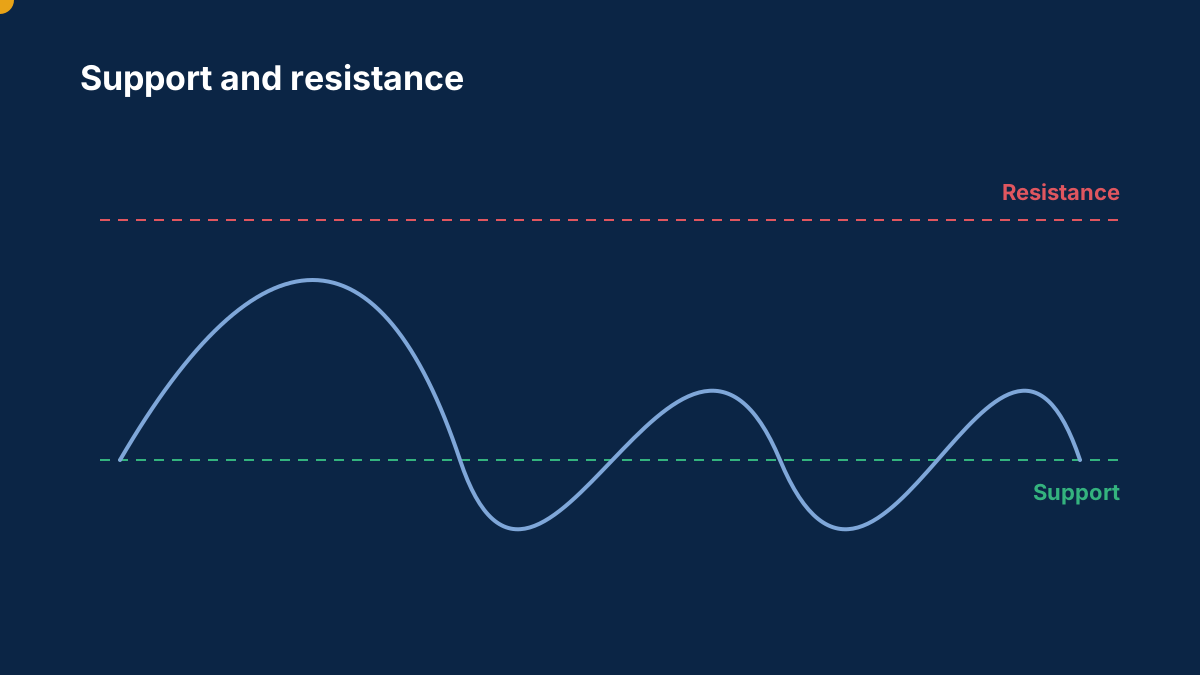
The record's engine was fear. January's $5,589 peak came at the year's peak of risk anxiety — the report documents the record and the retreat that followed — when the haven demand for gold ran at full strength. The fear premium is the metal's fastest driver: it arrives quickly, prices the worst case, and departs just as quickly when the fear fades. The record was the fear premium's high-water mark.
The fear premium's nature is the round trip's first lesson: fear-driven rallies are real and reversible. The metal that spikes on panic gives the spike back when the panic passes — which is exactly what the January-to-September arc shows. The risk sentiment guide covers reading the fear driver in real time.
The retreat: real yields and the dollar
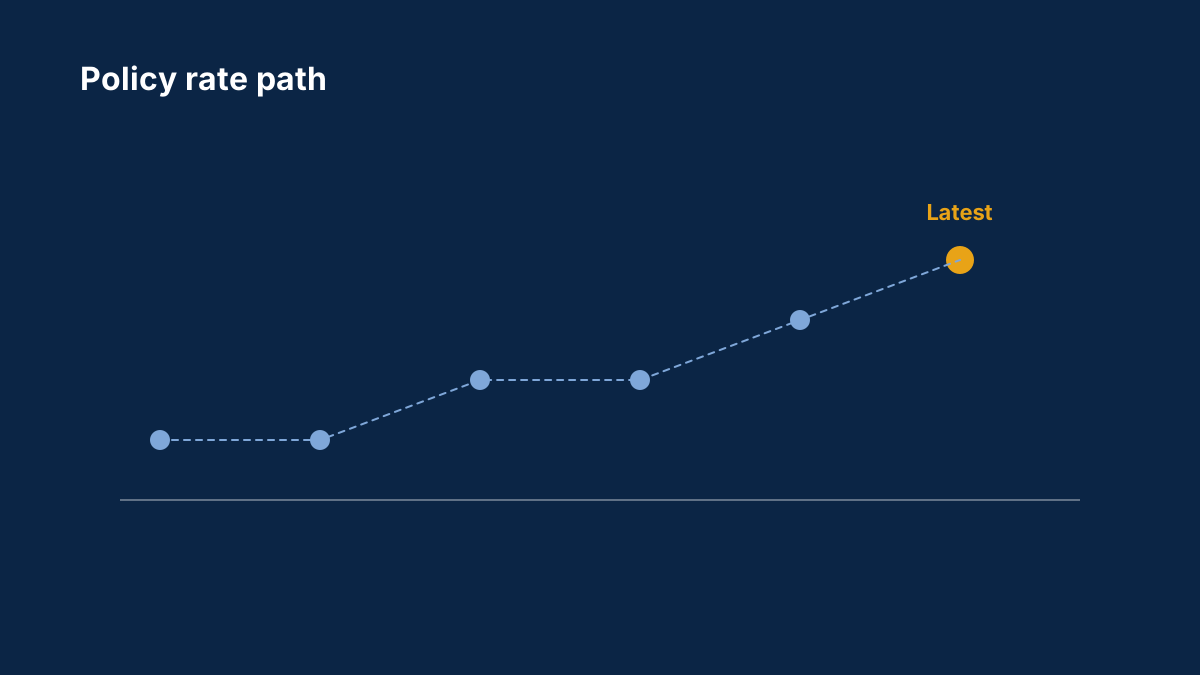
The retreat's engine was the pair of drivers that dominate gold in calm markets: real yields and the dollar. Through the middle of the year, the market repriced the Federal Reserve's path toward tighter policy — the expectations that culminated in the September hike and the "higher for longer" projections (report). Higher expected rates lifted real yields, gold's opportunity cost rose, and the metal's January premium unwound. The dollar strengthened on the same story, adding the mechanical pressure on the dollar-priced metal. The gold and real yields explainer covers the opportunity-cost mechanics; the Fed hike analysis the rate side.
The retreat's lesson is the driver map's hierarchy: when the fear premium fades, the real-yield and dollar drivers take over — and they had been building the entire time the fear was in charge. The metal trades one driver at a time, and the leadership changed.
Where the metal stands now
The current picture is the drivers' net at a specific moment. Real yields are elevated on the Fed's path; the dollar is strong on the same story; and the fear premium is off its January peak but not gone — the energy shock and the geopolitical backdrop keep a floor under the haven bid. The metal's level near $4,300 is the market's balance of the three: far below the fear-driven record, far above the levels of a few years ago, with the central bank buying that has supported the market through the retreat still in place. The gold guide covers the structural buyers' role.
The practical read: gold's next move depends on which driver leads next. A Fed path that softens — lower real yields — would lift the metal; a risk shock would re-engage the fear premium; a continued "higher for longer" story keeps the real-yield pressure in place. The drivers' rotation is the metal's next chapter, and the gold and real yields explainer supplies the daily read.
What the round trip teaches
The round trip is the gold driver map's cleanest lesson in a single year:
Drivers rotate, not coexist. Gold trades the fear premium, the real yields and the dollar one at a time — the leader changes, and the metal's direction changes with it. The trader's job is naming the leader, not averaging the drivers.
The record's nature matters. The January peak was a fear premium, and fear premiums are rented, not owned. The retreat was the rent coming due. The real yields explainer covers why the fear-driven moves are the reversible ones.
The structural floor is real. Through the whole round trip, the central banks' buying and the metal's long-term role kept the retreat orderly. The floor is why gold's dips find support more reliably than the fear-driven spikes hold their highs.
How to trade the metal now
The practical read:
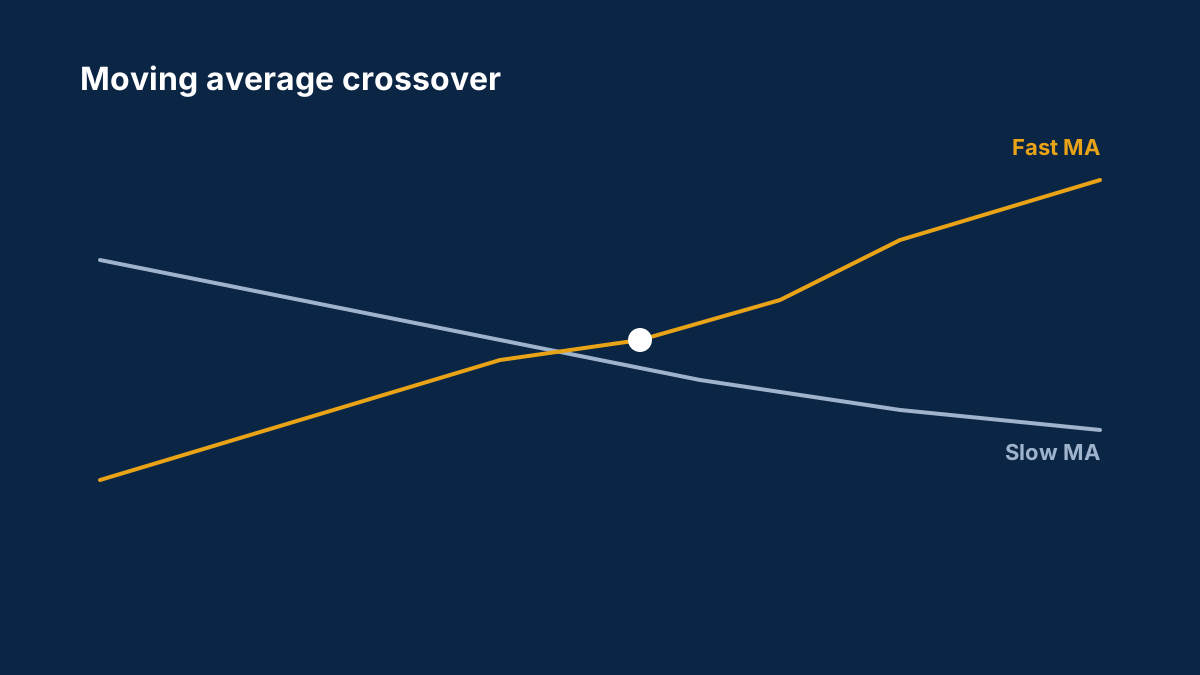
- Read the real-yield driver first — the TIPS yield's direction is the metal's current master key. The gold and real yields explainer has the read.
- Watch the Fed's path as the real-yield input — the "higher for longer" projections are the pressure, and their softening would be the metal's lift. The Fed hike analysis covers the path.
- Keep the fear premium's gauge — the risk mood's turns re-engage the haven bid, and the risk sentiment guide supplies the five-minute check.
- Trade the driver, not the level — the metal's level is the drivers' net, and the position belongs to the driver's direction. The gold trading guide has the framework.
Gold's 2026 round trip — record to retreat — is the driver map, demonstrated at full scale. Read the real yields, the Fed's path and the fear gauge, and the metal's next chapter becomes legible before it prints.
Sources
Common questions
Why did gold fall from its January record?
The January record was a fear premium, and fear premiums fade. As the market repriced the Fed toward tighter policy, real yields rose and the dollar strengthened — the two drivers that dominate gold in calm markets.
What was gold's record in January 2026?
$5,589 an ounce — the peak of the year's risk anxiety. By early September the metal traded near $4,300.
Why didn't central bank buying stop the retreat?
The buying is slow and structural — it supports the market and keeps retreats orderly, but it does not fight the daily repricing of real yields. The floor is real; the drivers still lead.
Which driver leads gold now?
Real yields, on the Fed's 'higher for longer' path. The metal's next move depends on which driver leads next — a softer Fed path or a risk shock would change the leadership.
How should I trade gold after the round trip?
Read the TIPS yield first, watch the Fed's path as its input, keep the risk-mood gauge for the fear premium, and trade the active driver's direction rather than the price level.
This article is for information only and is not financial advice. Trading forex and CFDs carries a high risk of losing money. Read the risk warning. Spotted an error? Tell the editors.
Comments
Log in to join the discussion. Comments follow the community guidelines.
Log in to commentLoading comments…