USD/JPY is near 158 after the July intervention at around 160. How do you think about the risk of another one?
By FTC's calculation from ECB reference rates, USD/JPY was 163.91 on 28 July, the highest of 2026, and 160.24 on 31 July, the day Japan's Ministry of Finance bought yen in coordination with the US Treasury. It was 156.68 on 3 August and 158.23 on 5 October (report). Japan confirmed the joint intervention, and said it stands ready to carry out further joint intervention (report).
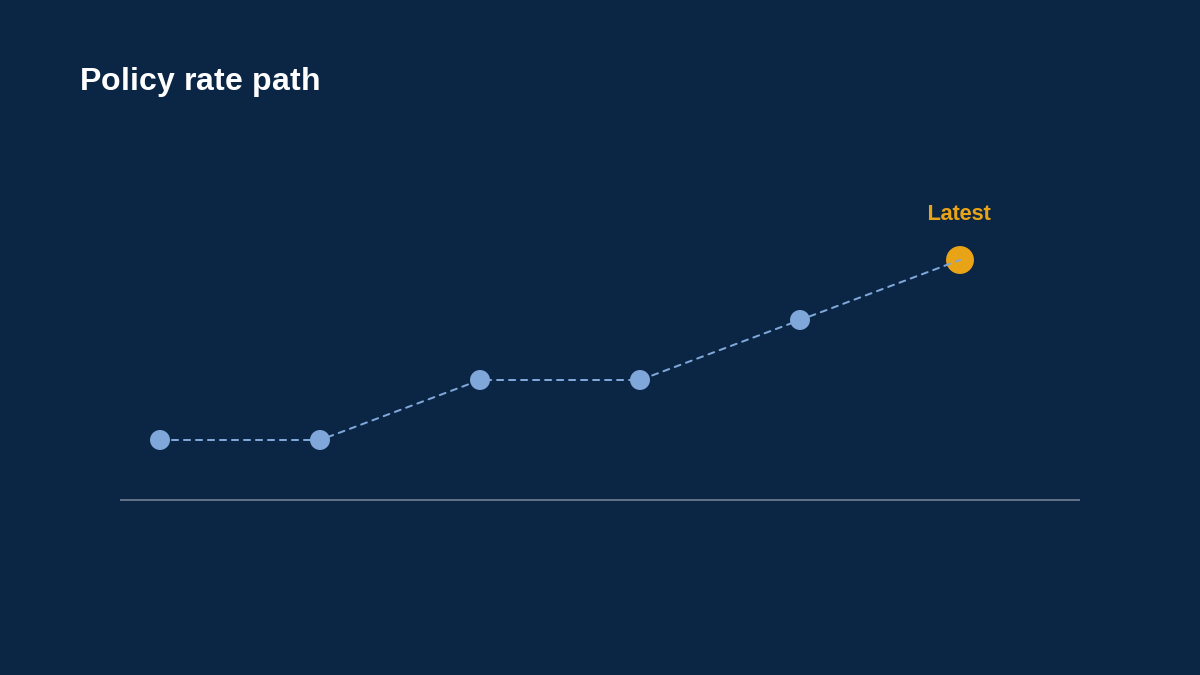
The Bank of Japan raised its policy rate to 1.25% on 18 September on a 7–2 vote, and its board is split on how fast to go next (report). Tokyo core inflation reached 2.7% in September (report), and the Bank decides again on 30 October.
Intervention risk is one of the hardest things to price, because authorities rarely announce levels in advance. Currency intervention explained covers the history. The calculations above are only reference-rate snapshots, not traded prices.
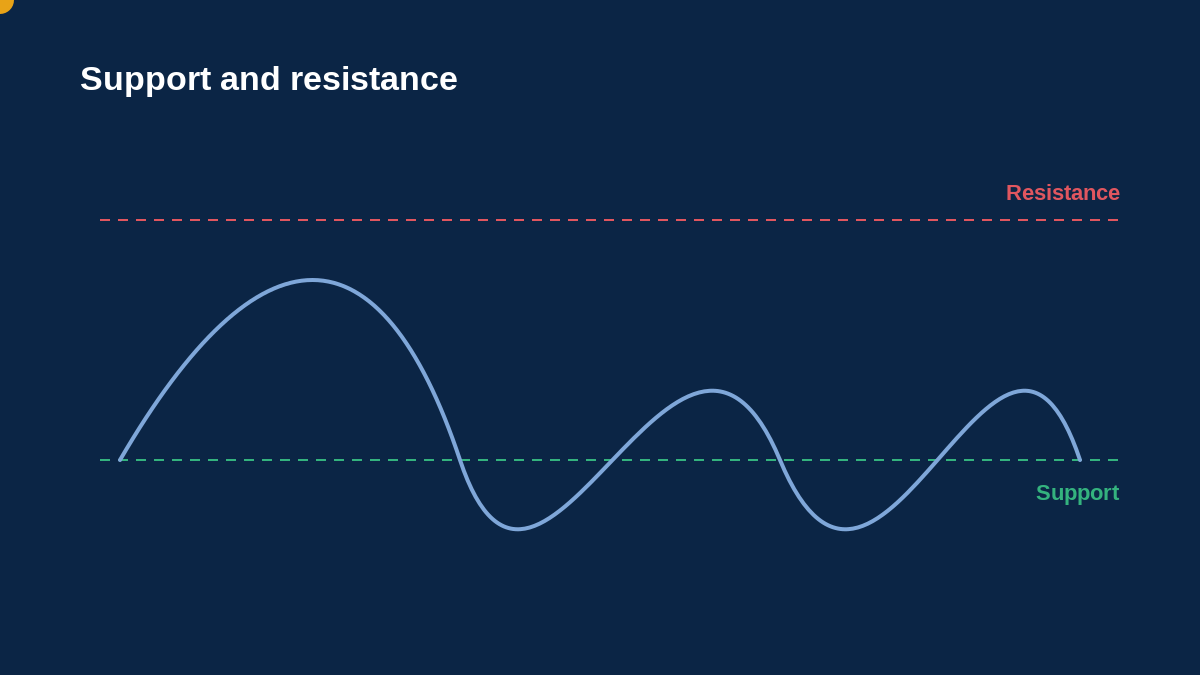
How do you think about it?
- Do you treat any particular level, or speed of movement, as a warning sign for USD/JPY, and where does that come from?
- Does a Bank of Japan meeting change your view of intervention risk, in either direction?
- How do you manage a position when a policy-driven reversal can happen in minutes?
- Do you trade crosses such as EUR/JPY with the same caution?
Please share your own approach and reasoning, not calls for others to copy. Posts that promise a direction or sell signals will be removed.
Background: When currency intervention works — and when it fails
Central banks sometimes buy or sell their own currency to move it — and the results range from decisive to futile. Here is what intervention is, when it succeeds, and the tell-tale signs to watch.
What is currency intervention?
A central bank or finance ministry buying or selling its own currency to move the exchange rate — buying to strengthen it, selling to weaken it. The goal is to change direction or cap extremes, not to set the rate permanently.
When does intervention succeed?
When it fights crowded, one-sided positioning, has the fundamentals' tailwind, and is credible — surprising, coordinated or at least verbally prepared. Alignment with policy multiplies the effect.
Comments
Log in to join the discussion. Comments follow the community guidelines.
Log in to commentLoading comments…