Consumer confidence fell to 81.9 while inflation expectations rose to 6.1%. Do you trade sentiment surveys or ignore them?
The Conference Board's Consumer Confidence Index fell 6.7 points to 81.9 in September, from 88.6 in August. The Present Situation Index fell to 109.3 and the Expectations Index to 63.6, its third consecutive monthly decline. Average 12-month inflation expectations rose 0.3 point to 6.1%, and the share of people expecting higher interest rates jumped 5.2 points to 68.4%. For only the second time since the question started, more people said their family's finances were bad than good (full report).
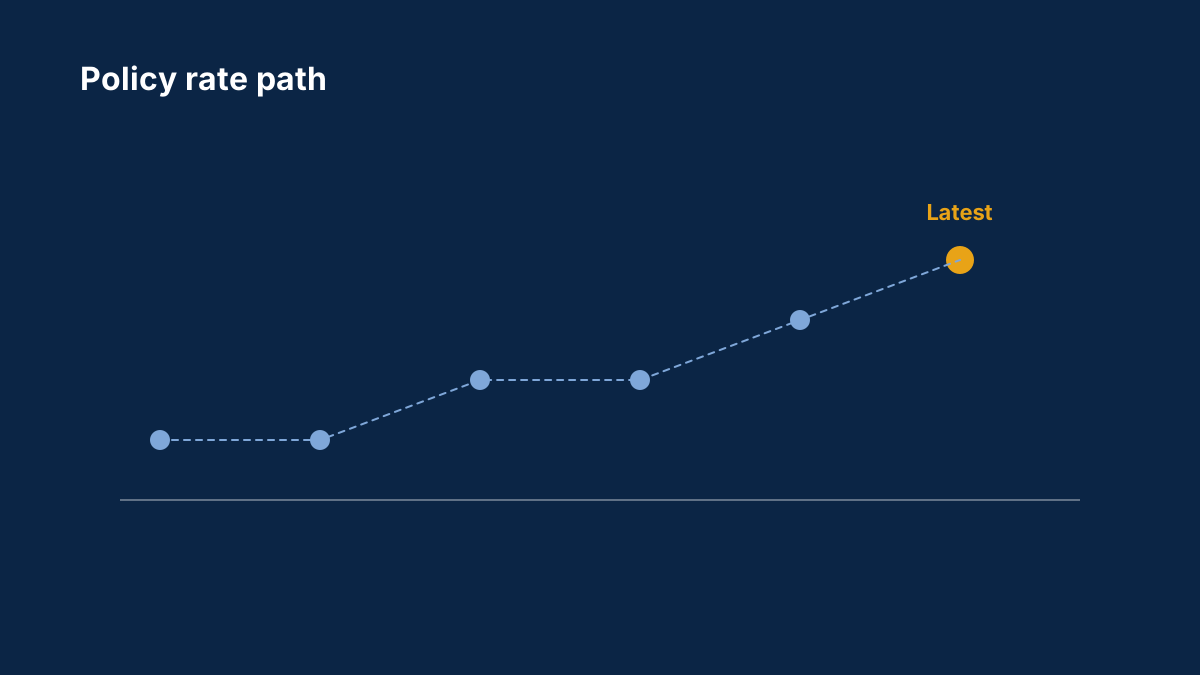
The University of Michigan's sentiment gauge was also soft in September (report). These surveys ask households what they feel, not what they have done, and their link to spending is looser than their headlines suggest. People often say prices worry them while continuing to spend. The Fed's own data, such as PCE inflation of 3.4% (report), say what prices did.
We would like to hear how traders treat them:
- Do you trade sentiment surveys such as the Conference Board and Michigan, or treat them as background?
- Which do you consider more informative, the headline index or the inflation expectation questions?
- Have you seen a sharp fall in confidence that was followed by weak spending, or by no change?
- How do you compare a survey of feelings with hard data, such as retail sales?
PMIs explained covers another survey that is closely watched.
Please share your own approach and reasoning, not calls for others to copy. Posts that promise a direction or sell signals will be removed.
Background: PMIs explained: the survey data that moves currencies early
Purchasing managers' indexes are among the first economic numbers published each month. What the 50 line means, which PMIs matter and how traders use them.
What does a PMI of 50 mean?
50 is the dividing line: readings above 50 indicate that business activity is expanding compared with the previous month, and readings below 50 indicate contraction.
What is a flash PMI?
An early estimate published before the month ends, based on most of the survey responses. Flash PMIs often move markets more than the final figures.
Comments
Log in to join the discussion. Comments follow the community guidelines.
Log in to commentLoading comments…