Sharing trades publicly: does it help your discipline or hurt it?
Some traders say posting their trades keeps them accountable. Others find that once people are watching, they start protecting their image instead: holding losers too long, or skipping valid setups for fear of a public loss.
Where do you stand?
- Have you shared trades publicly, and did your results change?
- Is sharing your process different from sharing your positions?
- What kind of accountability actually works for you?
A note on this forum's rules: explaining your own reasoning is welcome, but posting trade calls for others to copy, or pointing people to signal groups, isn't allowed. Signals, copy trading and bots explains why.
Comments
Log in to join the discussion. Comments follow the community guidelines.
Log in to commentLoading comments…
One distinction that might help this discussion: sharing your process versus sharing your positions.
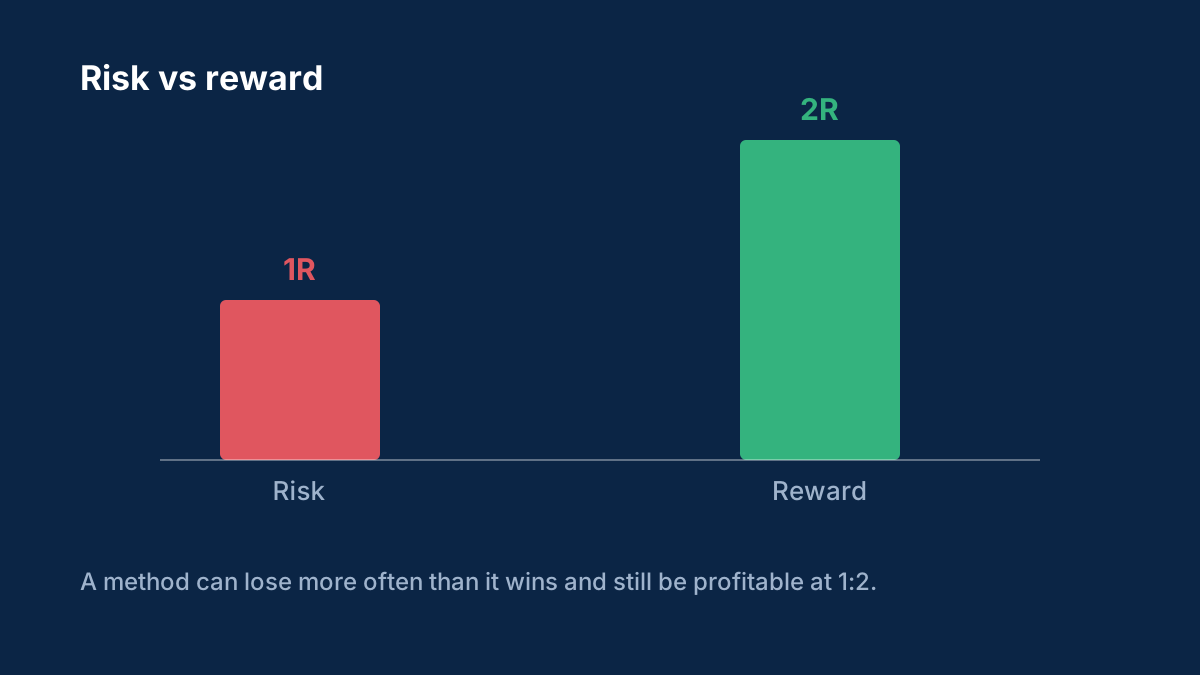
Sharing process means your plan before the week, your rules, and a review afterwards in R. It tends to build accountability without the pressure of defending an open trade in public.
Sharing live positions creates an audience for trades that are still running. That's where many traders report the problems in the original post: holding losers to avoid admitting them, or skipping valid setups.
A format that works well in this community is the weekly wrap: results in R, one good decision, one mistake, and plans for next week.
Also worth repeating for newer readers: people who post only winning trades and then invite you to a paid group are showing a marketing funnel, not a track record. Signals, copy trading and bots explains what to check.
0