The Fed held. How do you read EUR/USD after a dollar hold?
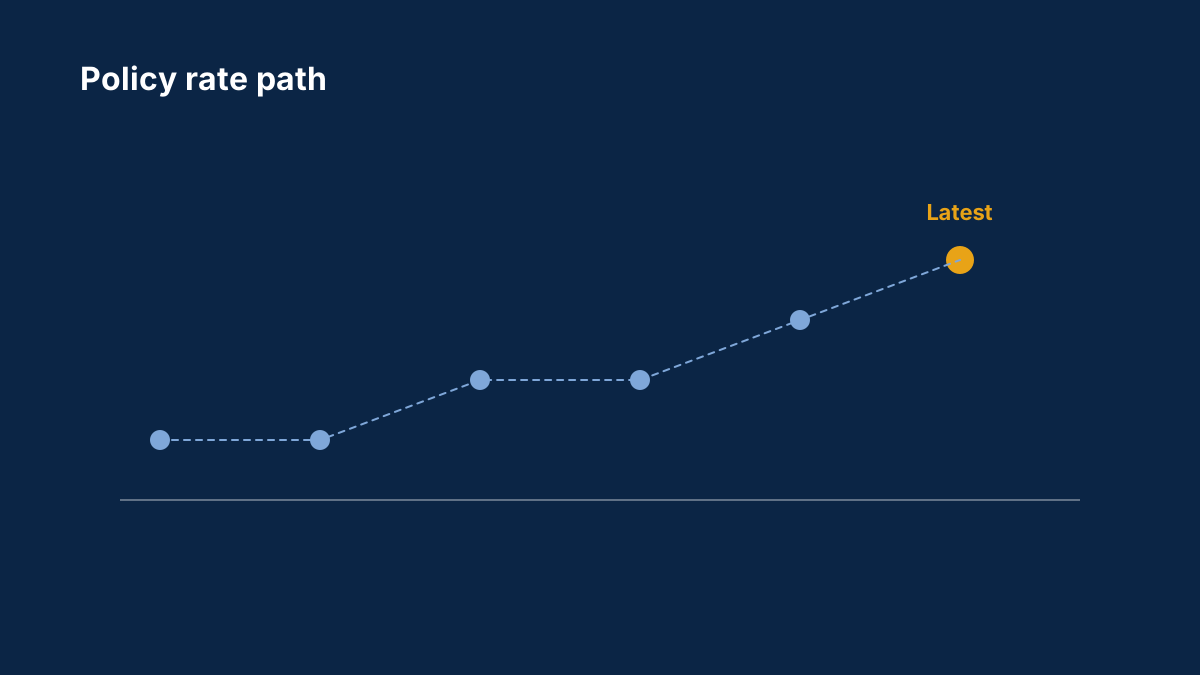
The Federal Reserve held its target range at 3.75% to 4.00% on 28 October 2026. The vote was 10–2, with two members wanting a quarter-point increase (FOMC statement, 28 October 2026). For EUR/USD, a hold is a statement about the dollar side only, and the euro side of the pair has its own drivers, which is why the pair can move on a Fed hold without any change in the outlook for the euro.
Members usually read EUR/USD against the dollar drivers and the euro drivers together. What moves EUR/USD lists the drivers on both sides, and the Fed decision in detail gives the context for the dollar side. Live prices are on the EUR/USD market page, where the chart and the latest figures can be checked against your own reading.
We would like to hear how you read it:
- When the Fed holds, do you look at the dollar side of EUR/USD or the euro side first?
- Which euro-area release do you check before you trade a Fed hold?
- Do you treat the two dissents as a dollar signal, or as noise for this pair?
- Have you seen EUR/USD move on a Fed hold and then reverse the next day? What did you do?
Please share your own approach and reasoning, not calls for others to copy. Posts that promise a direction or sell signals will be removed.
Background: What moves EUR/USD? The five drivers that matter most
EUR/USD is the market's default pair, and five forces decide its direction — with US rate expectations leading the list. Here is each driver, how they interact, and which one is in charge on any given day.
What moves EUR/USD the most?
US interest-rate expectations lead most days: US CPI, payrolls and Fed decisions move the pair through the dollar leg. The euro side matters most on ECB days and euro-area inflation surprises.
Why does EUR/USD fall on strong US data?
Strong US data raises Fed rate expectations, which attracts money into dollars. The pair falls as the expected rate gap widens in the dollar's favour — the same transmission as every dollar pair.
Comments
Log in to join the discussion. Comments follow the community guidelines.
Log in to commentLoading comments…