Entry timing: do you wait for the candle to close?
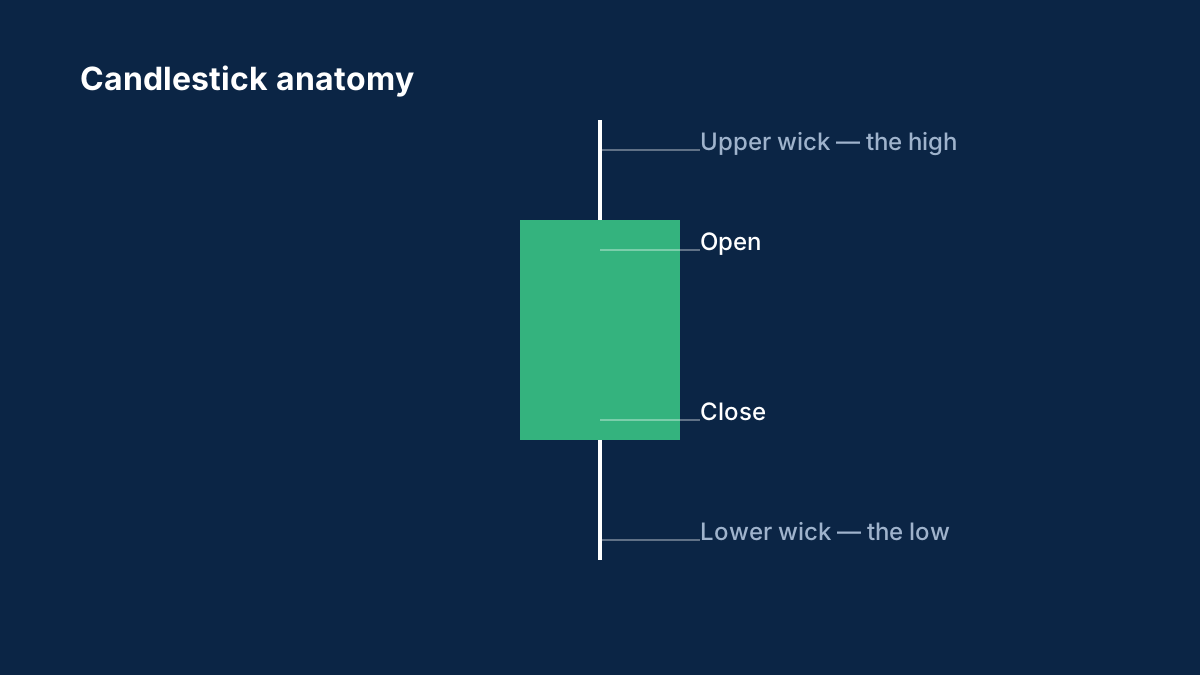
Entering on a live candle is fast and often wrong — the candle can reverse before it closes. Waiting for the close is cleaner but costs price. The choice shapes a strategy's character.
What's your rule?
- whether you enter live or on the close
- the trade-off you've measured between them
- the setups where live entry is worth it
The candlestick guide explains what a close actually confirms.
Background: How to read candlestick charts
Candlesticks pack four prices into one shape. How to read the body and wicks, what timeframes mean and why single patterns are weaker than they look.
What do the wicks on a candlestick mean?
The wicks show the highest and lowest prices reached during the period. A long wick shows that the price moved there but was pushed back before the candle closed.
Are candlestick patterns reliable?
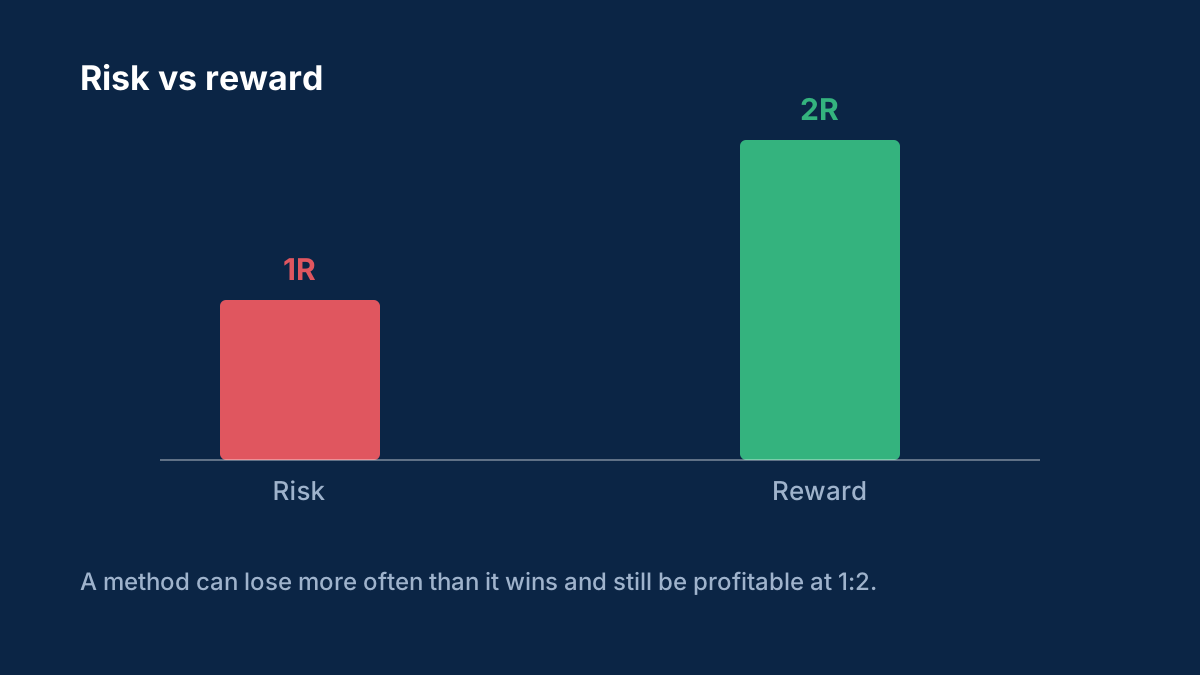
Not on their own. They are more meaningful at important price levels and on higher timeframes, and they should be combined with a clear plan for risk.
Comments
Log in to join the discussion. Comments follow the community guidelines.
Log in to commentLoading comments…