Brent crude trades above $100 as shipping through the Strait of Hormuz dwindles
Brent has held above $100 a barrel since 3 September. Tanker traffic through Hormuz has fallen sharply amid US–Iran strikes, and Houthi forces have seized a Red Sea port.
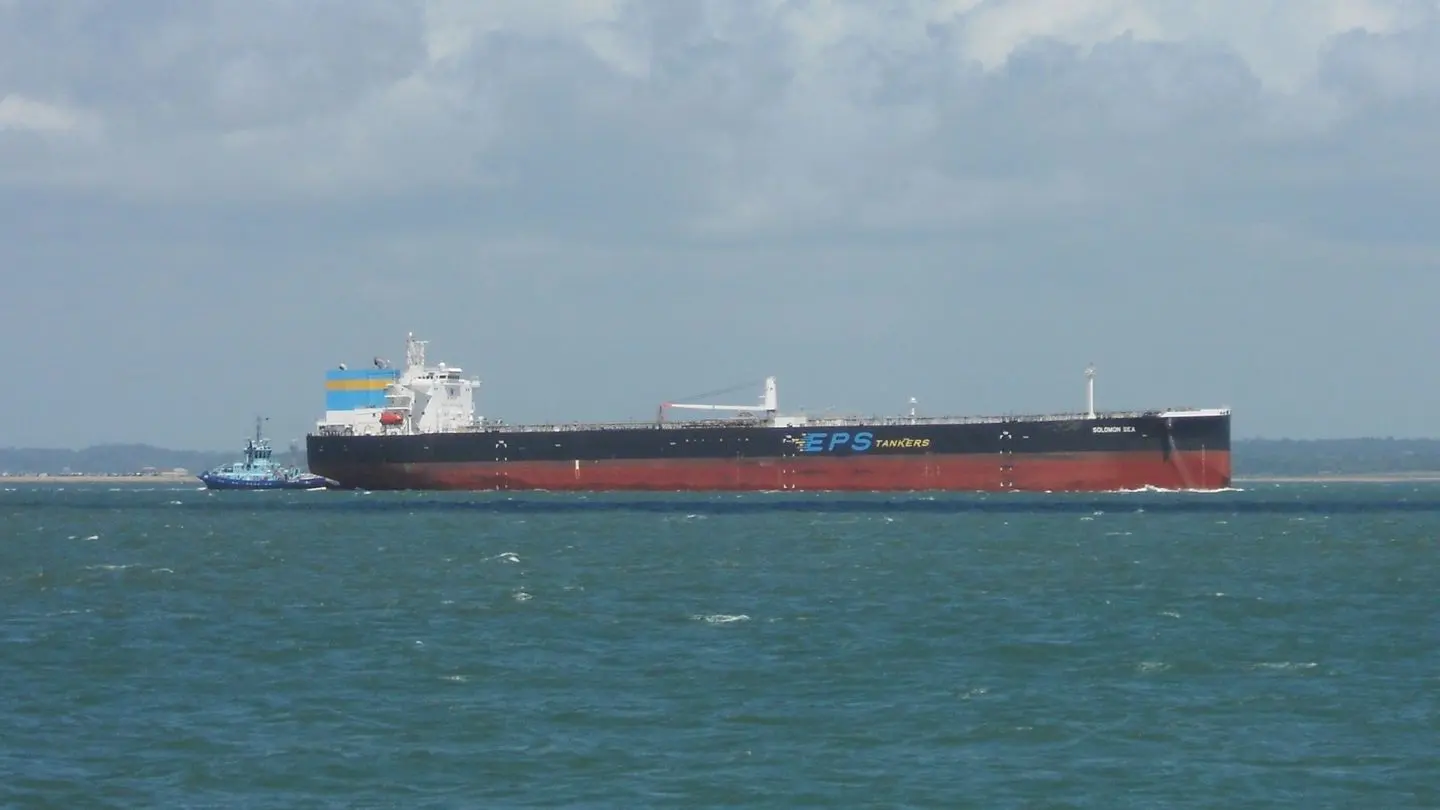
Brent crude, the international oil benchmark, has traded above $100 a barrel since 3 September 2026, according to LSEG data cited by Yahoo Finance. By 10 September Brent stood at $101.61 and US benchmark WTI at $96.54, with Brent up nearly 30% from its early-August lows.
The week ended higher still. On 11 September Brent settled at $104.60 a barrel and WTI at $100, even after both fell more than 2% on the day, as reported by The National. It was the first time in nearly four months that oil finished a week above $100. The year's peak so far came on 30 April, when Brent reached $126.41, a four-year high.
What is pushing prices up
The main concern is supply through the Strait of Hormuz, which carried roughly a fifth of the world's oil and gas before the conflict in the region. According to reports this week:
- The US military sank five Iranian oil tankers, and Iran's Revolutionary Guard Corps then attacked 10 vessels near the strait.
- Ship traffic through Hormuz fell to seven vessels on 10 September, from 18 two days earlier.
- Houthi forces seized Mokha, a Red Sea port near the Bab al-Mandeb strait, a route for Saudi oil exports to Asia.
- Saudi Arabia's East–West pipeline was shut after drone strikes.
Analysts quoted in the coverage framed the question as whether prices can stabilise, or whether further disruption pushes crude into a higher range.
Why currency traders are watching oil
Oil reaches currency markets through three channels:
- Trade. Crude is one of Canada's largest exports, so higher prices tend to support the Canadian dollar against the currencies of oil importers. See USD/CAD.
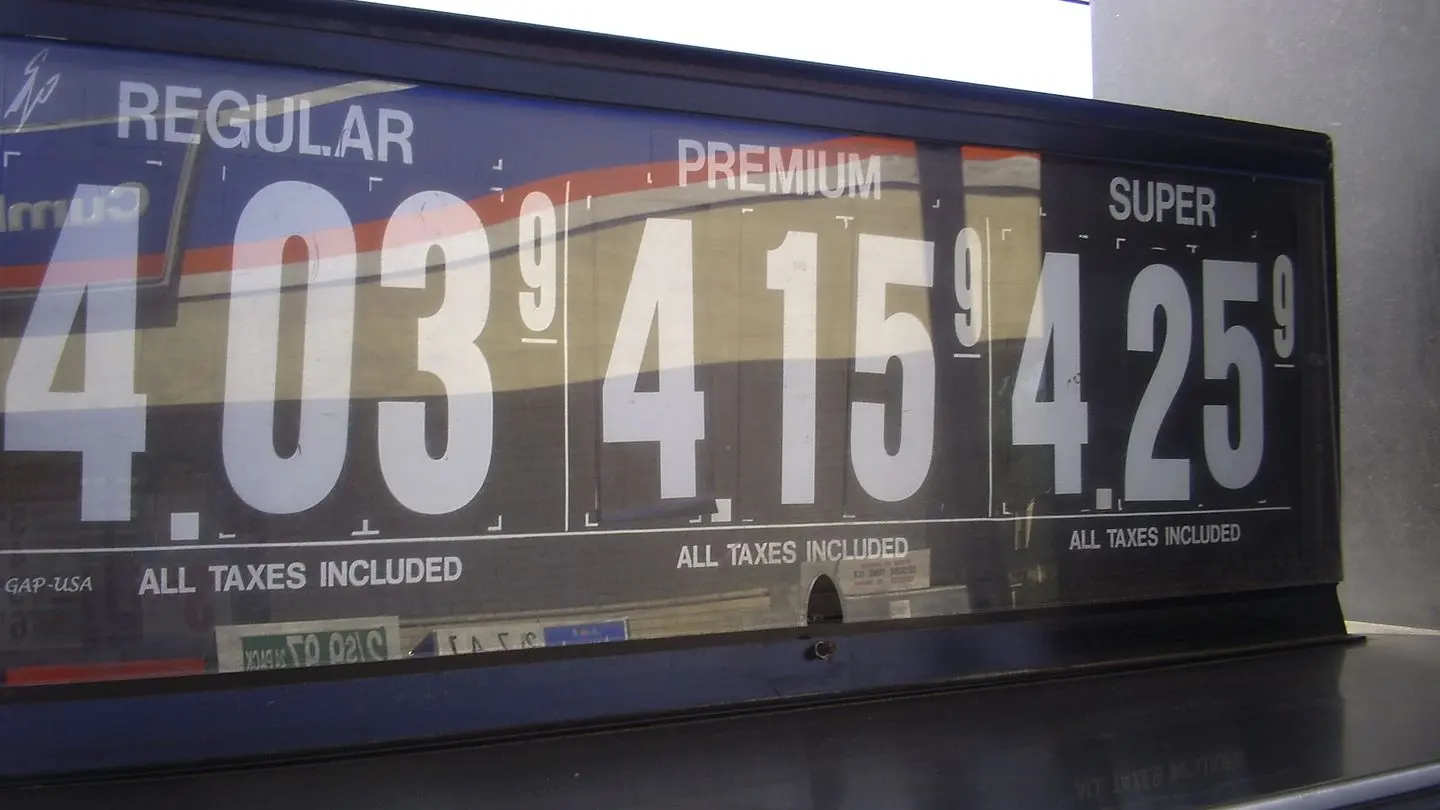
- Inflation. Energy is already driving inflation higher. US gasoline prices were 27.4% above a year earlier in August, and euro area energy inflation was 14.3%.
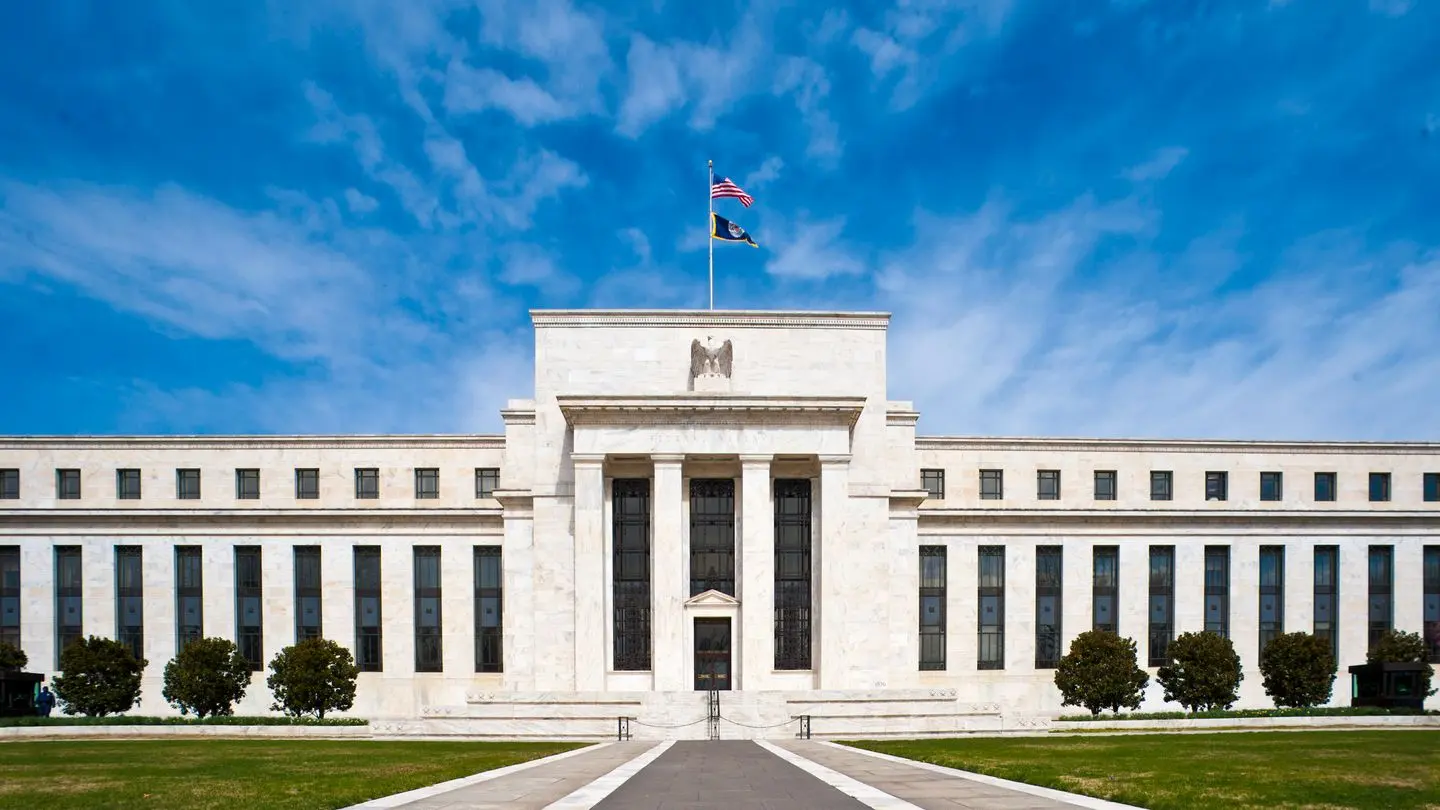
- Central banks. Energy-driven inflation is behind this month's rate increases from the European Central Bank and the Reserve Bank of New Zealand, and it complicates the Federal Reserve's decision on 16 September.
Live prices are on the Brent and WTI pages. For more on the link between crude and the loonie, see oil prices and the Canadian dollar.
Sources
- Yahoo Finance: Brent crude holds above $100 as Strait of Hormuz supply risks remain in focus
- The National: oil prices set to end the week above $100 as Houthis seize key port city
- US Bureau of Labor Statistics: Consumer Price Index, August 2026
- Eurostat: euro area annual inflation up to 3.3% (flash estimate, August 2026)
Common questions
Why is oil above $100 a barrel?
Supply fears centred on the Strait of Hormuz. Reports in September 2026 described US–Iran attacks on tankers, a sharp drop in shipping through the strait, Houthi forces seizing a Red Sea port and the closure of a Saudi pipeline.
What is the difference between Brent and WTI?
Brent is the international crude benchmark, based on North Sea oil; WTI is the US benchmark, delivered at Cushing, Oklahoma. They usually move together, with WTI typically trading a few dollars below Brent.
How do oil prices affect the Canadian dollar?
Crude oil is one of Canada's largest exports, so higher prices raise Canada's export income and tend to support the Canadian dollar, although interest rates and US–Canada trade relations also matter.
This article is for information only and is not financial advice. Trading forex and CFDs carries a high risk of losing money. Read the risk warning. Spotted an error? Tell the editors.

Comments
Log in to join the discussion. Comments follow the community guidelines.
Log in to commentLoading comments…