US initial jobless claims edge down to 197,000 while the four-week average slips to 200,000
The Labor Department's advance figure for the week ending 26 September is 1,000 below the revised prior week. Continuing claims fell 11,000 to 1,701,000.
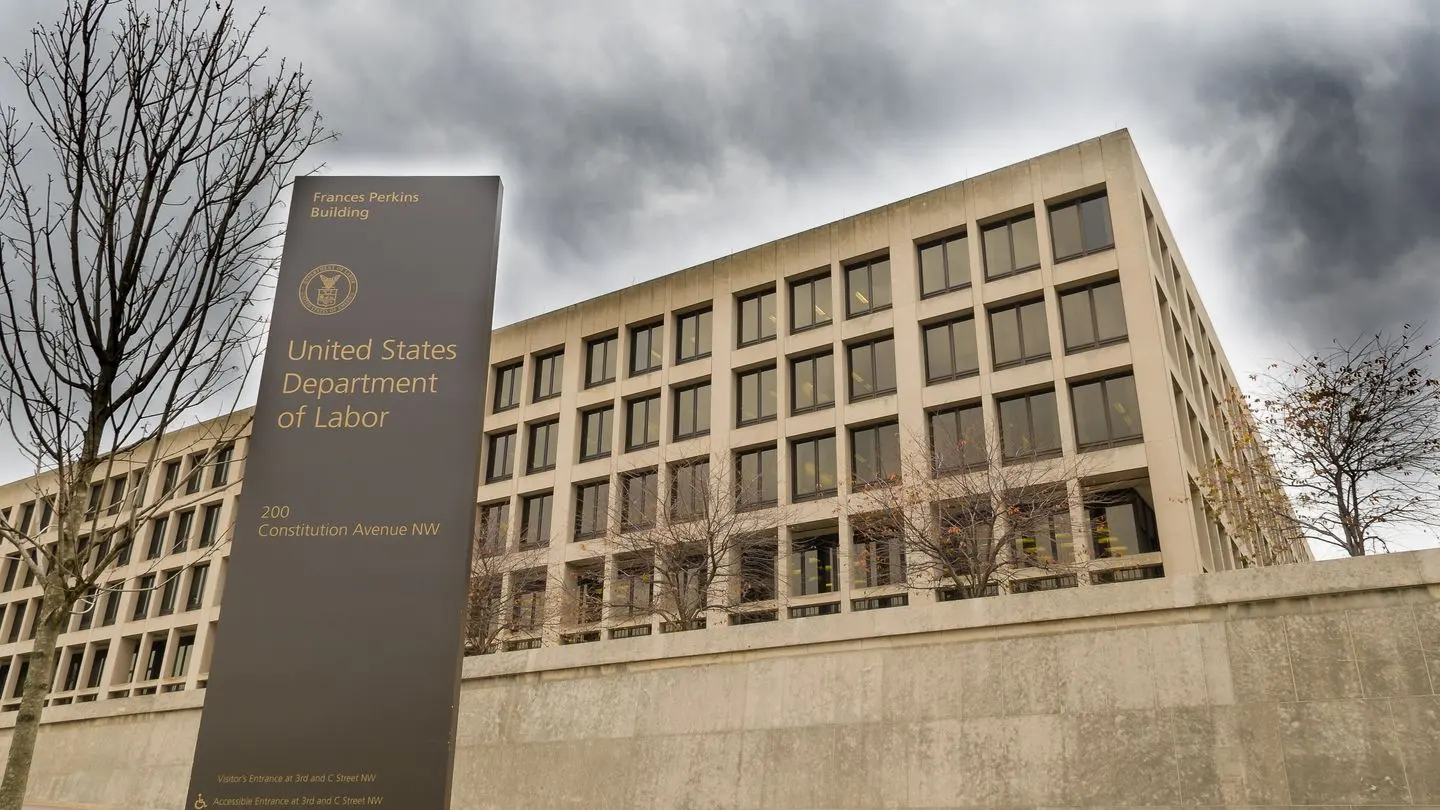
The Labor Department published its weekly unemployment insurance claims report on Thursday 1 October 2026. In the week ending 26 September, the advance figure for seasonally adjusted initial claims was 197,000, a decrease of 1,000 from the previous week's revised level of 198,000 (revised up from 197,000). The four-week moving average was 200,000, down 2,500.
The figures
- Initial claims (seasonally adjusted): 197,000; a year earlier the figure was 225,000
- Four-week average: 200,000, against 234,000 a year earlier
- Unadjusted initial claims: 156,738, down 7,979 (4.8%) from the previous week, compared with 179,162 a year earlier
- Insured unemployment (week ending 19 September): 1,701,000, down 11,000 from the revised prior week; the insured unemployment rate was 1.1%, unchanged
- Unadjusted insured unemployment: 1,498,378, against 1,696,023 a year earlier, a rate of 1.0%
- Continued weeks claimed in all programs (week ending 12 September): 1,567,411, down 21,222
By state
For the week ending 12 September the highest insured unemployment rates were in New Jersey (2.1%), Massachusetts and Washington (both 1.8%) and California and Puerto Rico (both 1.7%). For the week ending 19 September the largest increases in initial claims were in California (+2,352), Hawaii (+1,524) and New York (+868), and the largest decreases in Massachusetts (−501), Kentucky (−326) and Arkansas (−265).
Why it matters
Claims are the most current official reading of layoffs. At 197,000 they are close to the 196,000 reported for the week ending 12 September (report), and well below a year ago, so layoffs remain low even though hiring has weakened: payrolls rose only 29,000 in September (report). That combination, few layoffs and little hiring, is the pattern the Federal Reserve described when it raised rates to 3.75%–4.00% on 16 September (report).
Claims are volatile and hard to adjust for seasonal swings, so one week rarely settles anything. The next report is due on 8 October. How to trade non-farm payrolls shows how traders place claims alongside the monthly report. Live prices: EUR/USD.
Sources
Common questions
How many Americans filed initial jobless claims in the week ending 26 September 2026?
The advance seasonally adjusted figure was 197,000, 1,000 below the revised prior week and well below the 225,000 of a year earlier. The four-week average was 200,000.
What are continuing jobless claims?
They count people still receiving unemployment benefits. Seasonally adjusted insured unemployment was 1,701,000 in the week ending 19 September, an insured unemployment rate of 1.1%.
When is the next weekly jobless claims report?
The Labor Department publishes the next report on Thursday 8 October 2026 at 8:30 a.m. Eastern Time.
This article is for information only and is not financial advice. Trading forex and CFDs carries a high risk of losing money. Read the risk warning. Spotted an error? Tell the editors.



Comments
Log in to join the discussion. Comments follow the community guidelines.
Log in to commentLoading comments…