The Swiss franc shock of 15 January 2015: when the SNB scrapped the 1.20 floor
The Swiss National Bank abandoned its minimum exchange rate of CHF 1.20 per euro without warning, and the franc jumped within minutes. What happened, why, and what it taught traders about risk.
On the morning of 15 January 2015, the Swiss National Bank (SNB) announced that it was discontinuing its minimum exchange rate of 1.20 francs per euro. The floor had been in place for more than three years, and the SNB had reaffirmed it only weeks earlier. Within minutes, the franc rose by roughly 30% against the euro at its peak before part of the move reversed.
Why the floor existed
The SNB introduced the minimum rate in September 2011, during what it described as a period of exceptional overvaluation of the franc. Investors were buying francs as a safe haven during the euro area debt crisis, and the strong currency threatened Swiss exporters and risked pushing prices down. To defend the floor, the SNB committed to buying foreign currency in unlimited quantities.
Why it was abandoned
The SNB said the divergence between the monetary policies of the major currency areas had increased significantly, and that the euro had weakened considerably against the US dollar, taking the franc down with it. It concluded that enforcing the minimum rate was no longer justified. A week later, on 22 January 2015, the European Central Bank announced a large expansion of its bond purchases.
To soften the impact, the SNB lowered the interest rate on sight deposit balances above an exemption threshold to −0.75%, effective 22 January, and moved its target range for three-month Libor to between −1.25% and −0.25%.
The damage in the market
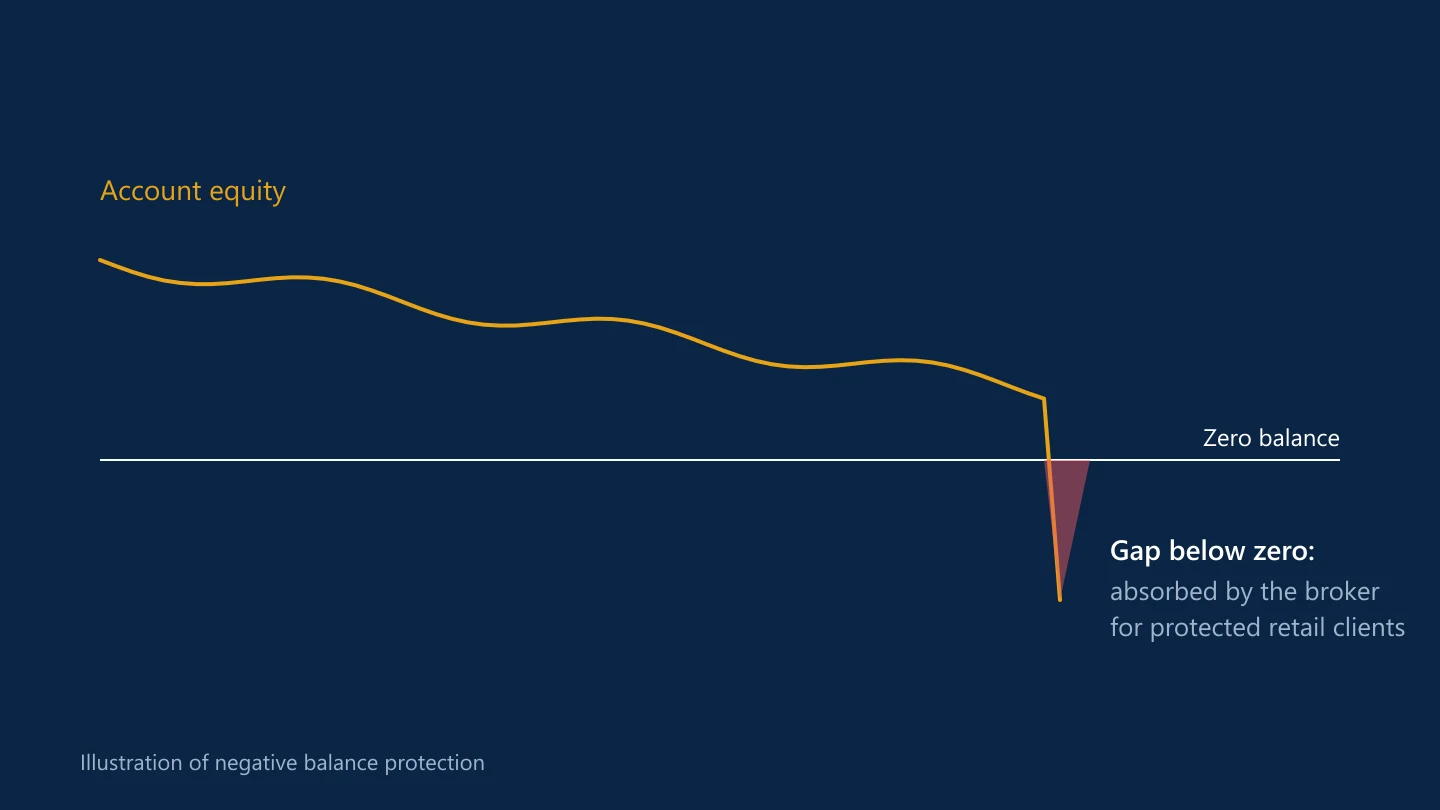
Liquidity vanished as the announcement hit. Prices jumped in large gaps, and many stop-loss orders were filled far beyond their levels. Some retail clients ended up owing money to their brokers, several brokers took heavy losses, and UK broker Alpari went into insolvency.
Lessons that still apply
- A peg or floor can end without warning. Central banks rarely signal the end of a currency commitment in advance, because doing so would trigger the very move they want to avoid (currency intervention explained).
- Stops don't guarantee your exit price. In a gap, a stop becomes a market order at the next available price (where to place a stop-loss).
- Leverage turns gaps into debts. Rules later introduced in the EU, UK and Australia require negative balance protection on retail CFD accounts and cap retail leverage.
- Low volatility can hide risk. EUR/CHF spent long periods in a narrow range just above the floor, which encouraged large positions.
The franc's role as a haven is covered in safe-haven currencies; live prices are on the USD/CHF page.
Sources
Common questions
Why did the SNB remove the EUR/CHF floor in 2015?
The SNB said the monetary policies of the major currency areas had diverged significantly and the euro had weakened against the dollar, so enforcing the CHF 1.20 minimum exchange rate was no longer justified.
When was the Swiss franc floor introduced?
The SNB introduced the minimum exchange rate of CHF 1.20 per euro in September 2011 and discontinued it on 15 January 2015.
What happened to forex brokers after the Swiss franc shock?
Prices gapped so sharply that stop-losses filled far from their levels and some clients' accounts went negative. Several brokers took heavy losses, and Alpari UK entered insolvency.
This article is for information only and is not financial advice. Trading forex and CFDs carries a high risk of losing money. Read the risk warning. Spotted an error? Tell the editors.


Comments
Log in to join the discussion. Comments follow the community guidelines.
Log in to commentLoading comments…