What is a pip? How to calculate pip value, with examples
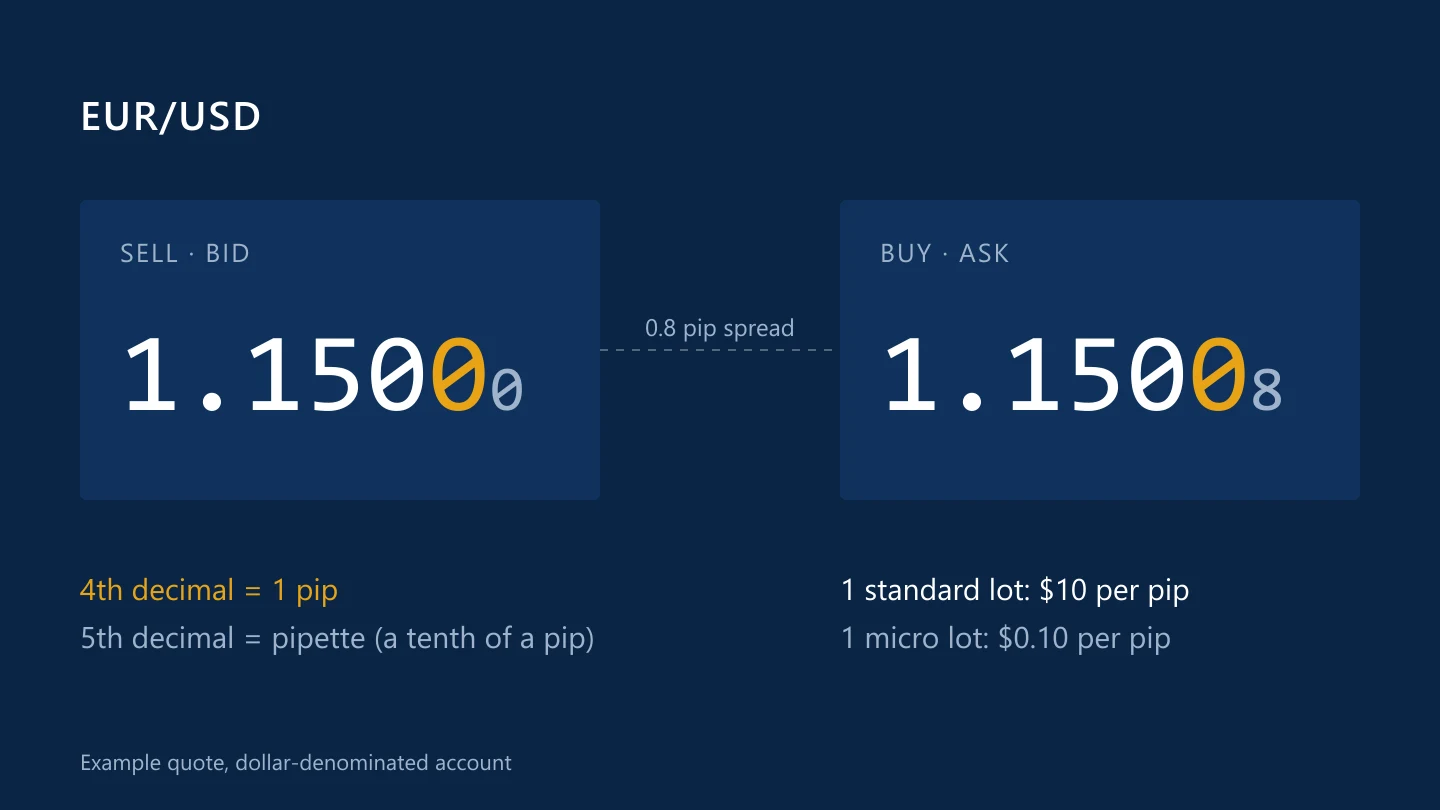
A pip is the smallest standard price step in a currency pair. Here is how pips, pipettes and pip values work on EUR/USD, USD/JPY, crosses and gold.
News
Central bank decisions, economic data, gold and oil, and plain-English guides to how currency trading works. Every article links to its primary sources.
A pip is the smallest standard price step in a currency pair. Here is how pips, pipettes and pip values work on EUR/USD, USD/JPY, crosses and gold.
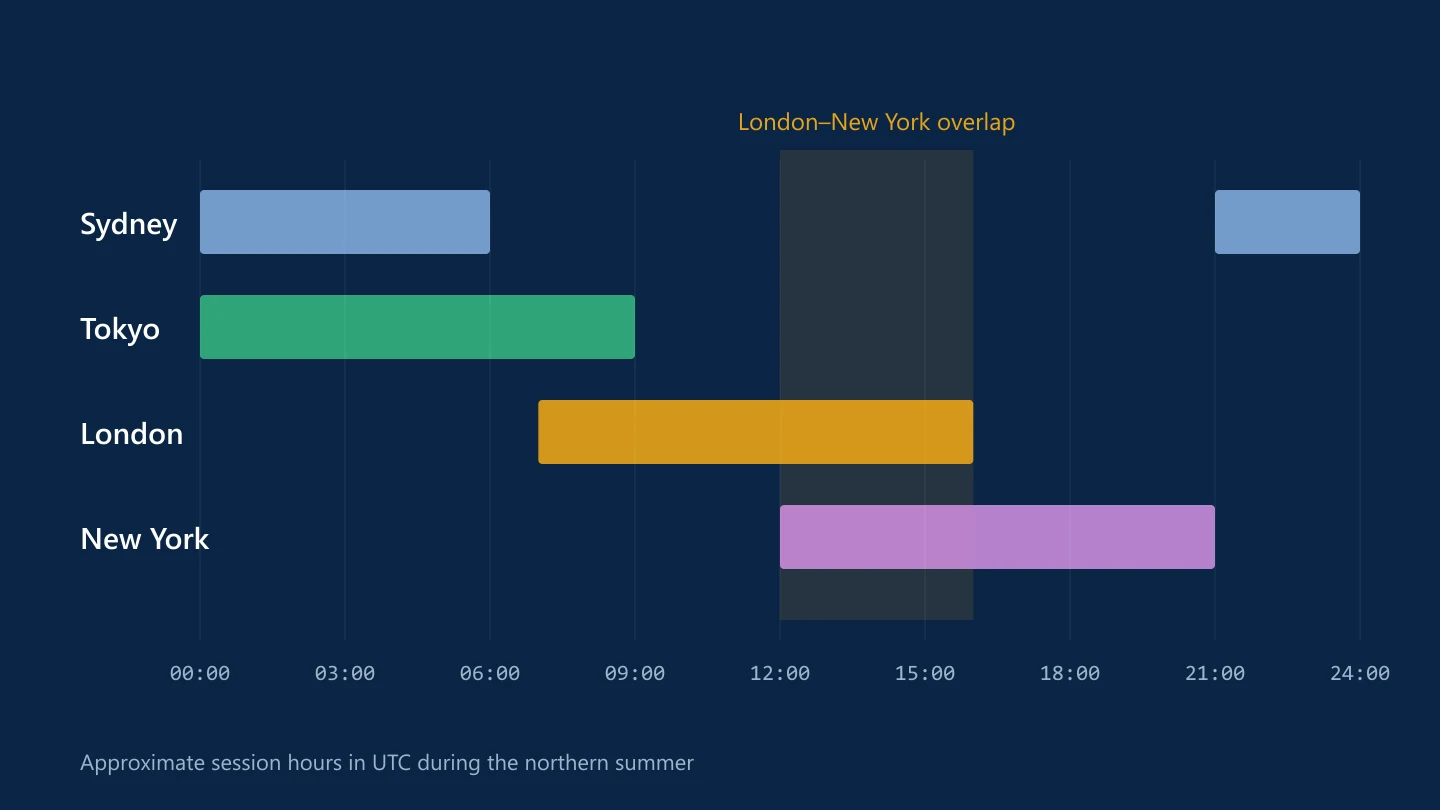
Currencies trade around the clock on weekdays, but not with the same liquidity. Session times in UTC, the overlaps that matter and the daylight-saving trap.
Central bank decisions are the biggest scheduled events in forex. Why rates matter, why a hike can weaken a currency, and what to read beyond the decision.
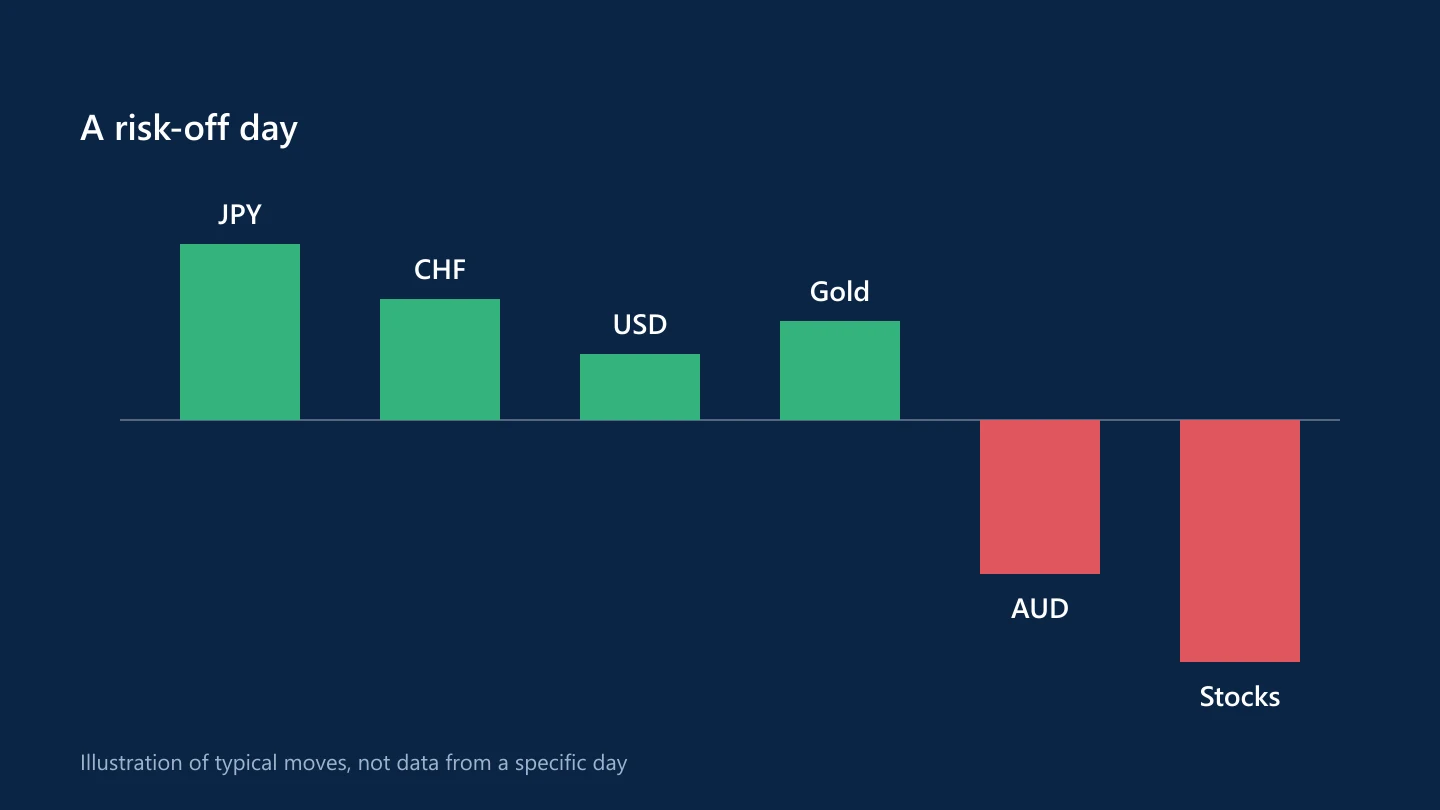
When markets panic, money flows into a few currencies seen as safe. Why the yen, franc and dollar play that role, and when it breaks down.
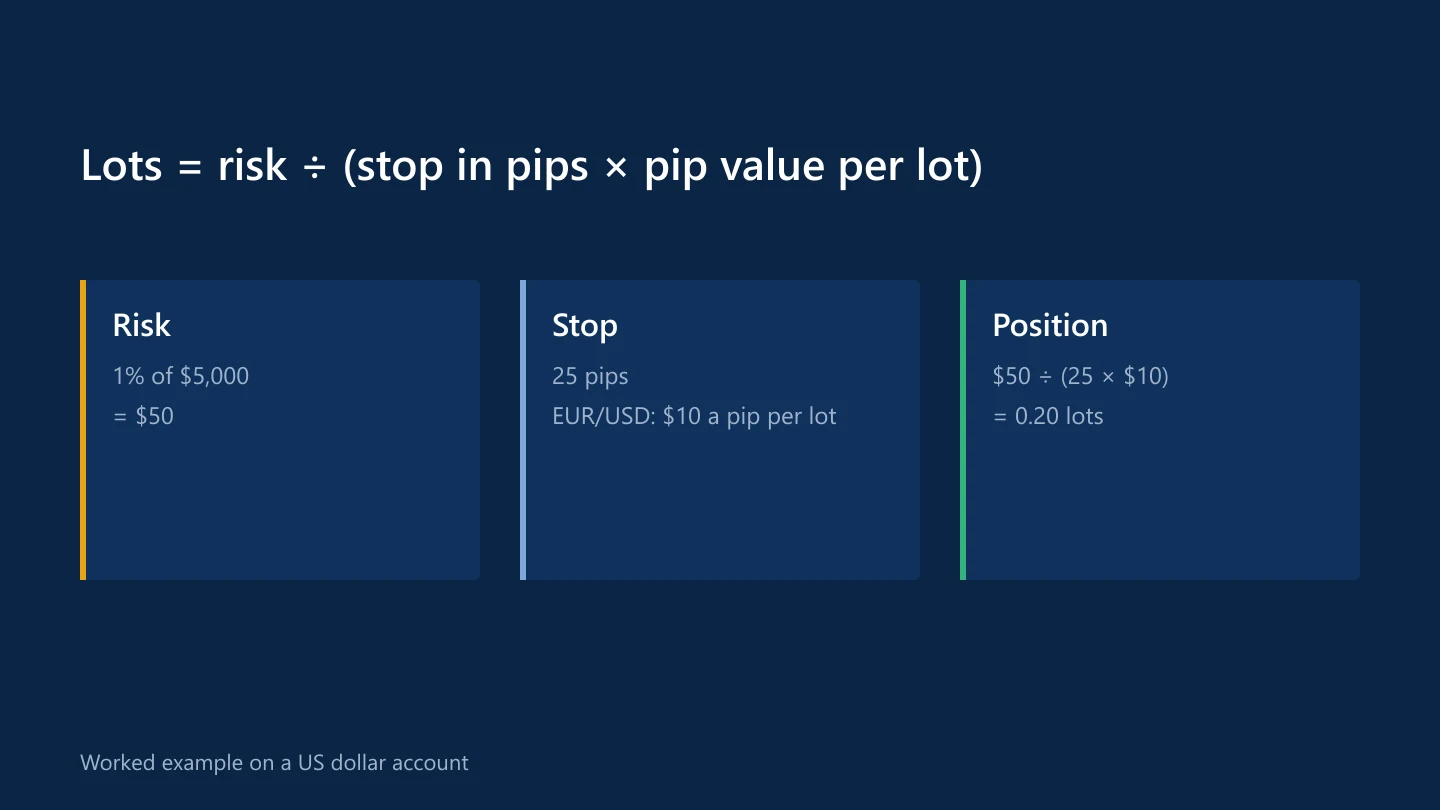
How much you trade matters more than where you enter. A step-by-step method for sizing positions from your stop-loss and the amount you are willing to lose.
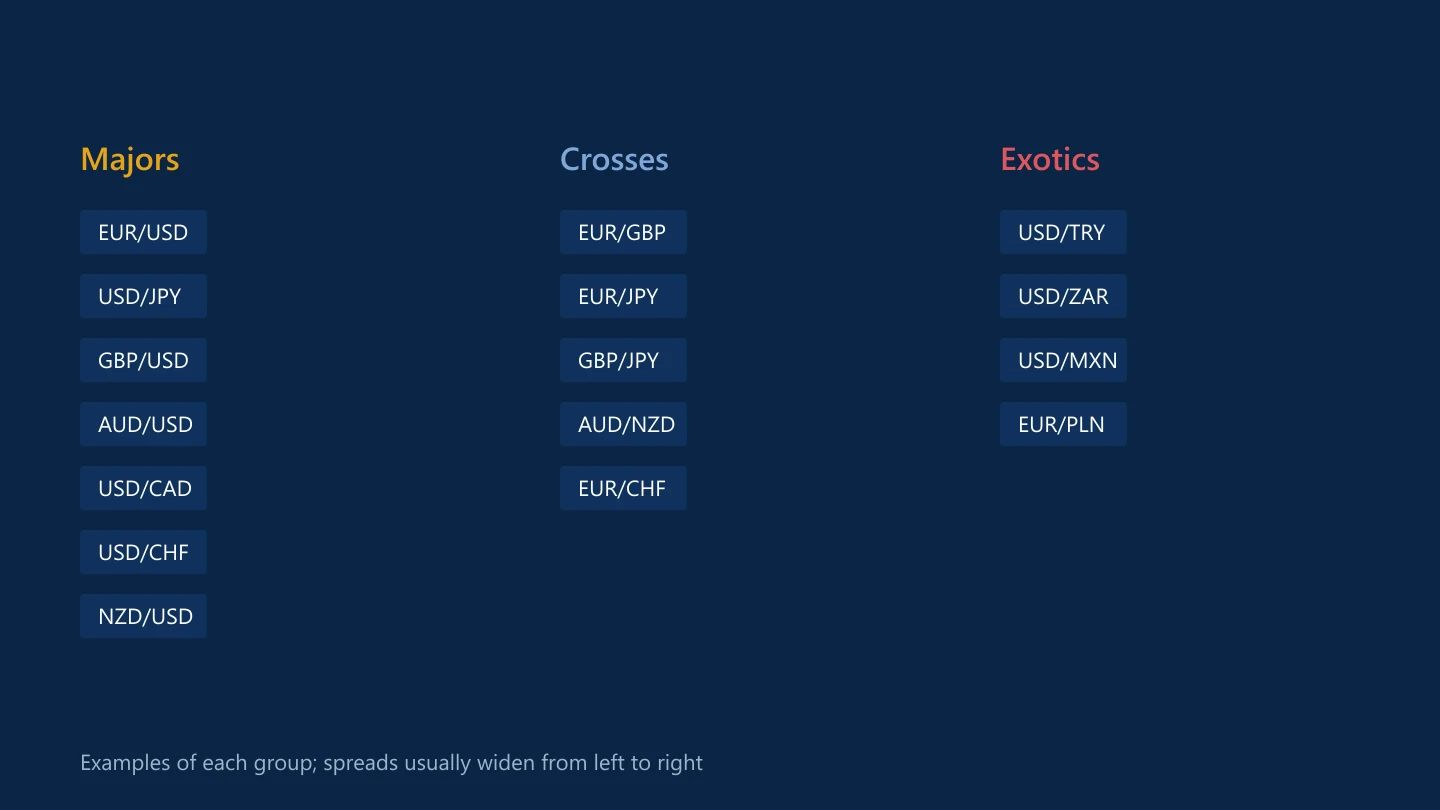
How to read a currency quote, which pairs count as majors, crosses and exotics, and why spreads and risks differ so much between them.
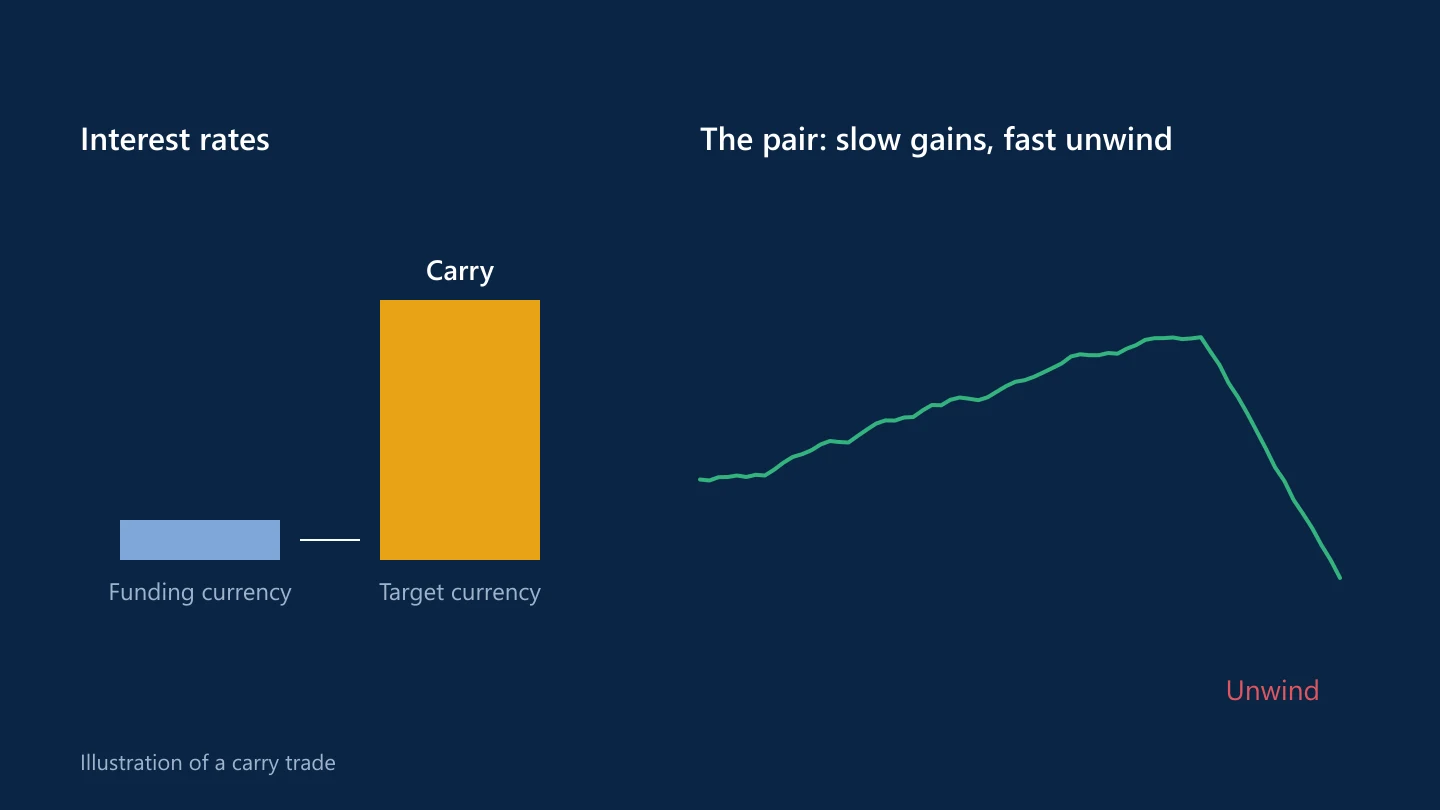
Borrowing in a low-interest currency to hold a high-interest one can earn steady income, until the exchange rate turns. How carry works and where the risk hides.
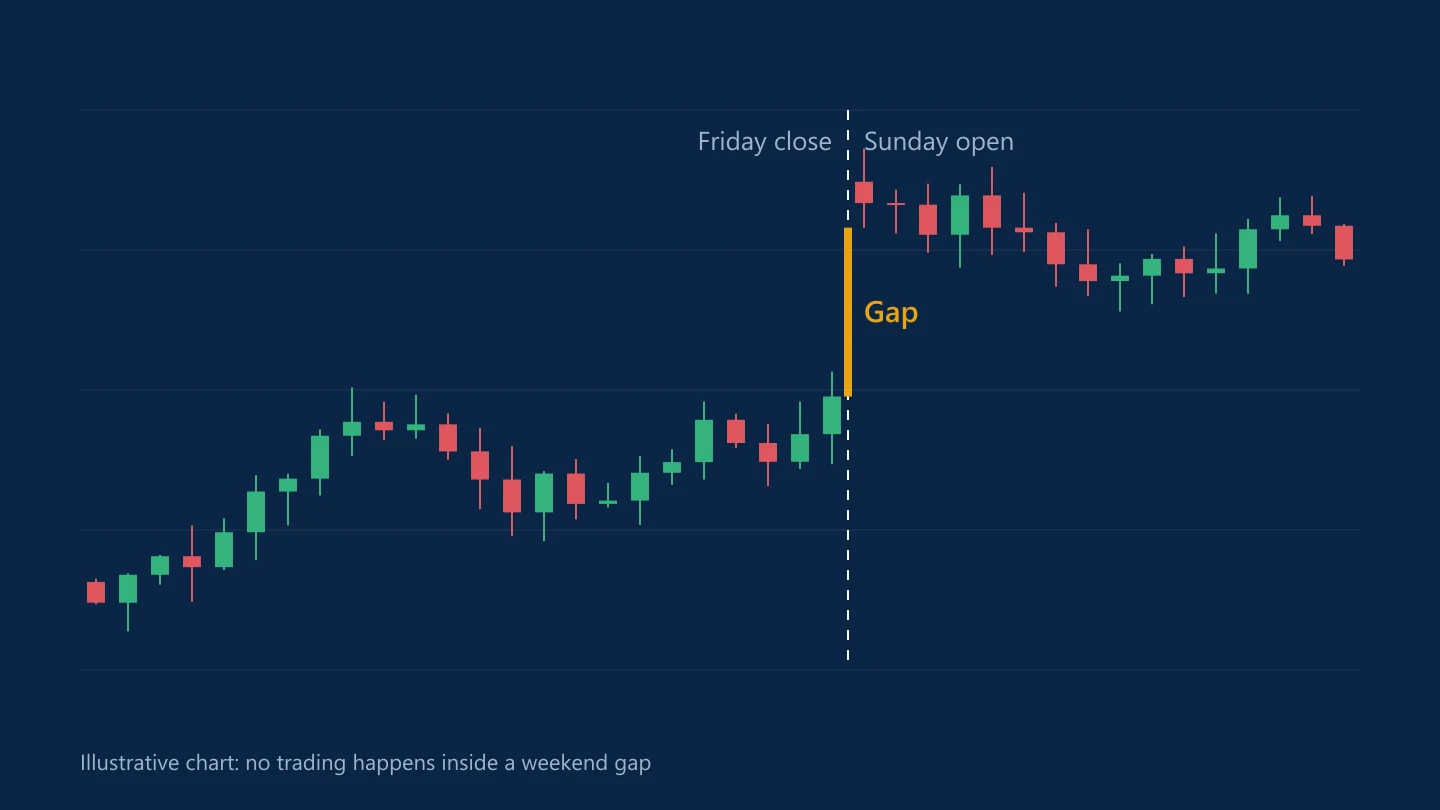
Currencies stop trading on Friday evening, but the news doesn't. What happens to your positions and stops when the market reopens at a different price.
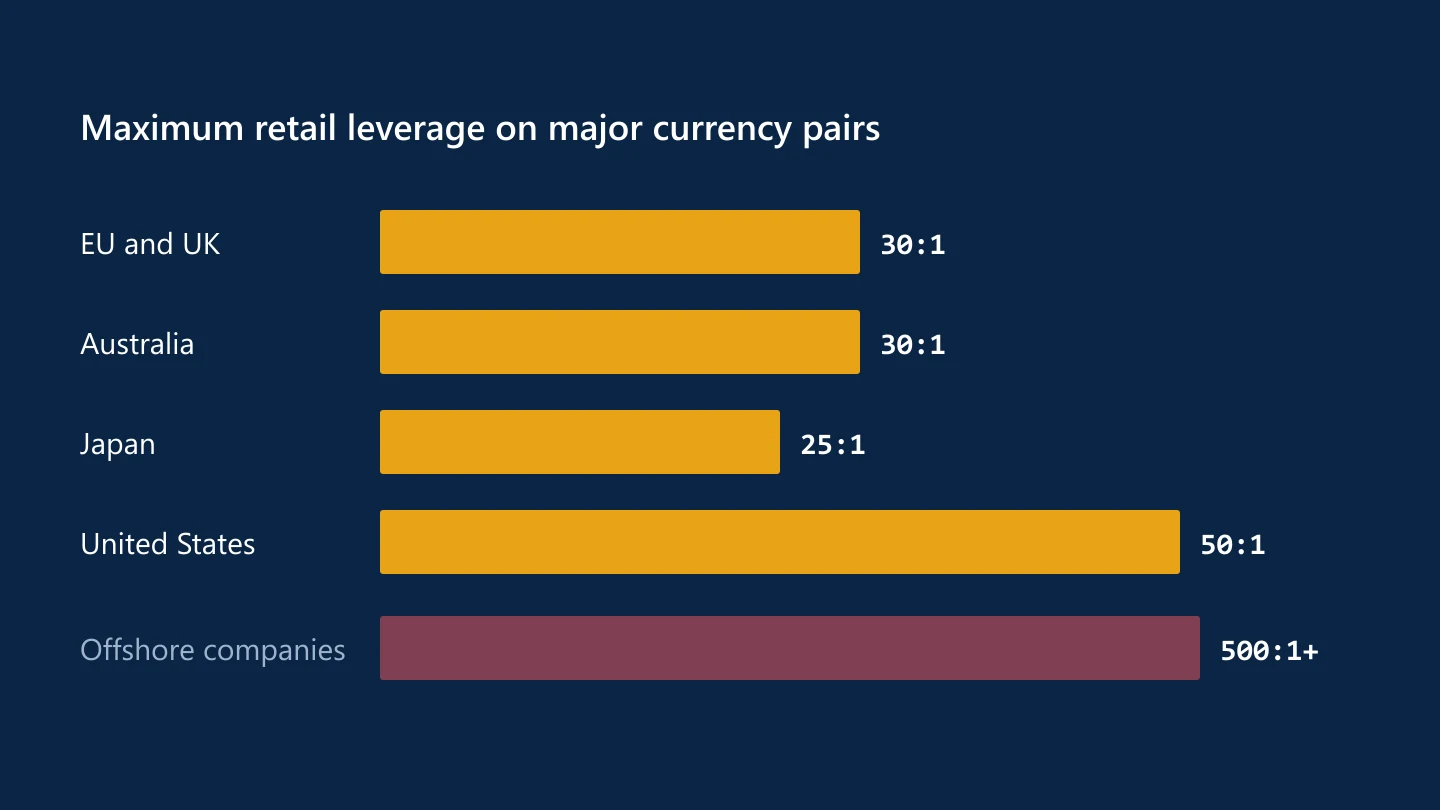
Regulators cap how much leverage brokers can give retail clients. The limits by market and region, and what professional status changes.
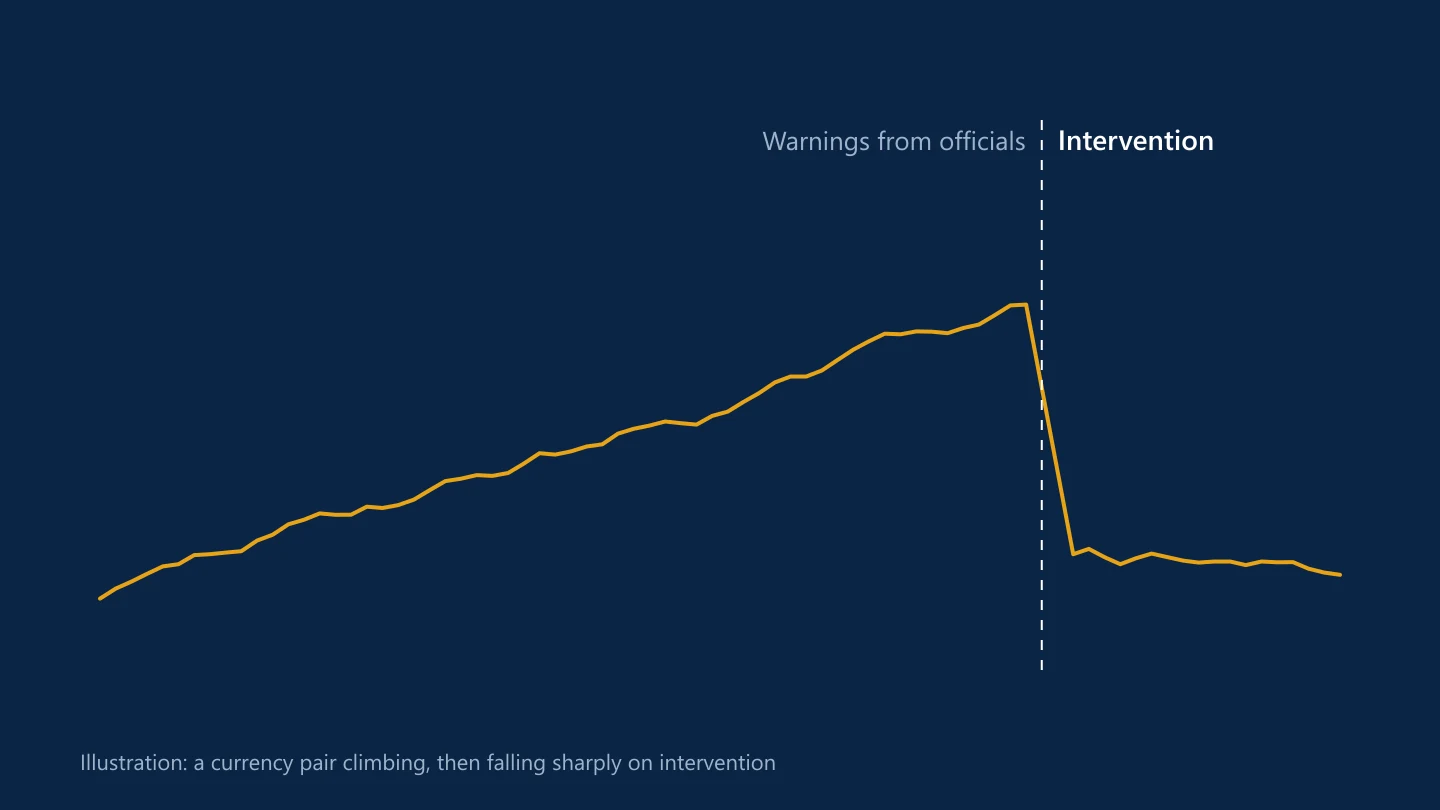
When a currency moves too far, too fast, authorities can buy or sell it directly. How intervention works, Japan's record operations and what it means for traders.