From Bretton Woods to floating exchange rates: 1944, 1971 and 1973
How the post-war system of fixed exchange rates was built at Bretton Woods, why President Nixon closed the gold window in 1971, and how today's floating currency market began.
The foreign exchange market as traders know it, with major currencies moving freely every second, is only about half a century old. For most of the period after the Second World War, exchange rates were fixed by international agreement.
Bretton Woods, 1944
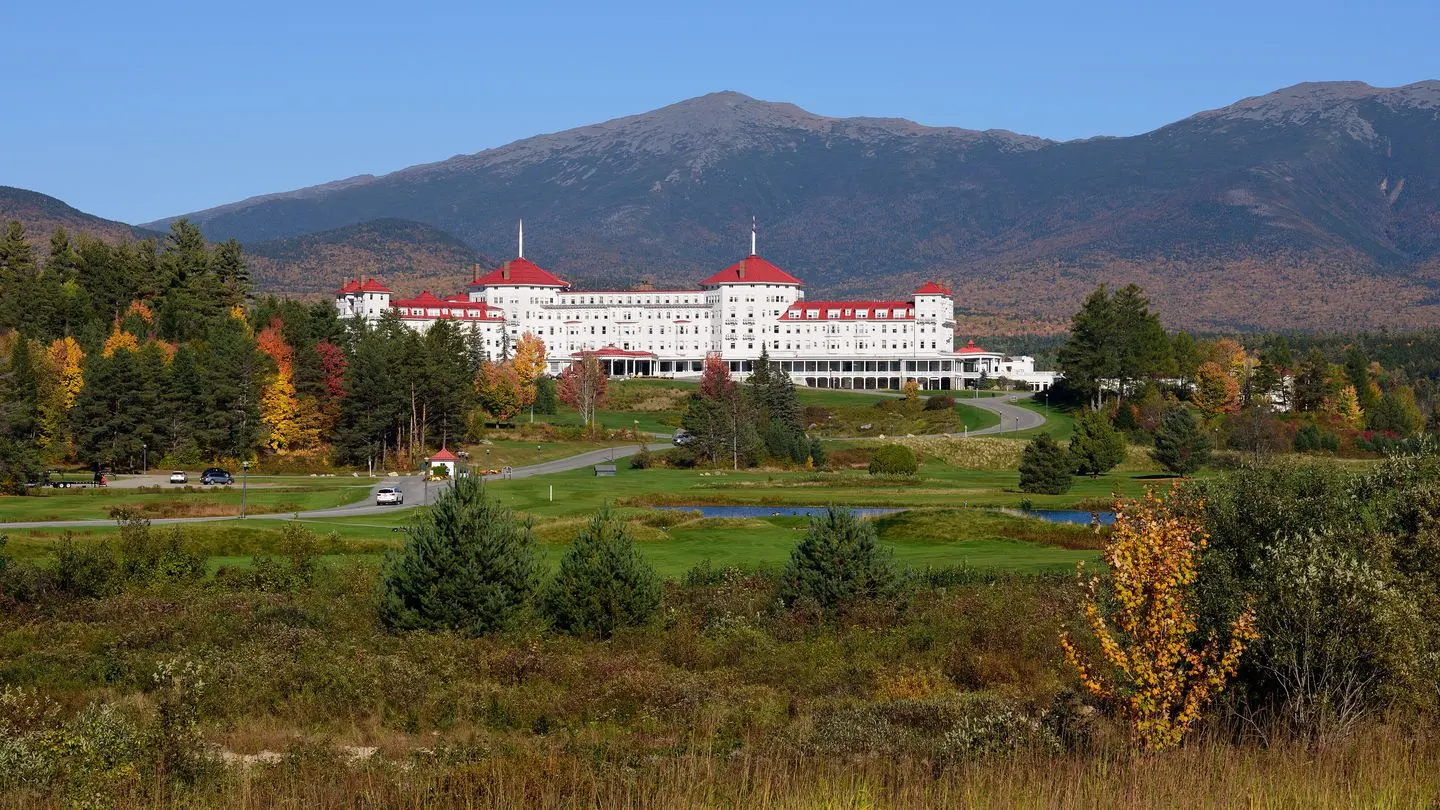
In July 1944, 730 delegates from 44 nations met at the Mount Washington Hotel in Bretton Woods, New Hampshire, to design a post-war monetary system. Its main features:
- Currencies were fixed to the US dollar, adjustable only within a band of 1%.
- The dollar was fixed to gold at $35 an ounce.
- Two institutions were created: the International Monetary Fund, to monitor exchange rates and lend to countries in difficulty, and the International Bank for Reconstruction and Development, now part of the World Bank Group.
The principal architects were John Maynard Keynes, for Britain, and Harry Dexter White of the US Treasury, whose more limited plan largely prevailed.
Strains in the 1960s
The system depended on confidence that dollars could be converted into gold. As dollars held abroad grew and came to exceed US gold reserves, that confidence weakened, and pressure built on the fixed rate.
The Nixon shock, 1971
After a weekend of meetings with advisers at Camp David, President Richard Nixon addressed the nation on the evening of 15 August 1971. His new economic policy had three parts:
- The gold window closed: foreign governments could no longer exchange dollars for gold.
- A 90-day freeze on wages and prices, the first time the US government had imposed wage and price controls outside wartime.
- A 10% surcharge on imports.
Federal Reserve History notes that, in effect, the international monetary system became a fiat one.
Smithsonian Agreement and the move to floating
In December 1971, the Smithsonian Agreement tried to rescue fixed rates with a devalued dollar and wider bands. It didn't last. By March 1973, the major trading nations had allowed their currencies to float freely against each other. That month is still the base period for the ICE US Dollar Index, set at 100 (DXY explained).
What it means today
- Most major currencies float, with prices set by supply and demand, but some remain pegged (the Hong Kong dollar peg).
- Central banks still intervene at times (intervention explained).
- Floating rates created today's market, where turnover averaged $9.6 trillion a day in April 2025 (how big is the forex market).
- Gold, no longer the anchor of the system, trades freely, and its price responds to interest rates, the dollar and demand for safety (what moves gold).
Sources
Common questions
What was the Bretton Woods system?
A post-war international monetary system agreed in July 1944 under which currencies were fixed to the US dollar within a 1% band, and the dollar was fixed to gold at $35 an ounce.
What was the Nixon shock?
On 15 August 1971, President Nixon ended foreign governments' ability to convert dollars into gold, imposed a 90-day wage and price freeze and added a 10% surcharge on imports.
When did exchange rates start floating?
After the Smithsonian Agreement of December 1971 failed to preserve fixed rates, the major trading nations allowed their currencies to float freely in March 1973.
This article is for information only and is not financial advice. Trading forex and CFDs carries a high risk of losing money. Read the risk warning. Spotted an error? Tell the editors.
Comments
Log in to join the discussion. Comments follow the community guidelines.
Log in to commentLoading comments…