US payrolls rose 29,000 and July was revised to a loss. Which number did you act on first?
The September jobs report on 2 October showed payrolls up 29,000 and the unemployment rate at 4.2%, up from 4.1%. Press reports put expectations at about 84,000 to 90,000. The revisions mattered as much: July was cut from +21,000 to −10,000 and August from +162,000 to +133,000, a combined 60,000 fewer jobs than first reported. Average hourly earnings rose 0.1% and are 3.0% higher than a year earlier (full report).
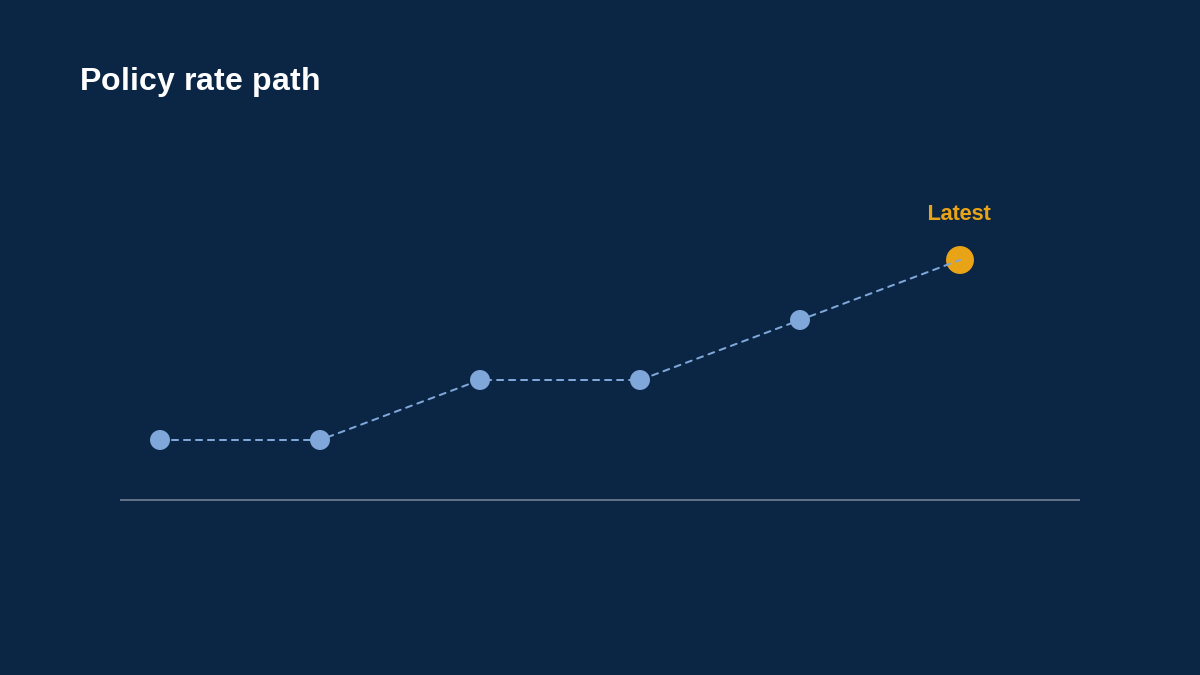
That is a report with several numbers pulling in different directions: a weak headline, a rising unemployment rate that partly reflects higher participation, and negative revisions. On the day, the 2-year Treasury yield closed at 4.83%, from 4.78% the day before, and the 10-year at 5.28%, from 5.24%.
We would like members who traded the release to describe what they actually did:
- Which number did your eye go to first: the headline, the unemployment rate, the revisions or wages?
- Did your first reaction change within the first few minutes as you read the detail?
- Do you keep a rule for which figures matter most for the dollar, or do you decide each month?
- Did you trade at all, or wait for the market to settle?
Non-farm payrolls explained covers the structure of the report, and there is already a general discussion on trading through data revisions. This one is about this particular release, so tell us how it went for you and what you would do differently.
Please share your own reasoning, not calls for others to copy. Posts that promise a direction or sell signals will be removed.
Background: Why economic data get revised after the first release
The first figure in a release is often revised. US GDP is revised in later estimates, and payroll numbers can change in later months. Here is what that means when you read a headline.
Why does GDP get revised?
Later estimates use more complete source data, so the figure can change between the advance, second and third estimates.
Comments
Log in to join the discussion. Comments follow the community guidelines.
Log in to commentLoading comments…