The US fiscal deficit reached $1.99 trillion. Does that change how you read Treasury yields?
The Treasury's September statement closes fiscal 2026 with a deficit of $1.992 trillion, up from $1.775 trillion in fiscal 2025 (deficit report). A larger deficit means more Treasury borrowing, and borrowing needs can influence the term premium that investors demand for holding long-dated bonds.
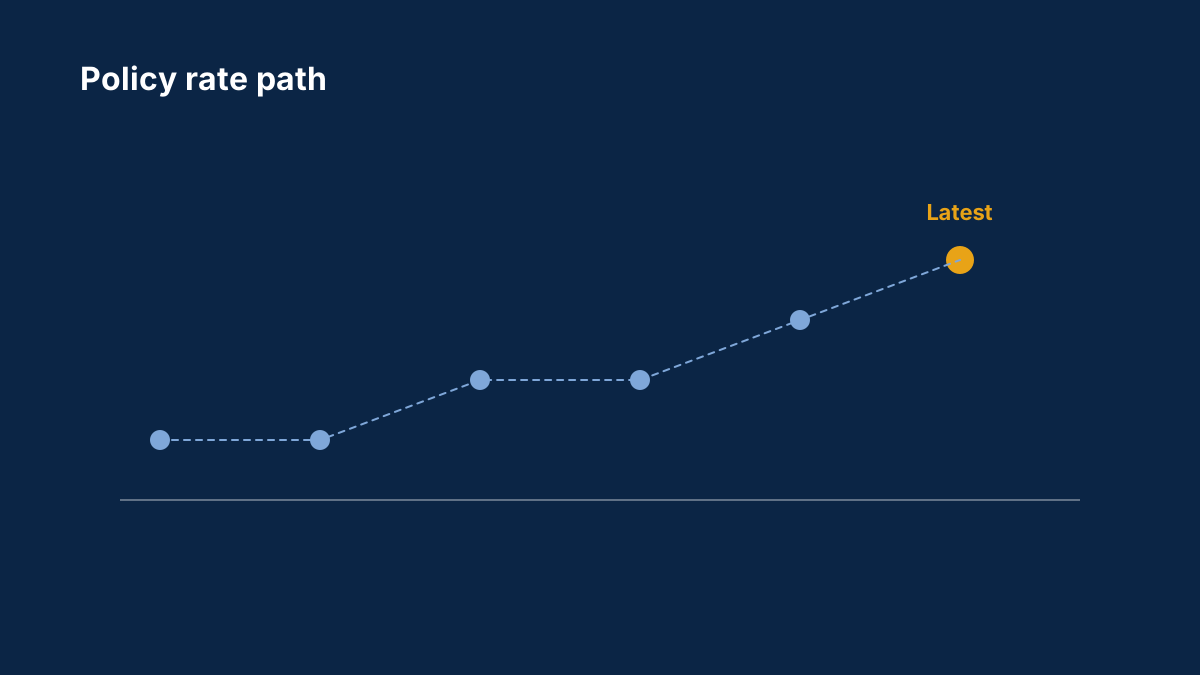
The link is not automatic. Deficits are widely expected, and their effect on yields depends on how much buyers are willing to absorb, on expected inflation and on the path of policy rates.
We would like to hear how you think about it:
- Do you track the deficit or Treasury issuance when you read long-dated yields?
- Have you seen the deficit feed into the term premium, or does the Fed's policy path dominate?
- How do you test whether a fiscal story is moving the dollar?
- Which Treasury release do you check each month?
How the 10-year yield moves forex covers the link to currencies.
The $1.992 trillion figure is the total for the whole fiscal year, not one month, and the Treasury's statement reports the year-on-year change. Would a sustained deficit of that size change your view of long-dated yields, or does the Fed's rate path matter more? Which Treasury release do you check each month, and why?
Please share your own approach and reasoning, not calls for others to copy. Posts that promise a direction or sell signals will be removed.
Background: How the 10-year Treasury yield moves forex
Traders say 'watch the 10-year' as if it were obvious — and for the dollar pairs it nearly is. Here is what the yield actually measures, how it reaches currencies, and which pairs track it closest.
Why does the 10-year Treasury yield move currencies?
Because it bundles the market's expectations for the Fed's path, inflation and risk. A policy-driven rise widens the US rate advantage and lifts the dollar; other drivers produce different effects.
Which currency pair tracks the 10-year yield most closely?
USD/JPY — the pair and the 10-year move together so reliably that a divergence between them is a signal in itself. The yen's low yield makes the pair a pure expression of the rate gap.
Comments
Log in to join the discussion. Comments follow the community guidelines.
Log in to commentLoading comments…