Euro area output fell 0.5% in August. Does production data ever change your view of the euro?
Eurostat's first estimate shows euro area industrial production down 0.5% on July in August, and 1.1% lower than a year earlier. The fall is concentrated in non-durable consumer goods (−2.7%) and intermediate goods (−0.8%), while capital goods rose 0.4% (output report). Belgium fell 5.1% in the month.
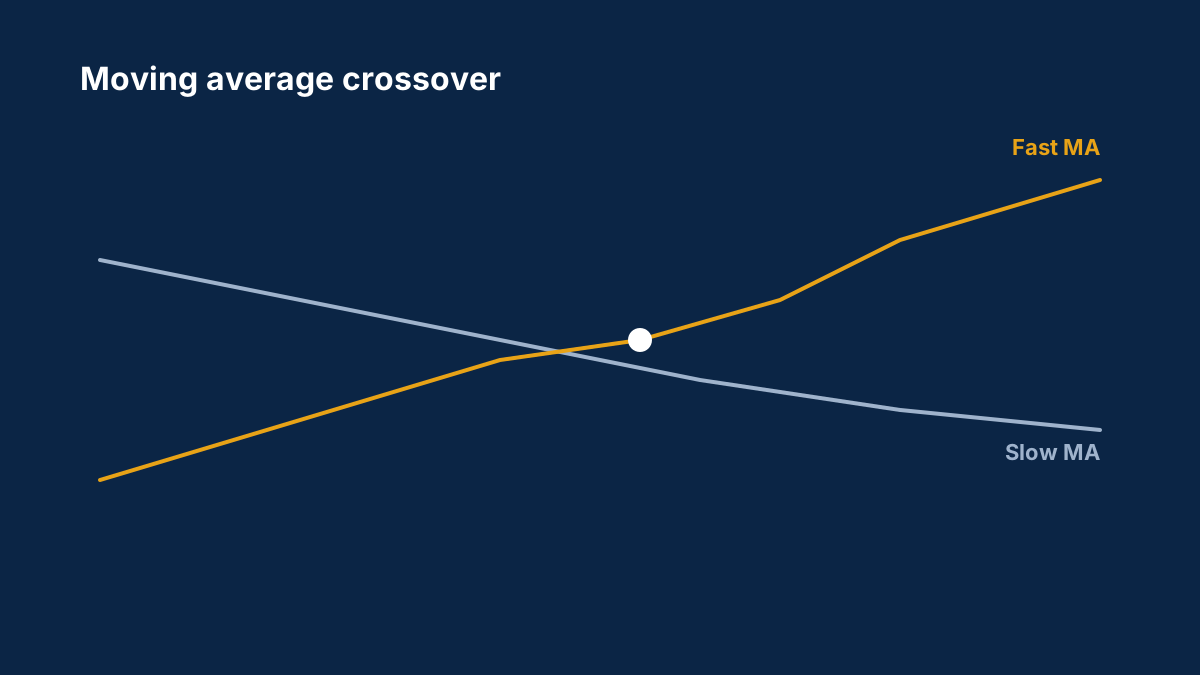
Production data are often revised and volatile, and they describe the past. Euro traders often treat them as background, not as triggers. But a run of falls can shift the policy outlook, which matters for the currency.
We would like to hear how you use production data:
- Do you trade euro area industrial production at all, or ignore it?
- How many months of declines would you need before you changed your view of the euro?
- Which production subcomponent do you find most useful, and why?
- Have you seen the euro react to production data, and did the reaction last?
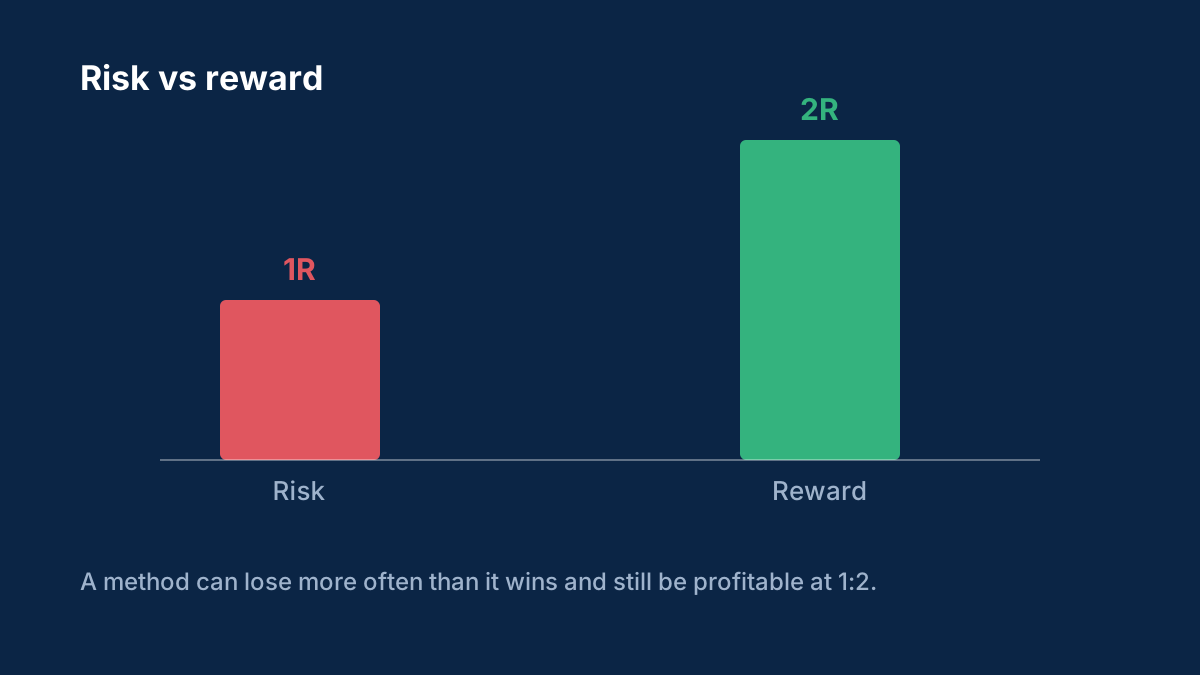
How to trade EUR/USD covers the pair.
A single monthly fall of 0.5% is small compared with the volatility of this series, and the euro area total hides large country moves, such as Belgium's 5.1% fall. Would you look at the three-month change instead of the monthly one, and how far back would you go?
Please share your own approach and reasoning, not calls for others to copy. Posts that promise a direction or sell signals will be removed.
Background: How to trade EUR/USD: the complete beginner's guide
EUR/USD is the most traded currency pair in the world, with the tightest spreads and the deepest liquidity. Here is what moves it, when it moves, and how to build a trading plan around it.
What is the best time to trade EUR/USD?
The London open and the London-New York overlap are the pair's most liquid, most tradeable hours. Asian hours are typically quiet and range-bound, and US data releases can move the pair sharply at any time of day.
Is EUR/USD good for beginners?
Yes. It has the tightest spreads, the deepest liquidity and the most available analysis of any pair. Beginners should still start on demo and size positions by risk rather than conviction.
Comments
Log in to join the discussion. Comments follow the community guidelines.
Log in to commentLoading comments…