The euro fell to 0.8377 pounds, its lowest ECB reference since May 2025. Data or positioning?
The ECB's euro reference rate for sterling was 0.8377 pounds per euro on 22 October, the lowest reference rate since 29 May 2025. The euro has lost about 1.9% against the pound since 1 October, when the rate was 0.85373 (EUR/GBP report).
The fixing came before the flash PMIs on 23 October, so it was not a reaction to them. UK CPI rose to 3.5% in September, while euro area inflation was 3.8%. That gap is one of several things that could push the cross, along with rate expectations and positioning, and a daily fixing cannot show which one mattered.
We would like to hear what you think is behind it:
- When EUR/GBP falls to a multi-year low, do you look at data first or at positioning first?
- Do you use the ECB reference rate as a reference, or only live market prices?
- How do UK and euro area inflation prints change how you trade the cross?
- Have you traded EUR/GBP as a range pair, and how did that go?
How to trade EUR/GBP covers the cross in more depth, and how to trade GBP/USD helps if you watch sterling against the dollar as well.
Please share your own approach and reasoning, not calls for others to copy. Posts that promise a direction or sell signals will be removed.
Background: How to trade EUR/GBP: the cross that isolates Europe
EUR/GBP removes the dollar and trades the euro against sterling on their own merits — two central banks, two inflation stories, one pair. Here is how it works and how to trade it.
What moves EUR/GBP?
The relative stories of the euro area and the UK: the ECB's path versus the Bank of England's, their inflation and growth data, and political events on either side of the Channel. Dollar moves barely touch it.
Why does EUR/GBP range so much?
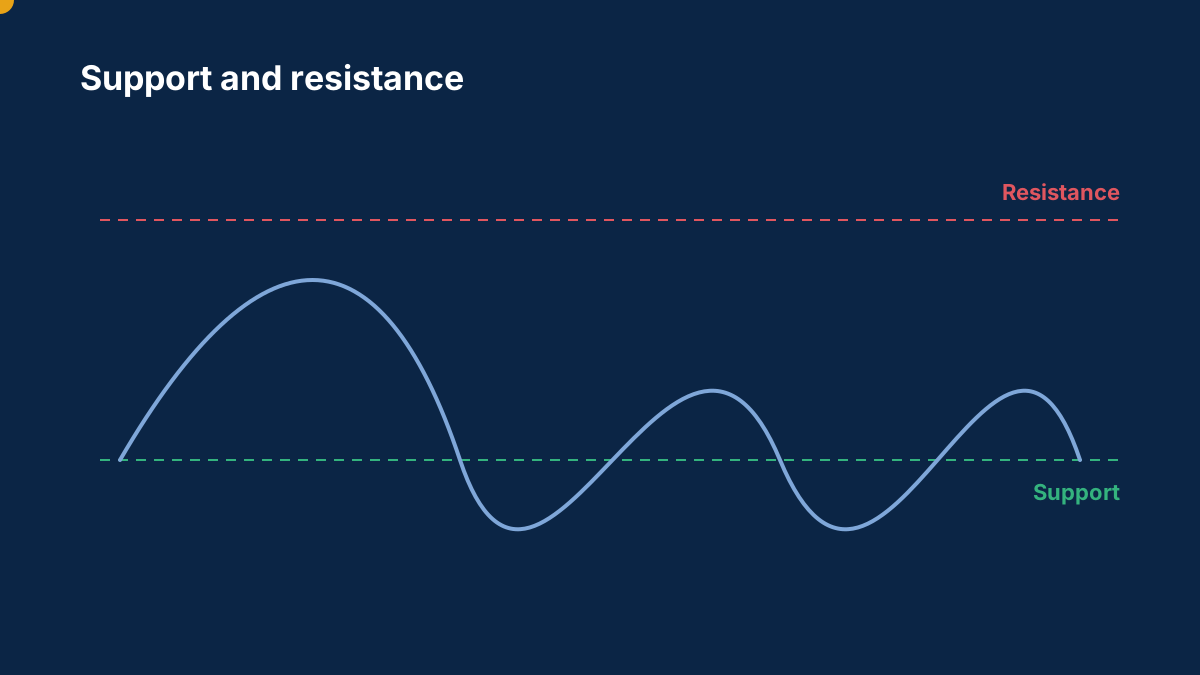
The two economies are large, integrated and rarely diverge far for long, so the cross spends most of its time between well-defined levels. Range-trading approaches suit it better than trend systems.
Comments
Log in to join the discussion. Comments follow the community guidelines.
Log in to commentLoading comments…