The 10-year Treasury yield fell from 5.31% to 5.09% in eight sessions. Do you need a reason before you trade it?
Treasury's daily par yield curve shows the 10-year yield at 5.31% on 5 October and 5.09% on 16 October, a fall of 22 basis points. The 2-year yield fell from 4.84% to 4.74% over the same period (yields report). The data show the move, not its cause, and the release itself does not explain it.
Traders often say they need a reason before they act. Others say the price already reflects every reason, so the chart is the only input they need.
We would like to hear how you approach it:
- When a move has no clear cause, do you trade it, wait for confirmation or stay out?
- Which data do you check first when yields move without a headline?
- Does the 10-year yield change how you read EUR/USD or USD/JPY, and how do you test that?
- Have you ever traded a yield move that turned out to be a technical reaction rather than news?
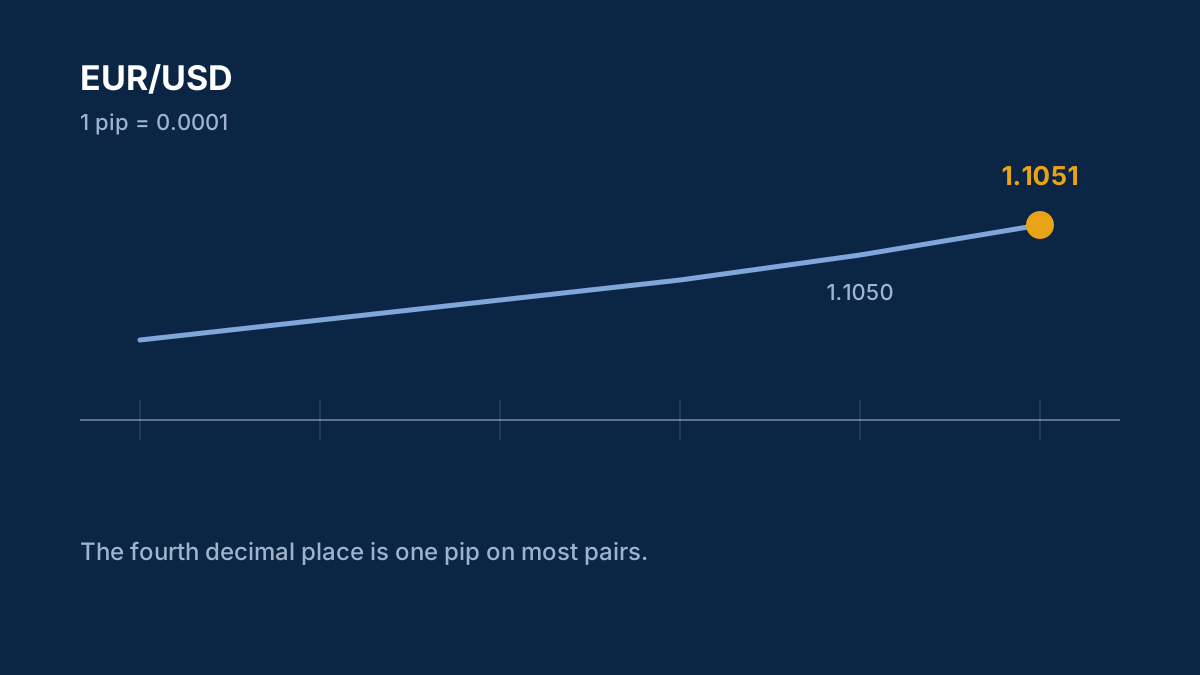
Bond yields and exchange rates covers the basic link.
The largest one-day move in this period was on 15 October, when the 10-year yield fell 9 basis points, the day after the consumer price report. Did you trade that session, and was your reason written down before the trade or assembled afterwards?
Please share your own approach and reasoning, not calls for others to copy. Posts that promise a direction or sell signals will be removed.
Background: How interest rate decisions move currencies
Central bank decisions are the biggest scheduled events in forex. Why rates matter, why a hike can weaken a currency, and what to read beyond the decision.
Does a rate hike always strengthen a currency?
No. If the hike was fully expected, it is already in the price. The currency can even weaken if the central bank signals that it won't raise rates further.
What does hawkish mean?
Leaning towards higher interest rates to control inflation. A hawkish surprise usually supports the currency.
Comments
Log in to join the discussion. Comments follow the community guidelines.
Log in to commentLoading comments…