US producer prices rise 0.4% in August, led by a surge in diesel
Final demand prices were 5.4% higher than a year earlier. Goods prices rose 1.1% on the month, with diesel fuel up by more than 24%.
The US producer price index for final demand rose 0.4% in August 2026, the Bureau of Labor Statistics reported on 10 September. Over the twelve months to August, final demand prices rose 5.4%.
Where the increase came from
- Final demand goods rose 1.1% on the month.
- Final demand services rose 0.1%.
- Intermediate demand: the index for stage 1 intermediate demand, an early point in the production chain, rose 1.4% after falling 0.1% in July.
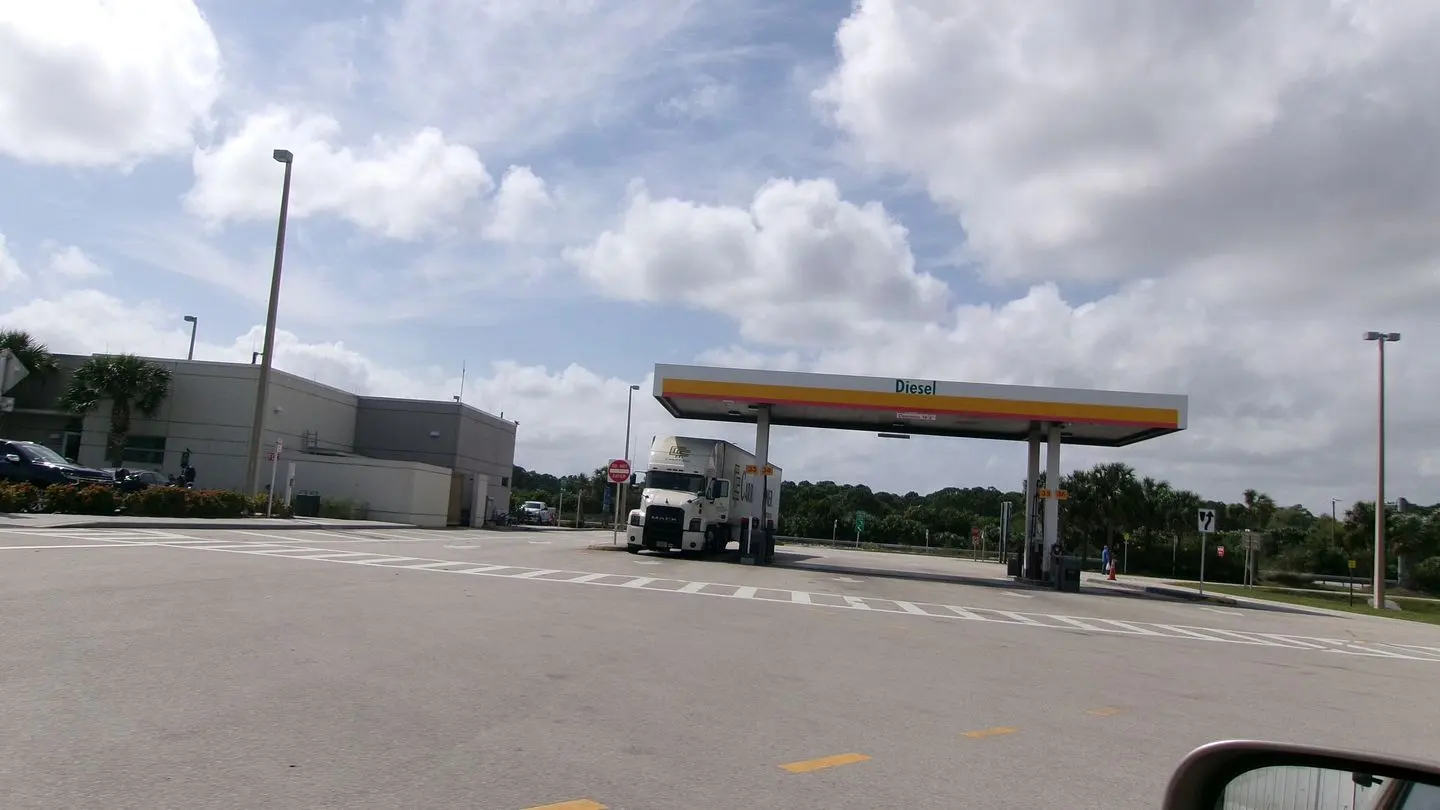
Among goods, the BLS pointed to higher prices for diesel fuel, nonferrous scrap, basic organic chemicals, jet fuel, gasoline and truck transportation of freight. Diesel fuel prices rose by more than 24% in the month. Those increases outweighed declines in the indexes for fuels and lubricants retailing, iron and steel scrap, and portfolio management.
Why currency traders watch producer prices
Producer prices measure what businesses receive for their output. They are more volatile than consumer prices, but they can show inflation building up in the supply chain before it reaches shoppers. When energy costs rise this quickly for freight and industry, part of the increase can pass through to consumer prices over the following months.
A day after this release, consumer price data showed US inflation at 3.4% in August. Together, the two reports frame the inflation debate at the Federal Reserve's meeting on 15–16 September.
Next release
The BLS schedules the September producer price report for 15 October 2026.
Sources
Common questions
What was the US PPI in August 2026?
The producer price index for final demand rose 0.4% on the month and 5.4% over twelve months.
What is the difference between PPI and CPI?
The PPI measures prices received by domestic producers for their goods and services, while the CPI measures prices paid by consumers. Changes in producer prices can pass through to consumer prices with a delay.
This article is for information only and is not financial advice. Trading forex and CFDs carries a high risk of losing money. Read the risk warning. Spotted an error? Tell the editors.
Comments
Log in to join the discussion. Comments follow the community guidelines.
Log in to commentLoading comments…