Yen intervention risk: how do you trade around it?
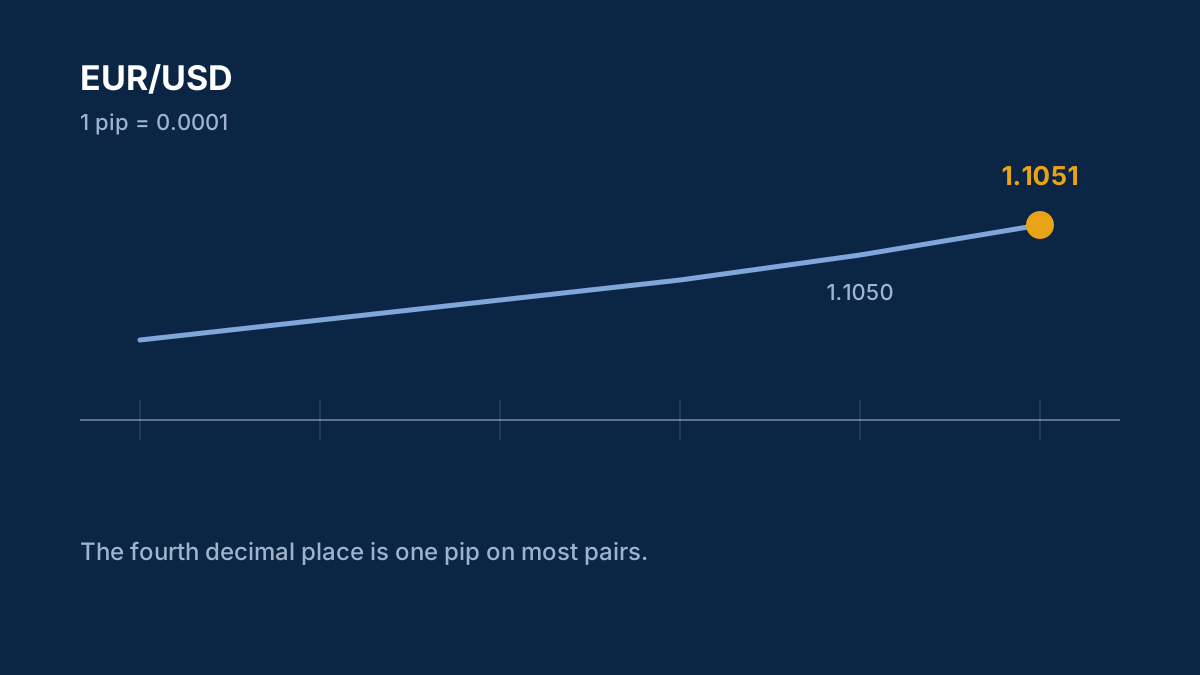
Japanese authorities have shown they will intervene to support the yen, and intervention arrives without warning. Trading USD/JPY now means carrying tail risk that a calm afternoon becomes a several-hundred-pip minute.
What's your approach?
- how you size yen positions given the tail risk
- the warning signs you watch for intervention
- whether you trade yen crosses instead, and why
The intervention guide covers the mechanics and history.
Background: When currency intervention works — and when it fails
Central banks sometimes buy or sell their own currency to move it — and the results range from decisive to futile. Here is what intervention is, when it succeeds, and the tell-tale signs to watch.
What is currency intervention?
A central bank or finance ministry buying or selling its own currency to move the exchange rate — buying to strengthen it, selling to weaken it. The goal is to change direction or cap extremes, not to set the rate permanently.
When does intervention succeed?
When it fights crowded, one-sided positioning, has the fundamentals' tailwind, and is credible — surprising, coordinated or at least verbally prepared. Alignment with policy multiplies the effect.
Comments
Log in to join the discussion. Comments follow the community guidelines.
Log in to commentLoading comments…