Oil strategies: do you trade crude itself or the oil pairs?
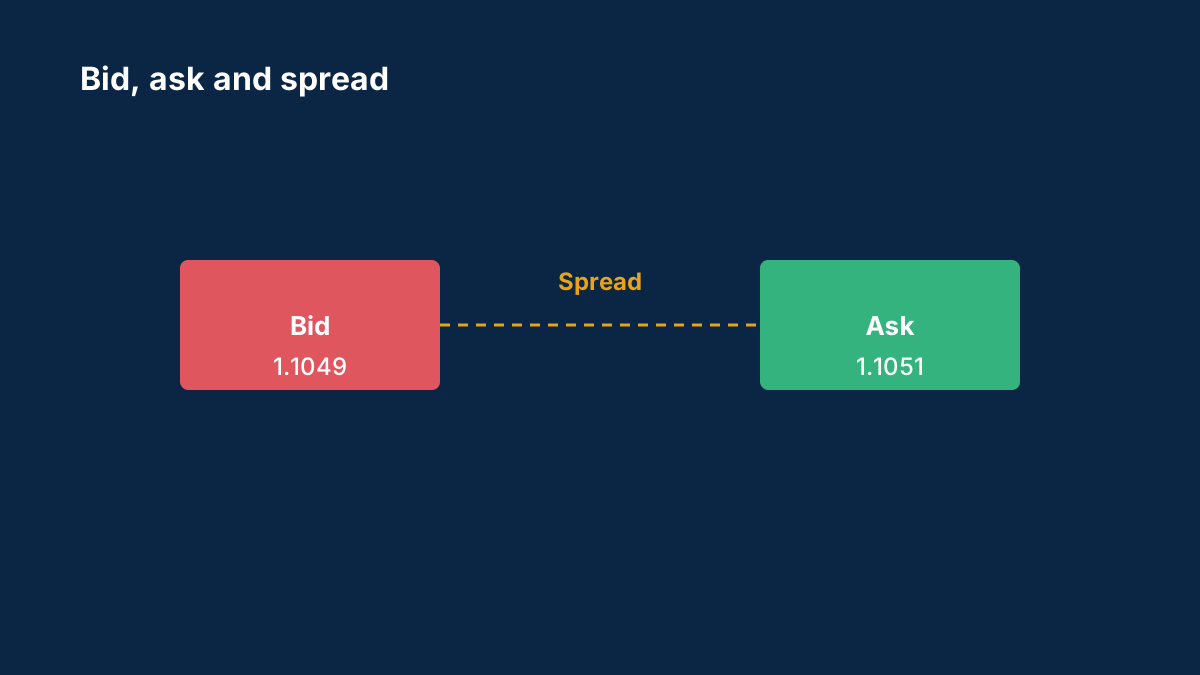
Trading oil via CFDs is direct but spreads and rollover hurt; trading the oil-linked pairs (CAD, NOK, RUB-adjacent crosses) is indirect but spreads are tighter. Each route has its own signal decay.
Which do you use?
- the instrument and why
- how you read the oil signal into the pair
- where the relationship breaks down
The oil and CAD guide traces the main transmission.
Background: Oil and currencies: why crude prices move the Canadian dollar
Crude oil links energy markets to currencies through trade, inflation and interest rates. How that works for the Canadian dollar, and why the link isn't fixed.
Why does oil affect the Canadian dollar?
Crude oil is one of Canada's largest exports. Higher prices increase export earnings and demand for Canadian dollars, and they also affect inflation and interest rate expectations.
Does USD/CAD go down when oil goes up?
Often, because a stronger Canadian dollar pushes USD/CAD lower. But the relationship isn't fixed: interest rates, trade relations and risk sentiment can outweigh oil.
Comments
Log in to join the discussion. Comments follow the community guidelines.
Log in to commentLoading comments…