The Plaza Accord of 1985: when five nations agreed to push the dollar down
On 22 September 1985 the finance ministers and central bank governors of five major economies agreed the dollar should fall. How the Plaza Accord worked, what followed and why traders still mention it.
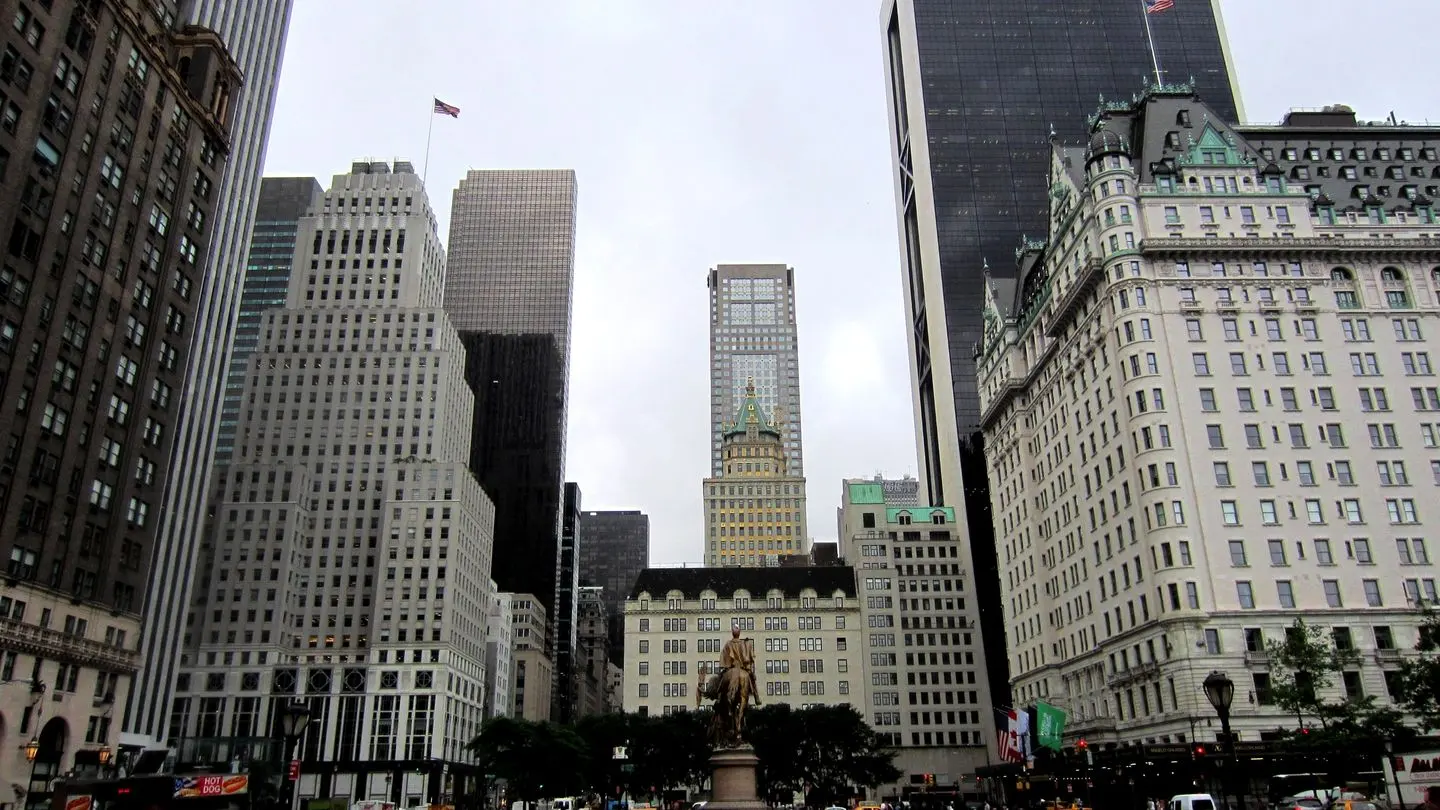
On 22 September 1985, the finance ministers and central bank governors of France, West Germany, Japan, the United Kingdom and the United States met at the Plaza Hotel in New York. Their statement said that some further orderly appreciation of the main non-dollar currencies against the dollar was desirable, and that they stood ready to cooperate more closely to encourage it. The agreement became known as the Plaza Accord.
The problem: a very strong dollar
In the first half of the 1980s the dollar rose steeply, helped by high US interest rates. American manufacturers struggled to compete, the US trade deficit widened, and pressure grew in Congress for protectionist measures. The five governments wanted to bring the dollar down in an orderly way before trade restrictions took hold.
What each country committed to
The statement paired the currency goal with policy pledges. Among them:
- United States: reduce the budget deficit and pursue tax reform
- Japan: open its markets to foreign goods, deregulate and stimulate domestic demand
- West Germany: cut taxes and reduce the public sector's share of the economy
- France: continue disinflation and control public spending
- United Kingdom: pursue price stability and reduce public spending
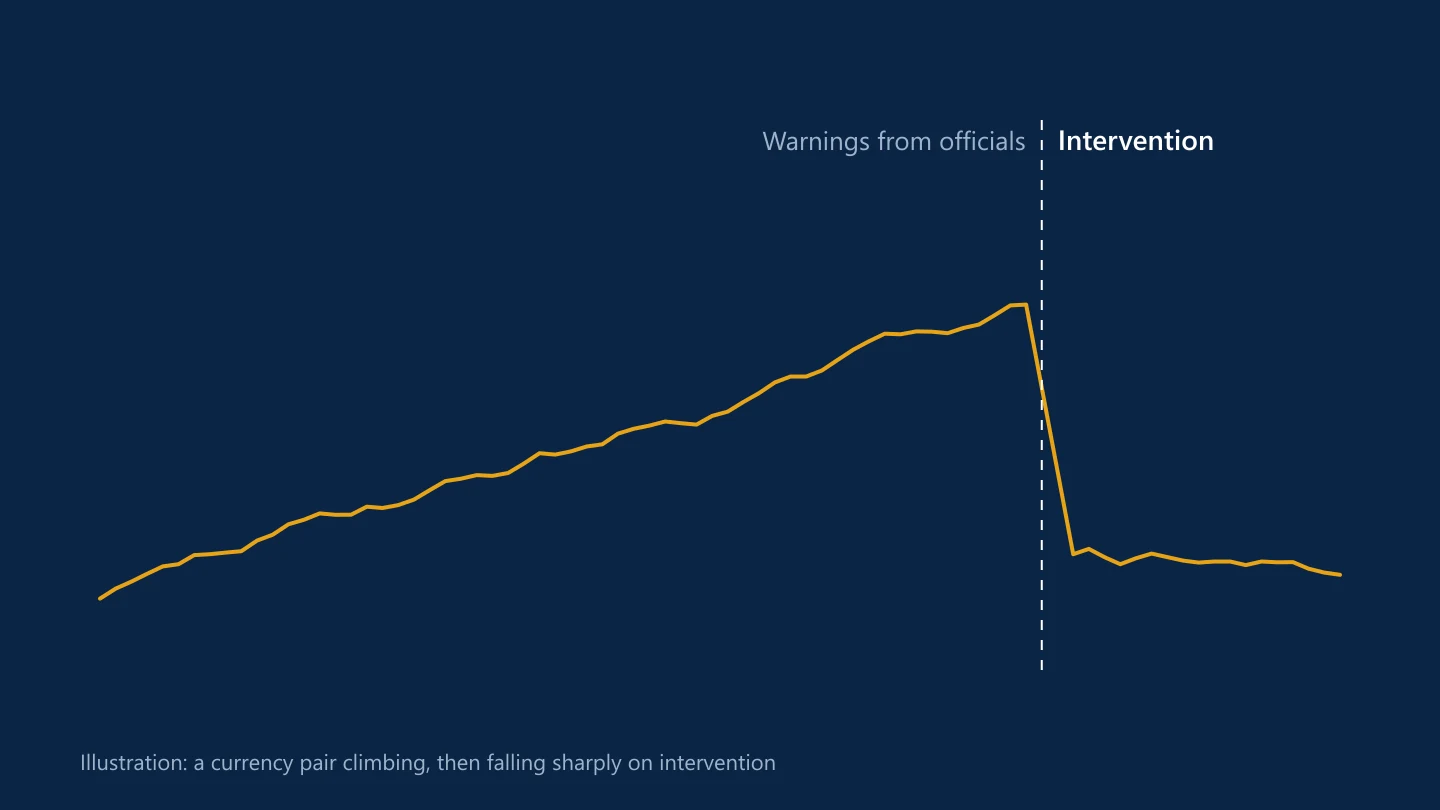
All five committed to resisting protectionist pressure. Coordinated intervention, with central banks selling dollars, followed.
What followed
The dollar, which had already peaked earlier in 1985, fell substantially over the next two years, particularly against the yen and the Deutsche Mark. By early 1987 the concern had reversed: in the Louvre Accord of February 1987, the major economies agreed that exchange rates should be stabilised around their current levels.
In Japan, the sharp rise of the yen hurt exporters. Many economists link the loose monetary policy that followed to Japan's asset price bubble of the late 1980s, although the causes are still debated.
Why traders still talk about it
Whenever a currency moves far enough to worry governments, markets start to speculate about a "new Plaza". The accord shows that:
- Coordinated action carries more weight than one country acting alone, because it combines several central banks' resources and signals shared intent. The joint Japan–US operation to support the yen in 2026 is a recent example (report).
- Intervention works best with the trend. The dollar had already started to fall before the Plaza meeting.
- Policy pledges matter. Markets watch whether governments back currency statements with changes to interest rates and budgets.
For how intervention works in practice, see currency intervention explained. The dollar's value against a basket of currencies is tracked by the US Dollar Index.
Sources
Common questions
What was the Plaza Accord?
An agreement announced on 22 September 1985 by the finance ministers and central bank governors of France, West Germany, Japan, the UK and the US that the main non-dollar currencies should appreciate against the dollar, backed by policy commitments and intervention.
Why was the Plaza Accord agreed?
The dollar had risen steeply in the early 1980s, widening the US trade deficit and raising pressure for protectionist trade measures. The five countries wanted an orderly fall in the dollar instead.
What was the Louvre Accord?
A February 1987 agreement among major economies to stabilise exchange rates after the dollar's large fall following the Plaza Accord.
This article is for information only and is not financial advice. Trading forex and CFDs carries a high risk of losing money. Read the risk warning. Spotted an error? Tell the editors.

Comments
Log in to join the discussion. Comments follow the community guidelines.
Log in to commentLoading comments…