What pattern in your own trading journal surprised you most when you finally reviewed it?
Keeping a journal is one thing; reading it back is another. Many traders say the value came not from any single trade but from what showed up across dozens of them: the time of day they trade worst, the pair where they give back gains, or a habit of moving stops that they hadn't noticed.
How to keep a trading journal lists what to record for each trade. The review is where the learning happens, and the most useful reports are specific and honest.
We would like members who keep a journal to share what they found. You don't need to post any account figures.
- What fields do you record beyond entry, exit and result: the reason for the trade, the session, your mood, whether you followed your plan?
- How often do you review, and how many trades do you need before you trust a pattern?
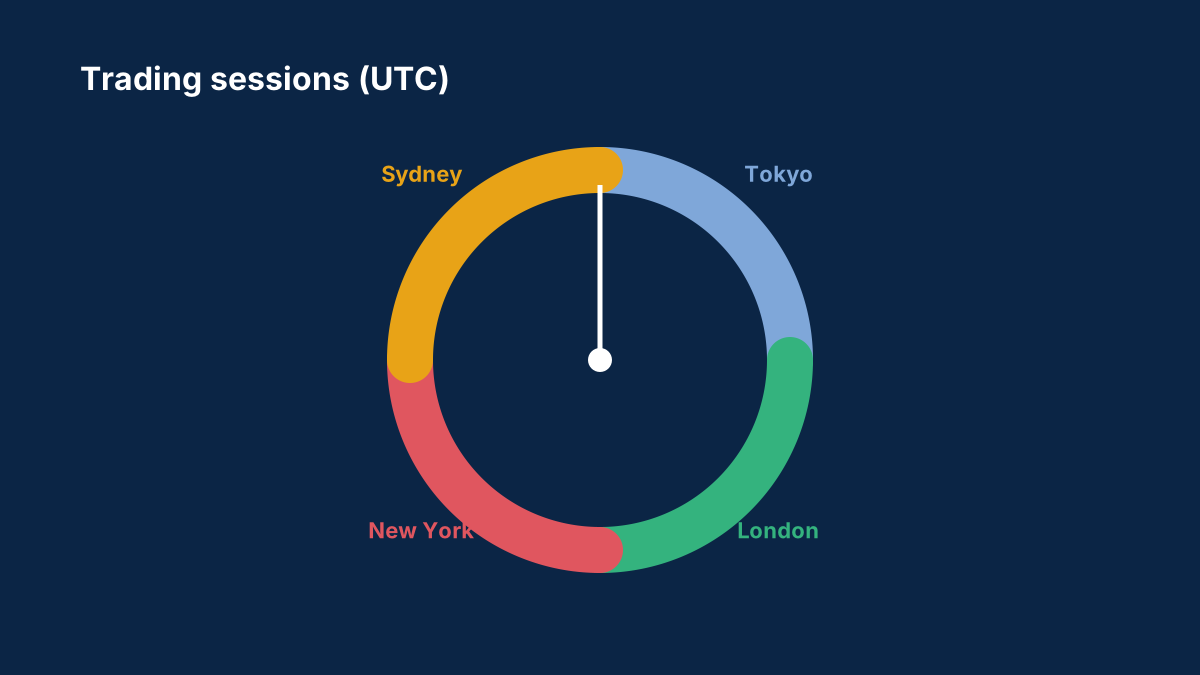
- What pattern surprised you most, for example by day of the week, time of day, pair, or position size?
- What did you change because of it, and did the pattern go away?
- What do you wish you had recorded from the start?
If you don't keep a journal, tell us what stops you. For many people it is the time it takes or the difficulty of being honest on paper, and other members may have found a way around it.
Please share your own experience, not general advice for others to copy. Posts that promise a direction or sell signals will be removed.
Background: How to keep a trading journal that actually improves your trading
A journal turns a pile of trades into evidence. What to record, the numbers worth calculating and a weekly review routine that takes less than an hour.
What should a trading journal include?
For each trade: the pair, direction, size, entry, stop, target, risk, the reason for the trade, how you felt, the result in money and in R, whether you followed your plan, and chart screenshots.
How do I calculate expectancy?
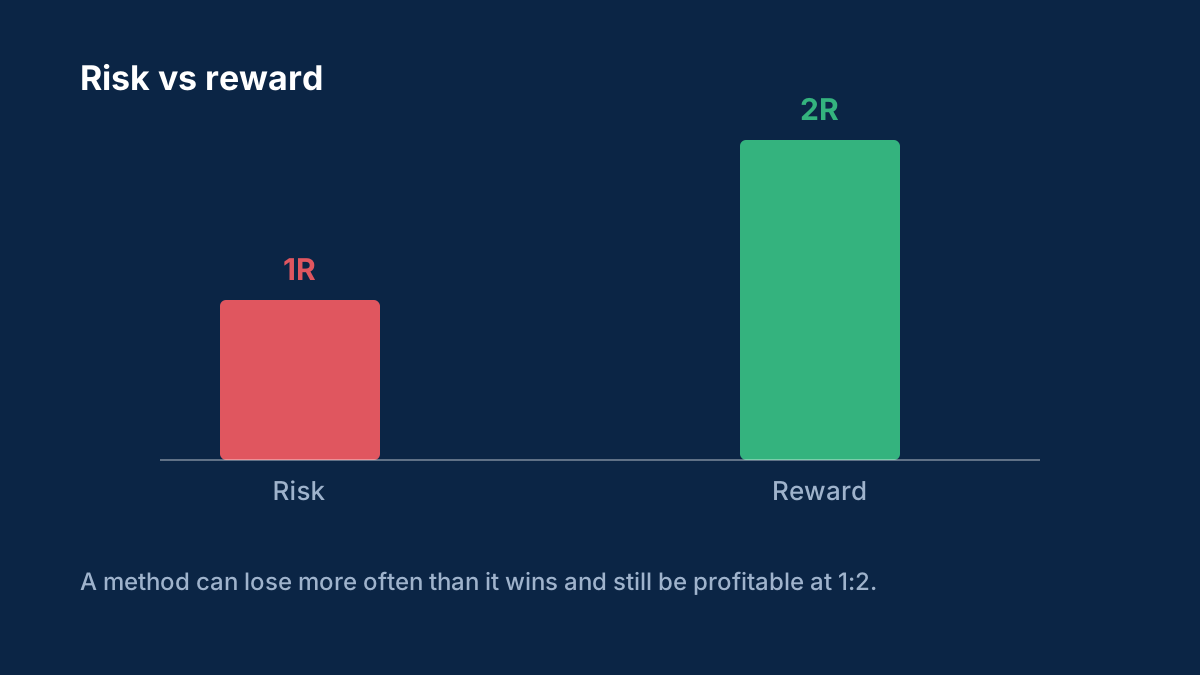
Multiply your win rate by your average win, then subtract your loss rate multiplied by your average loss. Measured in R, a positive result means the approach has made money per trade on average.
Comments
Log in to join the discussion. Comments follow the community guidelines.
Log in to commentLoading comments…