Stops beyond swing highs and lows: how much buffer do you leave?
Placing the stop just beyond the swing is the classic method — but "just beyond" means different things: a few pips, an ATR fraction, or past the wick with room for the spread.
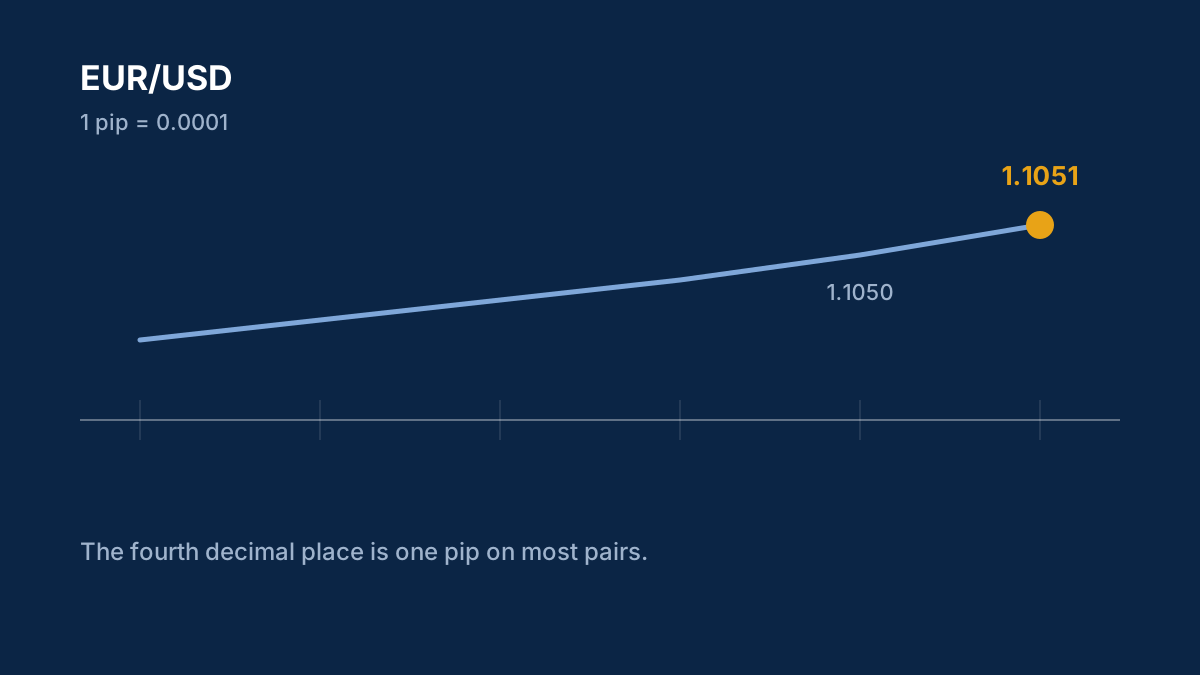
What's your buffer?
- how far beyond the swing your stop sits
- how the buffer varies by pair and time frame
- the stop that got clipped by a hair before reversing
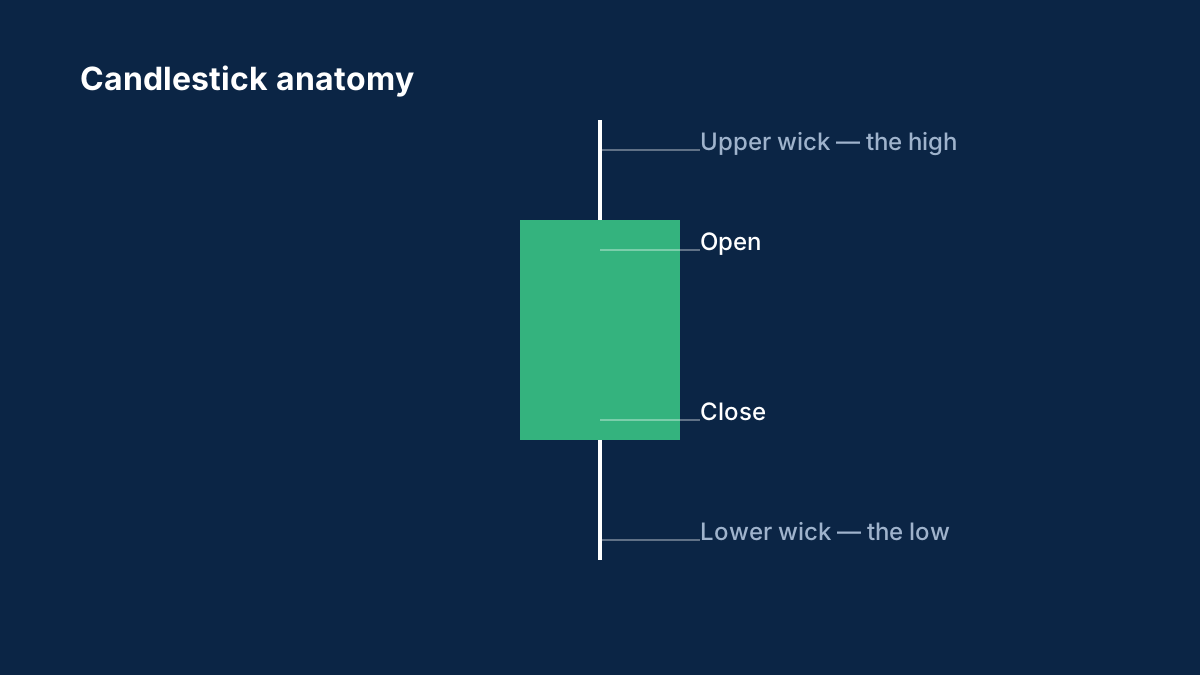
The stop-loss guide explains buffer logic.
Background: Where to place a stop-loss: structure, volatility and time stops
A stop-loss belongs where your trade idea is proven wrong, not at a round number of pips. Here are the main methods and the mistakes that trigger stops early.
How far away should a stop-loss be?
Far enough that normal price movement doesn't reach it, at the point where the reason for the trade would be proven wrong. The position size should then be set so that distance costs a fixed share of the account.
Why was my stop-loss hit when the chart didn't reach it?
Charts usually show the bid price, but sell positions are closed at the ask. When the spread widens, the ask can reach a sell stop while the bid line on the chart stays below it.
Comments
Log in to join the discussion. Comments follow the community guidelines.
Log in to commentLoading comments…