Pivot points: which flavour do you trade?
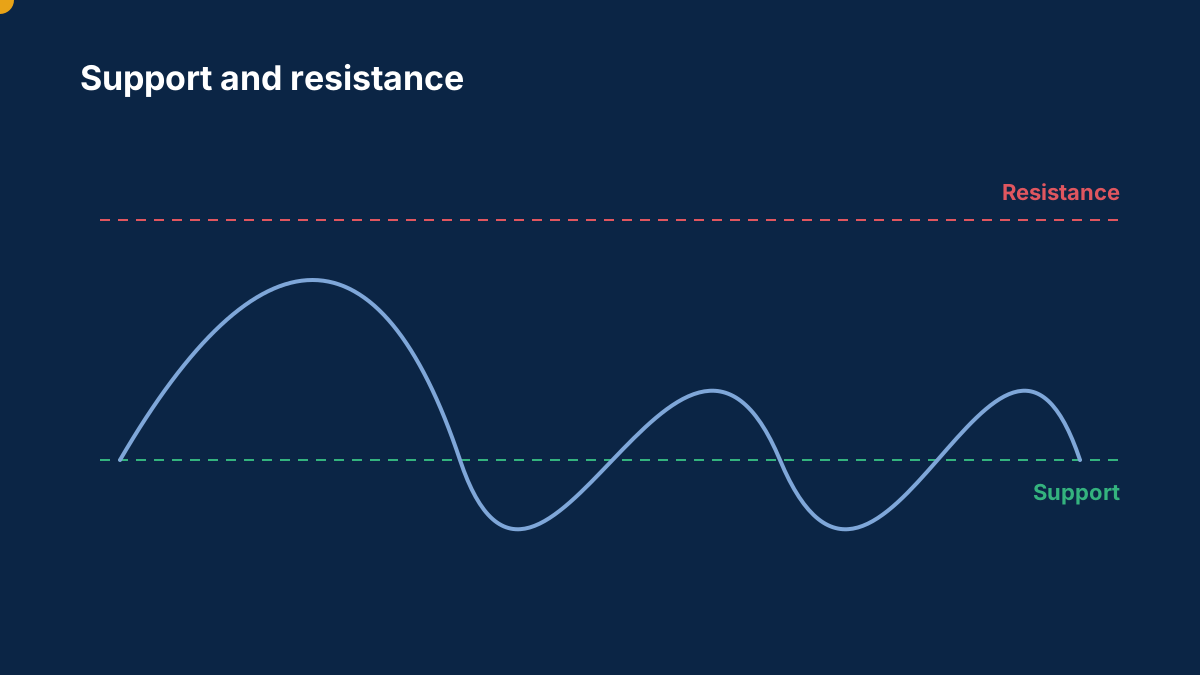
Classic, Fibonacci, Woodie or Camarilla — pivot points come in several formulas, all drawing levels from yesterday's high, low and close. Day traders watch them because so many other traders watch them.
Share:
- the pivot flavour you use and why
- which levels you treat as tradable
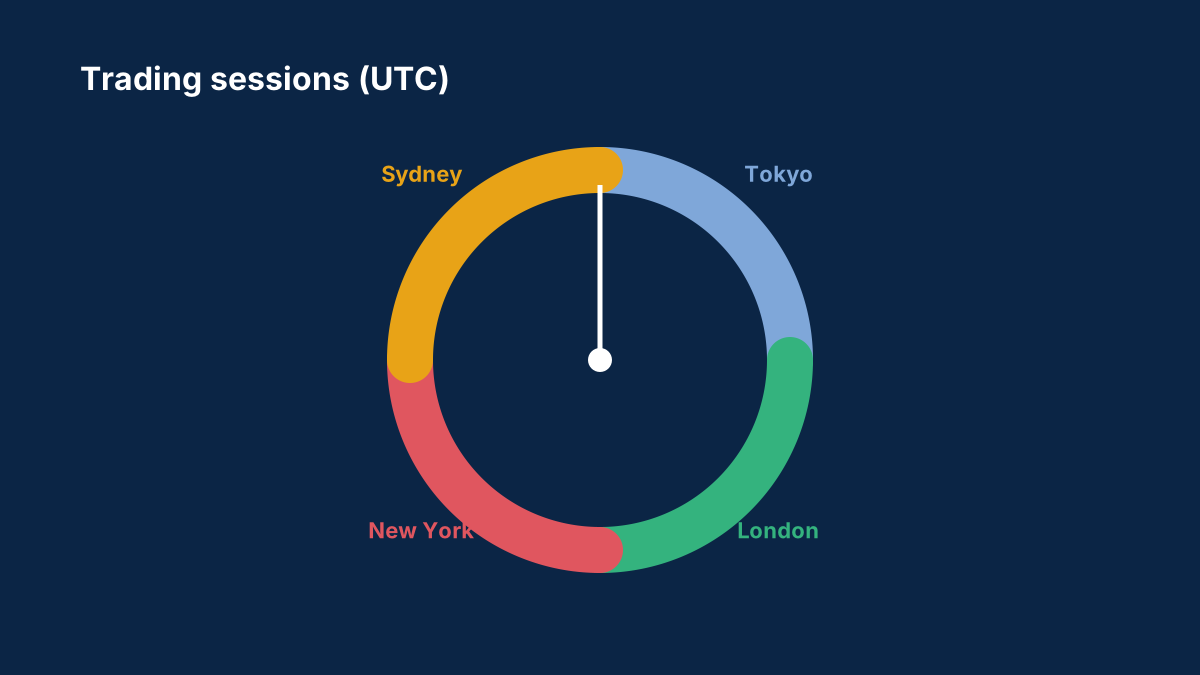
- how pivots interact with the session opens you trade
The pivot points guide compares the formulas and their levels.
Background: Pivot points explained: how to calculate daily pivot, support and resistance levels
Floor-trader pivot points turn yesterday's high, low and close into today's levels. Here are the formulas, a worked example and the choices forex traders need to make.
How do you calculate a pivot point?
Add the previous period's high, low and close and divide by three. R1 is twice the pivot minus the low, and S1 is twice the pivot minus the high.
Which close do forex traders use for daily pivots?
Most use the New York 5 p.m. close to define the trading day. Charts set to other time zones produce different highs, lows and closes, and so different levels.
Comments
Log in to join the discussion. Comments follow the community guidelines.
Log in to commentLoading comments…