Slippage in your backtests: how much do you assume?
Backtests fill every order at the exact price; reality doesn't. Adding a realistic slippage and spread assumption can turn a profitable backtest negative overnight — especially for news and open-of-session strategies.
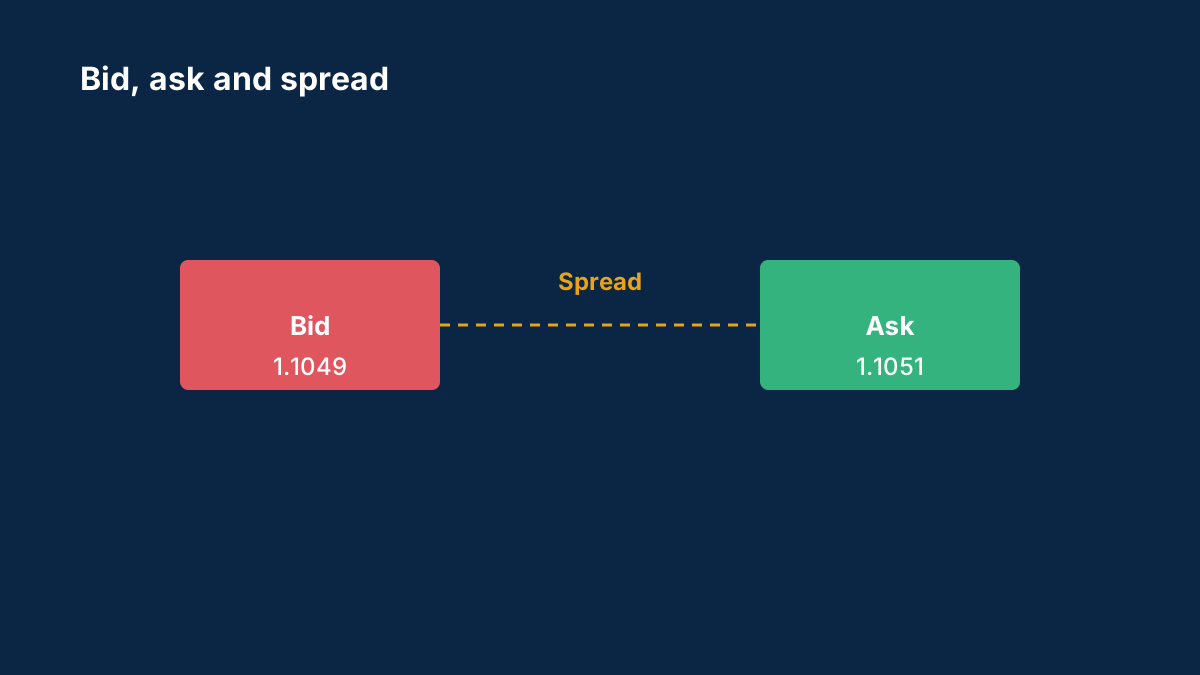
What do you assume?
- the slippage you model, and how you chose it
- how it changed your results
- the strategy class where slippage matters most
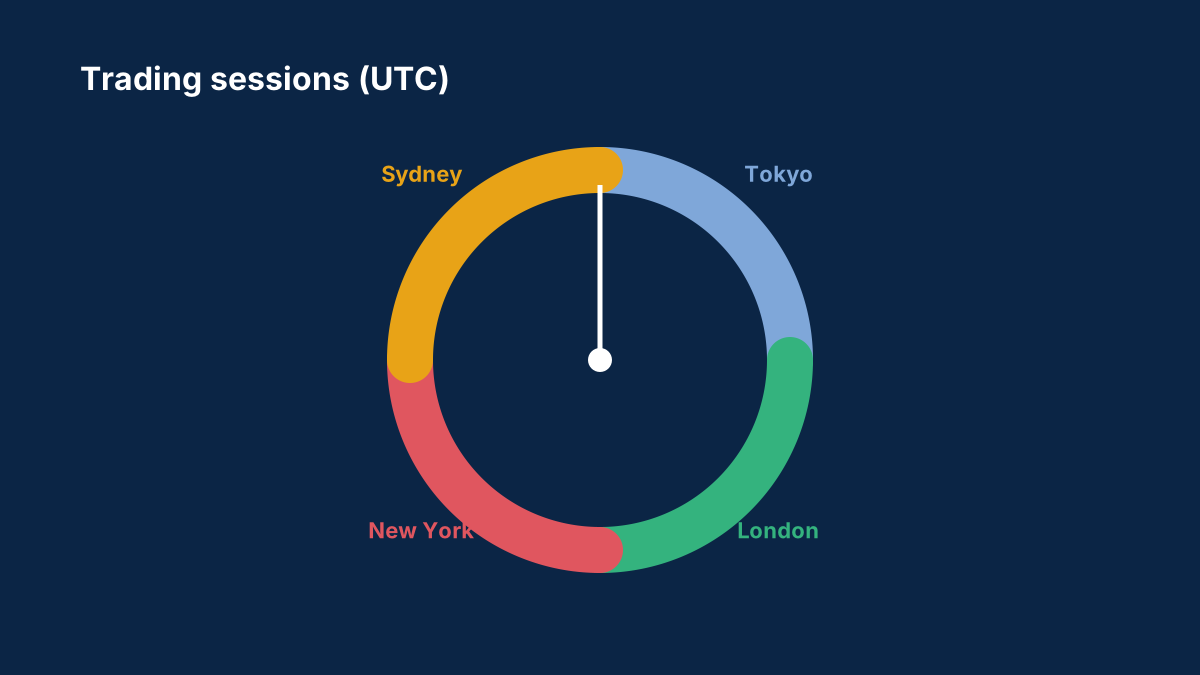
The bid, ask and slippage guide explains where the fills actually happen.
Background: Bid, ask and slippage: why your order fills at a different price
Why buy trades open at one price and close at another, why a stop can trigger when the chart never touched it, and how slippage happens.
Why did my stop-loss trigger when the price on the chart didn't reach it?
Charts usually show the bid price, but a sell position's stop is triggered by the ask. If the spread widened, the ask could have touched your stop while the bid line stayed away from it.
What is slippage?
The difference between the price you expected and the price your order was filled at. It is most common in fast or thin markets, such as around news releases.
Comments
Log in to join the discussion. Comments follow the community guidelines.
Log in to commentLoading comments…