A 0.1% retail move or a 0.4% fall: how big must a number be before you act?
Some data moves are small. Euro area retail volumes rose 0.1% in August, and UK retail volumes fell 0.4% in September (euro area report, UK report). Both are first estimates, and both can be revised.
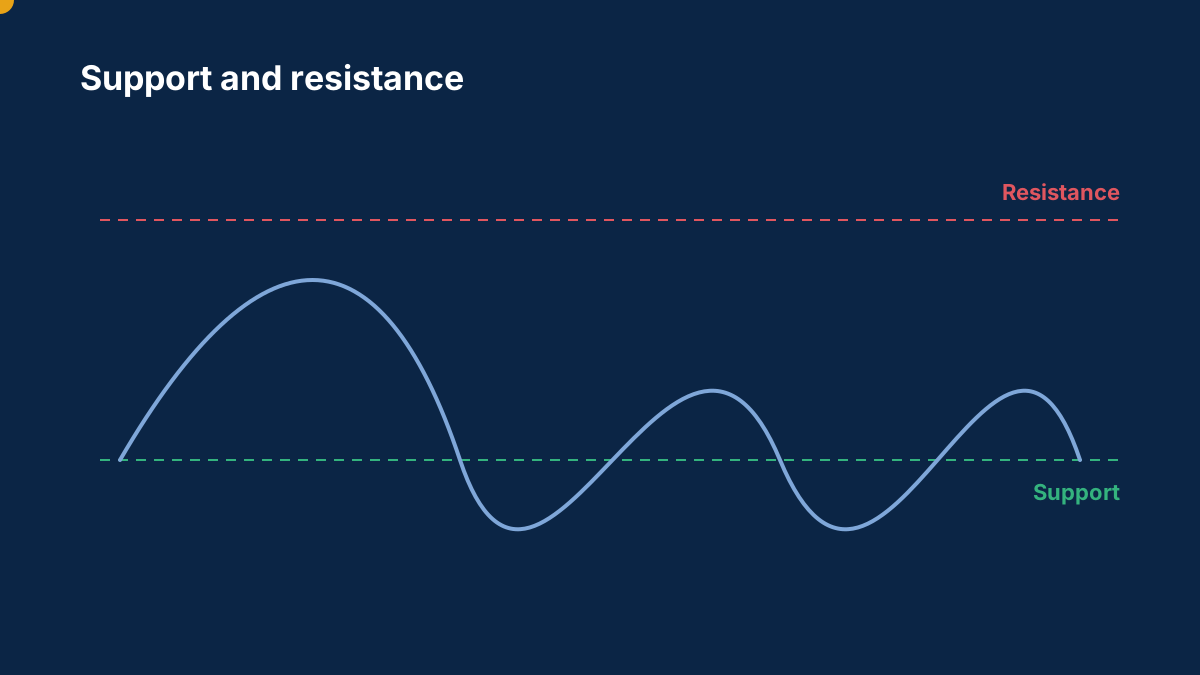
Traders often react to any number that differs from expectation, even when the difference sits inside the normal revision range. The question is how large a move has to be before it changes your plan, and whether you set that size before the release or after it. Both releases are first estimates, so the first figure is the one most likely to change when the next bulletin arrives, and that is worth knowing before you act on it.
We would like to hear how you set the threshold:
- Do you have a size of surprise that would make you act on a retail release?
- Do you use the revision history, or only the first estimate?
- What do you do when a small move is the only evidence you have?
- Have you traded a small move and regretted it? What did you change afterwards?
How to read an economic calendar explains the terms used in releases.
Please keep replies to your own experience. Posts that promise a direction or sell signals will be removed.
Background: How to read an economic calendar: actual, forecast, previous and impact
The economic calendar tells you when markets are likely to move. Here is what each column means and how traders use it to plan the week.
What does forecast mean on an economic calendar?
The median expectation of economists surveyed before the release. Markets usually price in the forecast, so prices react to the gap between the actual figure and the forecast.
What is a high-impact event?
A release that has historically caused large price moves, such as central bank decisions, CPI inflation and the US jobs report. Spreads often widen around them.
Comments
Log in to join the discussion. Comments follow the community guidelines.
Log in to commentLoading comments…