Yearly reviews: what did your year of trading teach you?
The yearly review sees what monthly reviews miss: the slow drift in size, the strategies quietly retired, the habits that formed without permission. It's the longest lens a trader owns.
What did your last year say?
- the numbers you're proud of or worried by
- the habits that changed without a decision
- the one change the year argues for
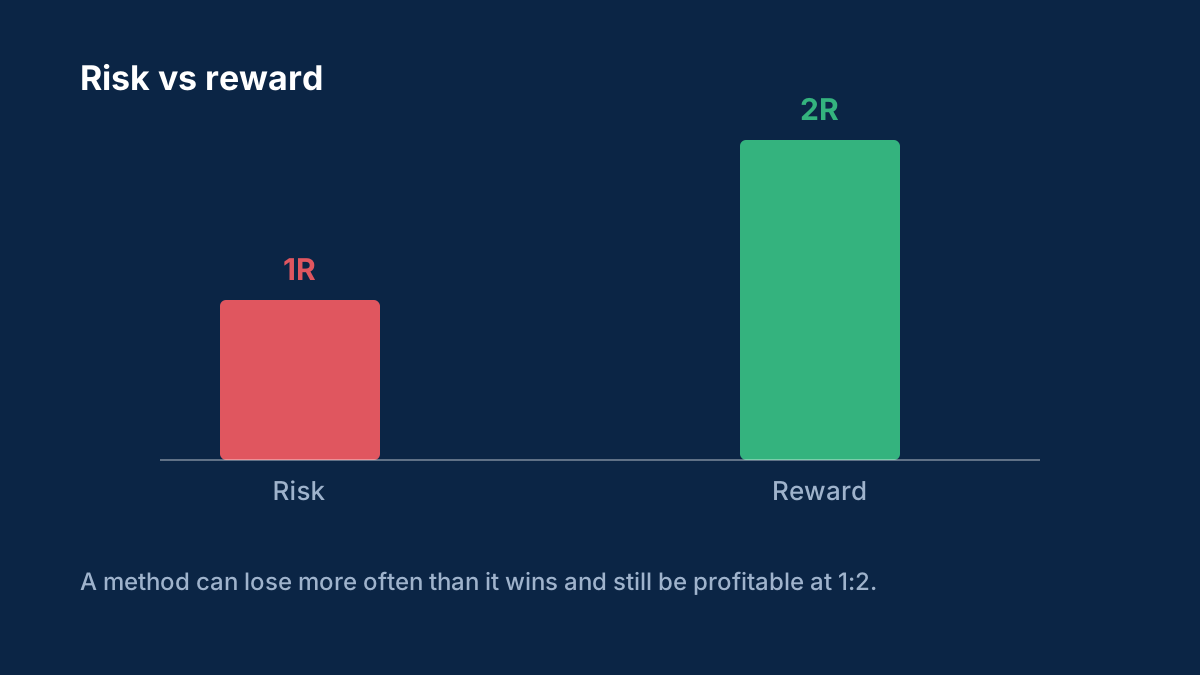
The journal guide makes a year of data possible.
Background: How to keep a trading journal that actually improves your trading
A journal turns a pile of trades into evidence. What to record, the numbers worth calculating and a weekly review routine that takes less than an hour.
What should a trading journal include?
For each trade: the pair, direction, size, entry, stop, target, risk, the reason for the trade, how you felt, the result in money and in R, whether you followed your plan, and chart screenshots.
How do I calculate expectancy?
Multiply your win rate by your average win, then subtract your loss rate multiplied by your average loss. Measured in R, a positive result means the approach has made money per trade on average.
Comments
Log in to join the discussion. Comments follow the community guidelines.
Log in to commentLoading comments…