What is a stop-out level, and how do you find yours?
Below the margin-call warning sits the stop-out level, where the broker starts closing your positions automatically — usually the worst-positioned one first. The level is set by the broker and listed in the contract specifications.
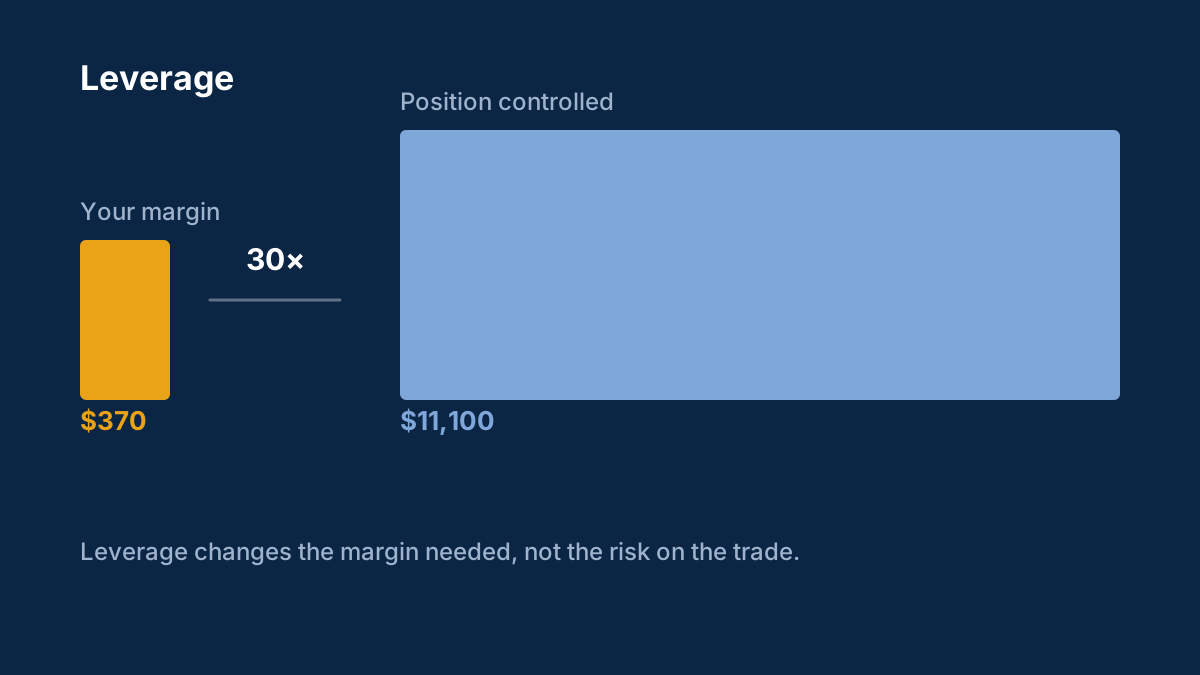
Find yours and share:
- your broker's stop-out level (often 50% or 20%)
- whether you'd ever hit it, and what closed first
- how you keep margin level comfortably above it
The margin guide explains the sequence warning → stop-out.
Background: Leverage and margin explained: margin calls, stop-outs and how losses grow
Leverage lets you control a large position with a small deposit. It magnifies losses exactly as much as gains, and it is behind most blown trading accounts.
What does 30:1 leverage mean?
You can control a position 30 times larger than your margin deposit. $1,000 of margin opens a $30,000 position, and gains and losses are calculated on the full $30,000.
What is a margin call?
A warning from your broker that losses have reduced your margin level to a set threshold. If it keeps falling, the broker starts closing positions automatically, which is called a stop-out.
Comments
Log in to join the discussion. Comments follow the community guidelines.
Log in to commentLoading comments…