What is a reference rate, and why does the ECB publish one every working day? Explain it simply
The European Central Bank publishes a euro reference rate for a set list of currencies each working day. For example, its euro-sterling reference rate was 0.8377 on 22 October (EUR/GBP report). It is one price, set at one time, which makes it a fixed point to compare against over months and years.
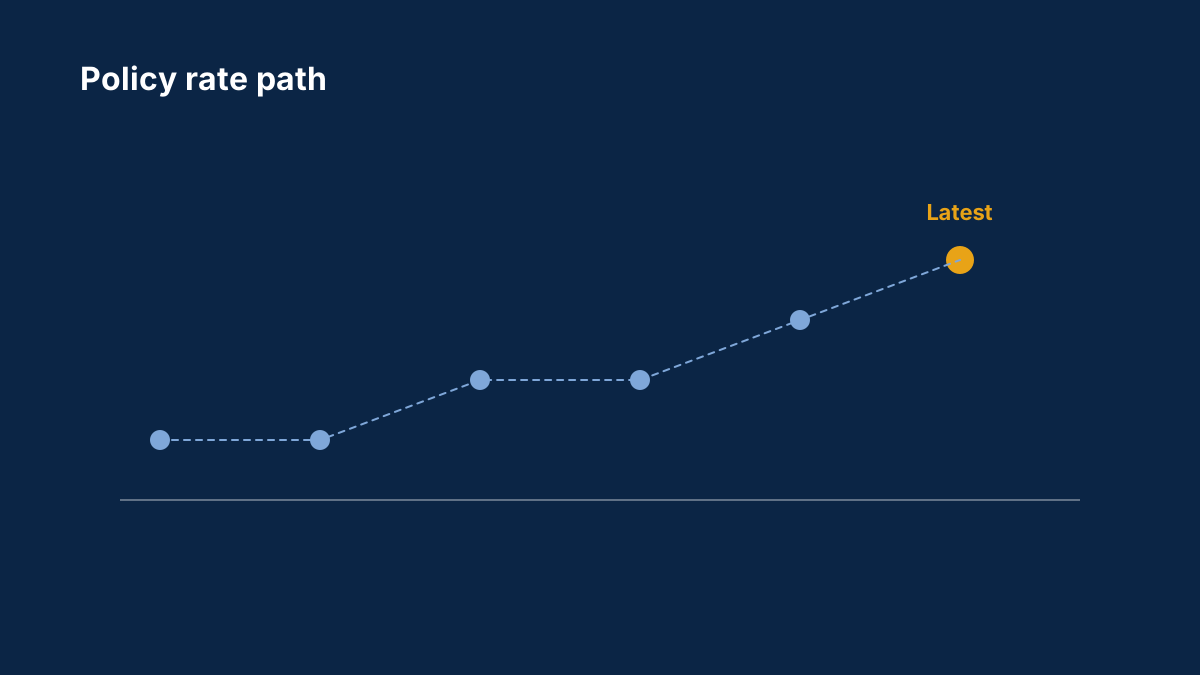
It is useful for checking a quote, for historical comparison and for reading the trend. It is not the price you would have received on a trade at another time of the day, because markets move through the day. The fixing is also published once and not revised, which makes it a useful record for checking a past date.
We would like the friendliest explanation in the community:
- How would you explain a reference rate to someone who only uses a phone app?
- When do you use an official rate, and when do you use a live price?
- Have you ever used the ECB series to check a broker's price?
- Which official source did you learn first, and how did it help?
How to trade EUR/USD is a good next read for a beginner.
Please keep replies friendly and practical. Posts that promise a direction or sell signals will be removed.
Background: How to trade EUR/USD: the complete beginner's guide
EUR/USD is the most traded currency pair in the world, with the tightest spreads and the deepest liquidity. Here is what moves it, when it moves, and how to build a trading plan around it.
What is the best time to trade EUR/USD?
The London open and the London-New York overlap are the pair's most liquid, most tradeable hours. Asian hours are typically quiet and range-bound, and US data releases can move the pair sharply at any time of day.
Is EUR/USD good for beginners?
Yes. It has the tightest spreads, the deepest liquidity and the most available analysis of any pair. Beginners should still start on demo and size positions by risk rather than conviction.
Comments
Log in to join the discussion. Comments follow the community guidelines.
Log in to commentLoading comments…