What does strategy switching cost you psychologically?
Switching strategies feels like progress and usually isn't: the new one arrives untested, the old one's lessons are abandoned, and the switch itself often masks an emotional reaction to a loss.
What's your history?
- how many strategies you've cycled through
- the emotion that usually triggers a switch
- how you broke the cycle
The expectancy guide argues for earning the sample before judging.
Background: Risk-reward ratio, win rate and expectancy: the maths behind a trading edge
A high win rate can still lose money. See how win rate and risk-reward combine into expectancy, with break-even win rates and worked examples.
What is a good risk-reward ratio in forex?
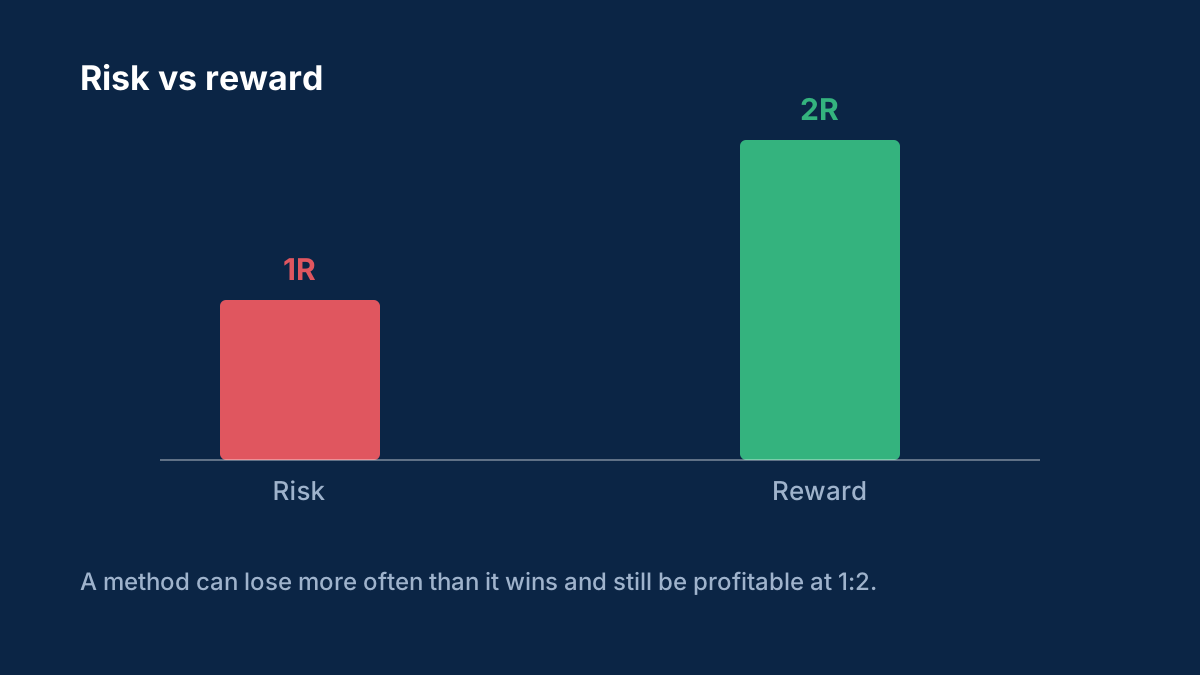
There isn't one right ratio. What matters is expectancy, the win rate and ratio together. A 1:2 ratio breaks even at about 33% winners before costs, while a 1:1 ratio needs 50%.
How do you calculate trading expectancy?
Multiply the win rate by the average win and subtract the loss rate multiplied by the average loss. Measuring wins and losses in multiples of the amount risked (R) makes the result easy to compare.
Comments
Log in to join the discussion. Comments follow the community guidelines.
Log in to commentLoading comments…