Slippage experiences: good and bad
Slippage isn't always against you — positive slippage exists, and the ratio of good to bad tells you something about the execution. The honest stories are the useful ones.
Share:
- the broker, the event and the order type
- the requested price and the fill
- whether you've seen positive slippage
The bid, ask and slippage guide explains when slippage is normal.
Background: Bid, ask and slippage: why your order fills at a different price
Why buy trades open at one price and close at another, why a stop can trigger when the chart never touched it, and how slippage happens.
Why did my stop-loss trigger when the price on the chart didn't reach it?
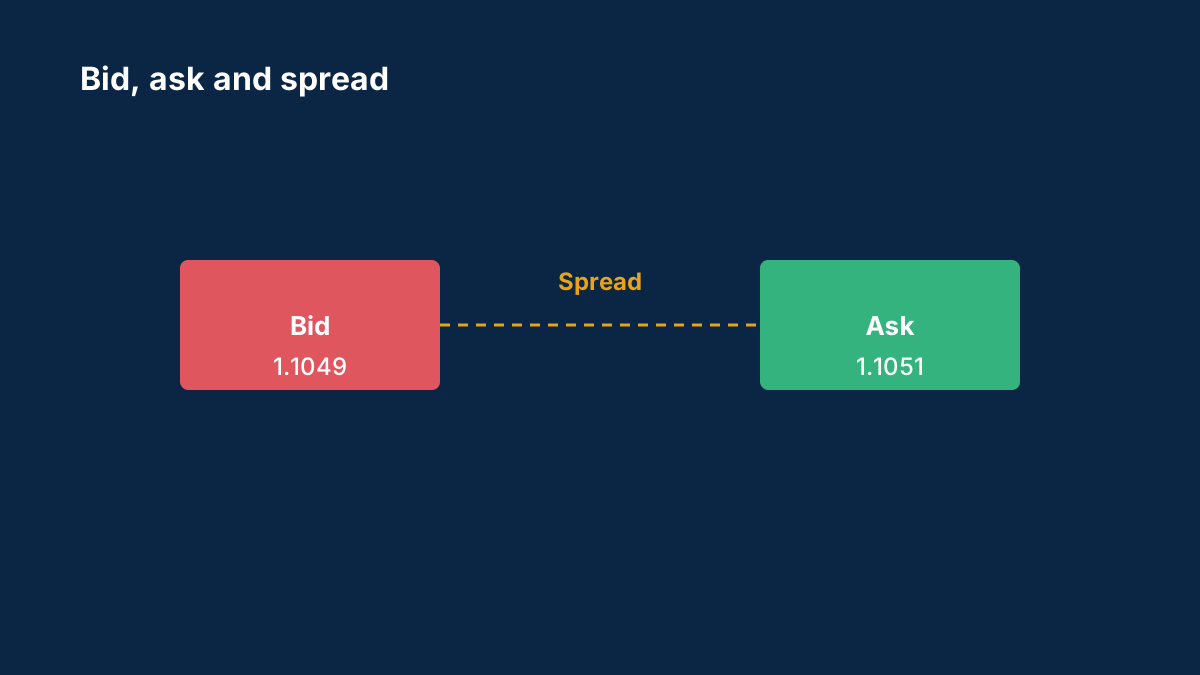
Charts usually show the bid price, but a sell position's stop is triggered by the ask. If the spread widened, the ask could have touched your stop while the bid line stayed away from it.
What is slippage?
The difference between the price you expected and the price your order was filled at. It is most common in fast or thin markets, such as around news releases.
Comments
Log in to join the discussion. Comments follow the community guidelines.
Log in to commentLoading comments…